Unlocking Remote Accounting Roles for Financial Professionals: A Guide to Virtual Careers
Fast Facts:
- Global demand for remote work is soaring.
- Digital transformation for financial professionals continues to accelerate.
Embracing Flexibility: The Rise of Remote Accounting Roles for Financial Professionals
The landscape of professional work is undergoing a seismic shift, particularly within the financial sector. For financial professionals, the opportunity to transition into remote accounting roles is more prevalent than ever before, offering unparalleled flexibility and access to a global talent pool. This comprehensive guide explores the burgeoning world of virtual accounting, detailing the skills, tools, and strategies necessary to thrive in this dynamic environment.
The Evolving Landscape of Remote Accounting Roles
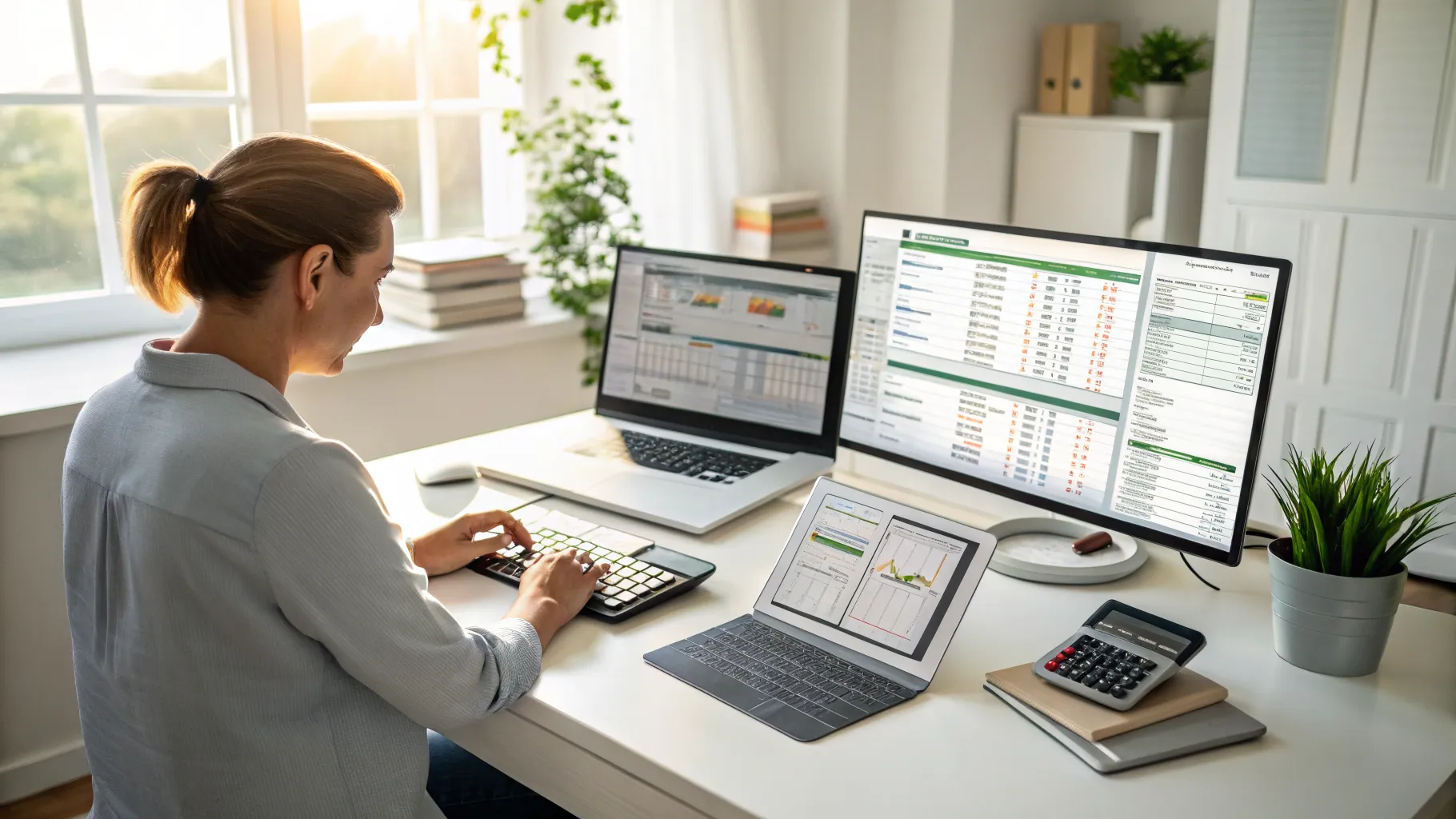
The advent of advanced digital tools and secure cloud platforms has fundamentally reshaped the accounting profession, paving the way for a dramatic increase in remote accounting roles. Traditionally office-bound, modern accounting now leverages technology to enable seamless collaboration and efficient workflow management from any location. This evolution benefits both employers, who gain access to a wider talent pool and reduced overheads, and financial professionals, who can achieve better work-life integration. The demand for specialized skills in areas like data analytics, cybersecurity, and regulatory compliance within a remote framework continues to grow, emphasizing the need for continuous professional development. Firms are increasingly seeking experts who can manage complex financial operations and provide strategic insights from a distributed setting, making virtual accounting careers a highly attractive and viable option for many.
Key Skills and Technologies for Virtual Accounting Careers
To excel in virtual accounting careers, financial professionals must cultivate a specific set of skills and become proficient in various technologies. Beyond traditional accounting expertise, strong communication, self-discipline, and time management are paramount. Proficiency with cloud accounting software like QuickBooks Online, Xero, and Sage Intacct is non-negotiable, as these platforms form the backbone of remote operations. Furthermore, familiarity with project management tools (e.g., Asana, Trello), secure file-sharing solutions (e.g., SharePoint, Google Drive), and video conferencing platforms (e.g., Zoom, Microsoft Teams) is essential for effective collaboration. Understanding data visualization tools and automated reporting systems also provides a significant competitive edge, allowing professionals in work-from-home accounting roles to deliver high-value insights efficiently. Adapting to new technologies quickly and continuously learning are hallmarks of successful remote accounting jobs.
Navigating the Advantages and Challenges of Work-from-Home Accounting
Work-from-home accounting presents a myriad of advantages, including increased flexibility, elimination of commute times, and often a better work-life balance, which can lead to higher job satisfaction for financial professionals. The ability to work from anywhere also opens up opportunities to engage with clients and employers across different geographies, expanding professional networks. However, it also comes with its own set of challenges that require proactive management. Maintaining clear boundaries between personal and professional life, combating potential feelings of isolation, and ensuring robust cybersecurity measures are critical considerations. Effective communication strategies, regular check-ins with teams, and dedicated home office setups are vital for overcoming these hurdles and maximizing productivity in remote accounting roles. Organizations must also invest in strong IT support and create a culture that supports distributed teams to ensure the success of their virtual accounting careers.
Actionable Strategies for Securing Your Next Remote Accounting Position
For financial professionals aspiring to transition into remote accounting roles, a strategic approach is key. The following actions will significantly enhance your prospects:
Refine Your Digital Skillset:
Invest time in mastering cloud accounting software and data analytics tools. Online courses, certifications, and hands-on projects demonstrate your readiness for modern work-from-home accounting environments. Highlighting proficiency in tools like advanced Excel, Tableau, or Power BI can make your application stand out. Focus on practical application rather than just theoretical knowledge.
Optimize Your Professional Online Presence:
Ensure your LinkedIn profile and resume prominently feature your experience with remote work tools and highlight successful remote projects. Network actively with recruiters and hiring managers who specialize in placing financial professionals in remote accounting jobs. Tailor your applications to specifically address the remote nature of the role.
Build a Strong Portfolio:
Showcase past projects, case studies, or even volunteer work that demonstrates your ability to manage financial tasks independently and effectively in a virtual setting. Quantify your achievements wherever possible, emphasizing efficiency gains or cost savings. A well-curated portfolio can speak volumes about your capabilities for virtual accounting careers.
Prepare for Virtual Interviews:
Practice interviewing via video conferencing platforms. Ensure your home office setup is professional, with good lighting and a quiet background. Be ready to discuss how you manage time, stay motivated, and communicate effectively in a remote team. Emphasize your problem-solving skills and adaptability.
Frequently Asked Questions
What types of remote accounting roles are most in demand for financial professionals?
Currently, high demand exists for roles such as remote staff accountants, senior accountants, financial analysts, tax preparers, and auditors. Specialized areas like forensic accounting and compliance are also increasingly offering remote accounting jobs, reflecting the growing complexity of virtual financial operations and the need for adaptable financial professionals.
How can financial professionals ensure data security while working in virtual accounting careers?
Ensuring data security in virtual accounting careers is paramount. This involves using secure VPNs, strong, unique passwords, multi-factor authentication, and keeping all software updated. Adhering strictly to company data protection policies and being aware of phishing scams are also critical. Implementing regular data backups and encrypting sensitive files provides additional layers of protection for work-from-home accounting setups.
What are the best cloud accounting platforms for remote accounting roles?
The leading cloud accounting platforms widely used in remote accounting roles include QuickBooks Online, Xero, and Sage Intacct. Each offers a comprehensive suite of features for bookkeeping, invoicing, expense tracking, and financial reporting, making them indispensable for modern financial professionals working remotely. The choice often depends on the size and specific needs of the client or organization.
References
- Industry Reports on Remote Work Trends in Finance.
- Publications on Cloud Accounting Software Adoption.
- Professional Organizations' Guidelines for Virtual Financial Operations.
- Studies on Workforce Flexibility and Productivity.
Authored by MyTrendSpot team