Ex-Military Dump Trucks: A Technical Analysis of Surplus Heavy Logistics Equipment
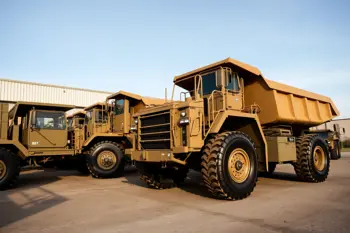
Ex-military dump trucks represent a specialized category of heavy-duty vehicles designed to withstand extreme operational environments while maintaining significant payload capacities. These machines are frequently phased out of active duty during large-scale modernization programs, such as the initiative to replace aging M917 models with the modernized M917A3 Heavy Dump Truck (HDT) platform 3. Unlike standard commercial units, these vehicles are engineered for tactical logistics, featuring all-wheel drive and reinforced chassis that allow them to operate in rugged terrains where civilian counterparts may lack sufficient mobility 5.
The transition of these vehicles from government service to the civilian market provides an opportunity for various sectors, including construction, forestry, and disaster recovery. Because these trucks are built to satisfy demanding military specifications, they often feature advanced suspension systems and, in some variants, cab armor designed for protection in combat zones 3. Understanding the mechanical provenance and the regulatory requirements for registration is essential for any operator considering the integration of surplus military hardware into a commercial or private fleet 14.
Technical Specifications of Modernized Tactical Haulers
The Mack Defense M917A3 serves as a primary example of the modern heavy dump truck currently being integrated into military logistics. Built upon the Mack Granite commercial platform, these trucks have been tailored specifically to meet rigorous tactical standards, featuring an 8x8 configuration that enhances stability and power delivery 5. These vehicles are capable of transporting up to 27 tons of material, making them essential for the construction and maintenance of airfields, roadways, and supply facilities during active operations 5.
| Feature | M917A3 Specifications |
|---|---|
| Payload Capacity | Up to 27 Tons 3 |
| Drive Configuration | 8x8 All-Wheel Drive 5 |
| Chassis Type | Reinforced Heavy Duty 7 |
| Operational Roles | Base Development and Recovery 7 |
Furthermore, the military has invested significantly in ensuring these trucks possess digital controls and improved off-road performance to standardize logistics across different force branches 3. Recent contracts indicate that the production of these modernized units is supported by extensive US-based manufacturing networks to ensure consistent delivery and ongoing maintenance 7. For civilian buyers, these technical enhancements translate into a robust machine capable of performing large-scale hauling tasks in environments that would typically cause mechanical fatigue in standard trucks 5.
Acquisition Channels and Auction Market Dynamics
Acquiring ex-military dump trucks typically involves navigating government surplus auction platforms such as GSA Sales, the Defense Logistics Agency (DLA), or specialized online marketplaces like GovPlanet 14. These platforms allow for real-time bidding on vehicles that have reached their end-of-service life or were designated as excess inventory. For example, recent market activity showed a Stewart and Stevenson M1079 military truck with a van body being sold for approximately $13,000, despite having been stationary for over a decade 2.
Potential buyers often find that mileage can be a deceptive metric in the surplus market. In one documented case, a truck thought to have 5,000 miles actually displayed only 553 miles on its odometer, indicating the engine was practically brand new despite years of storage 2. Prices for more modern international units, such as the Shacman SX2190 6x6 off-road retired dumper, have been observed at approximately $16,800 6. These prices fluctuate based on the specific variant, mechanical condition, and the presence of documentation required for civilian registration 14.
Restoration Realities and Mechanical Preservation
Restoring a surplus military truck requires a comprehensive assessment of its mechanical components, particularly if the vehicle has sat idle in long-term storage. A critical issue often encountered is the degradation of rubber components, where fuel lines and seals can suffer from severe dry rot, leading to significant diesel leaks during the first attempt to start the engine 2. Accessing the engine compartment in cab-over designs, such as the Stewart and Stevenson models, may require manual hydraulic pumps if the onboard air systems are non-functional 2.
The engines found in these vehicles are often high-performance diesel units from manufacturers like Caterpillar, such as the Cat 3116, which may still retain its factory paint and primary filters if the vehicle has low operational hours 2. Maintaining these systems requires adherence to specific technical manuals and safety protocols. Beyond the engine, hydraulics for the dump bed and the steering systems must be inspected for seizure or fluid contamination, as sitting for thirteen years or more can exact a heavy toll on moving parts and seals 2.
International Variants and Regional Fleet Comparisons
The global market for retired military trucks includes various models tailored to specific national requirements. In the United Kingdom, the British Army utilized the Scammell Commander for two decades before replacing it with the Oshkosh 1070F Heavy Equipment Transporter (HET) to accommodate the 72-tonne Challenger 2 tank 4. The 1070F features a Caterpillar C-18 700-horsepower diesel engine and an Allison HD 4076P seven-speed automatic transmission, capable of moving 118 tonnes at speeds of up to 80 km/h on tarmac 4.
- Oshkosh 1070F: Features a six-seat steel cab and twin 24.9-tonne winches 4.
- Shacman SX2190: A 6x6 off-road retired dump truck often exported from China 6.
- MAN 4x4: Frequently used for specialist tanker and cargo roles in European fleets 1.
- Rheinmetall MAN HX81: A German comparison to heavy US transporters 4.
Each of these models presents different challenges for civilian adaptation. The Shacman SX2190, for instance, is often marketed with a 12-month warranty by international resellers, while older European models like the Scammell Commander were retired due to exceeding trailer ratings and failing to meet newer emission regulations 4. These international variations highlight the diversity of the surplus market, where buyers can choose between highly specialized transporters and more versatile cargo or dump configurations 6.
Operational Risks and Regulatory Compliance
Operating ex-military dump trucks in a civilian capacity involves significant overhead and regulatory friction. Fuel consumption is a primary concern, as the large displacement diesel engines required to move heavy armor and payloads typically achieve only 5 to 8 miles per gallon 14. Additionally, the maintenance costs for these vehicles can be higher than those for standard civilian trucks due to the need for specialized parts and the wear associated with their previous military service history 14.
Registration and licensing requirements are another major hurdle, as laws vary significantly across different regions. Some jurisdictions may only allow these vehicles to be designated for off-road use, while others require extensive modifications to meet safety and emission standards for full road legality 14. Furthermore, the Department of Defense and other federal agencies require strict compliance with demilitarization and disposal rules before any equipment is released for public sale, ensuring that sensitive tactical features are removed or neutralized prior to the transfer of ownership 14.
Sources
- exarmyuk.com
- autos.yahoo.com
- thedefensepost.com
- military-stuff.org
- news.ssbcrack.com
- autoline.dk
- news.ssbcrack.com (US Army Orders)
- General Research Data
Authored by MyTrendSpot team