Unpacking the 7 Most Complex Medical Procedures and Their Healing Durations
Fast Facts:
- Minimally invasive techniques are transforming many complex surgeries.
- Advances in critical care have significantly improved outcomes for patients undergoing intensive procedures.
Navigating the Intricacies of Complex Medical Procedures
Understanding the landscape of complex medical procedures is crucial for both patients and healthcare professionals. These highly specialized interventions often involve significant risks, demand advanced surgical skills, and necessitate extensive healing durations. From intricate organ transplants to delicate neurosurgeries, each procedure presents a unique set of challenges and requires a comprehensive approach to post-operative care to ensure successful recovery and minimize complications. This article delves into seven of the most demanding surgical interventions, shedding light on their complexities, typical recovery timelines, and the dedicated support systems essential for patient well-being during the critical phases of surgical recovery.
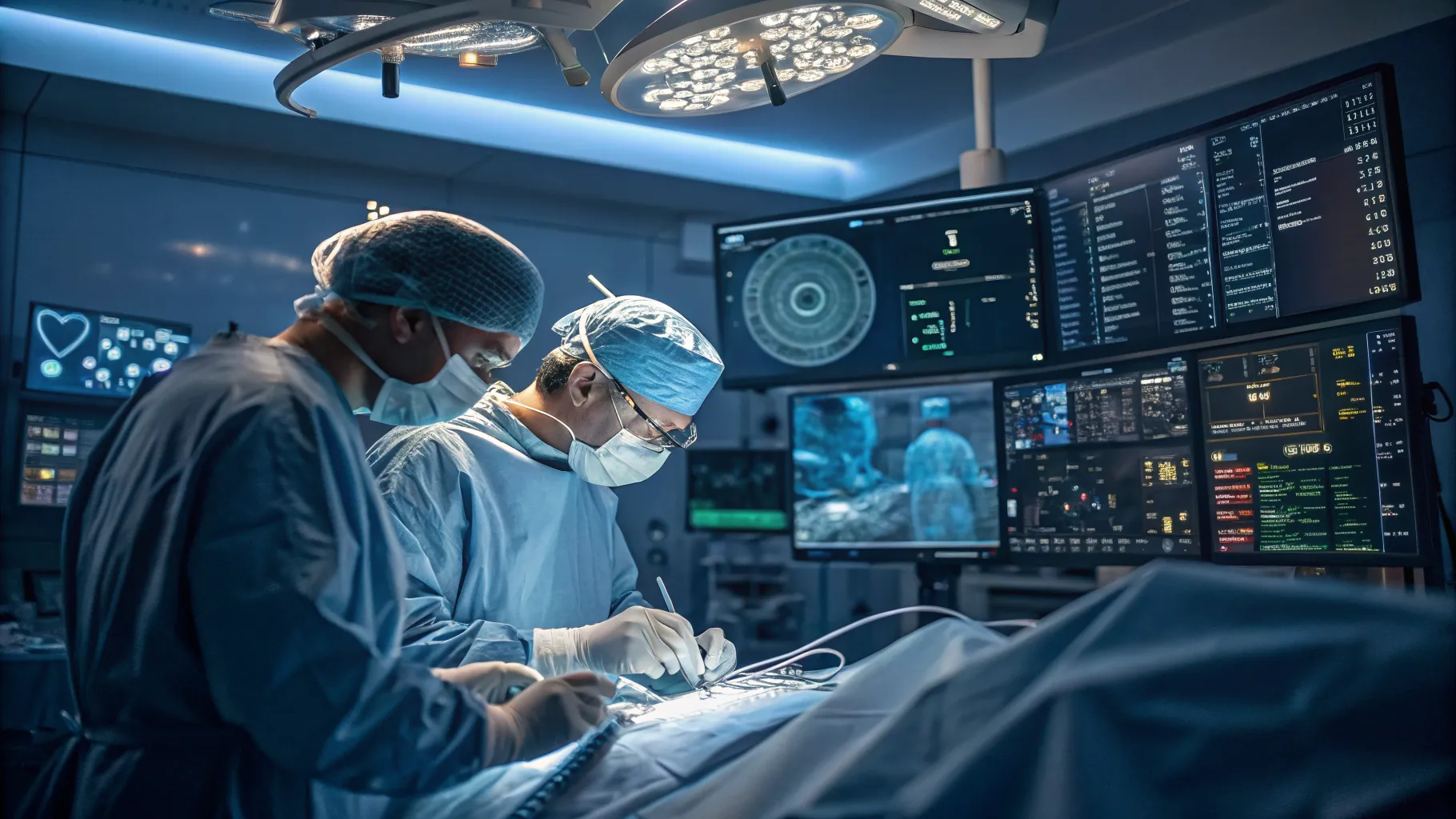
Understanding the Seven Pillars of Surgical Complexity
The world of medicine constantly pushes boundaries, yet some procedures remain at the pinnacle of surgical difficulty due to their anatomical challenges, physiological impact, and the sheer precision required. These interventions are often life-saving but come with prolonged healing durations and intensive post-operative care protocols. Patients undergoing these operations require robust support systems and a clear understanding of the recovery journey ahead.
1. Heart Transplant
A heart transplant is one of the most demanding critical surgeries, involving the replacement of a diseased heart with a healthy one from a deceased donor. The complexity stems from the precise surgical anastomosis of major blood vessels and the intense immunosuppression required to prevent rejection. The initial hospital stay can last several weeks, followed by a demanding period of outpatient rehabilitation. Full healing durations can extend for several months to a year, with lifelong medication and close monitoring essential for managing rejection and infection risks. The immediate surgical recovery phase is characterized by intensive care, followed by a gradual increase in activity, demanding immense resilience from patients.
2. Lung Transplant
Similar to heart transplants, lung transplants are highly complex due to the delicate nature of lung tissue, the high risk of infection, and the challenge of matching donor organs. Both single and double lung transplants are performed, with the latter being more intricate. Patients face significant challenges in the immediate post-operative care period, often requiring mechanical ventilation. Healing durations typically range from three to six months for initial recovery, but continuous vigilance against rejection and opportunistic infections is paramount, making long-term care a defining feature of this complex medical procedure.
3. Pancreaticoduodenectomy (Whipple Procedure)
The Whipple procedure is a formidable operation primarily used to treat pancreatic cancer. It involves the removal of the head of the pancreas, the duodenum, a portion of the bile duct, the gallbladder, and sometimes part of the stomach. The reconstruction phase, where remaining organs are reconnected, is incredibly intricate, leading to a high risk of complications such as leaks and infections. Hospital stays are usually 1-2 weeks, but full surgical recovery and restoration of normal digestive function can take several months. Patients often experience significant changes in diet and digestion, necessitating long-term dietary management and vigilant post-operative care.
4. Brain Aneurysm Repair
Repairing a brain aneurysm, especially if ruptured, is an extremely delicate and high-stakes critical surgery. Approaches include microsurgical clipping or endovascular coiling, both requiring profound neurosurgical expertise. The complexity lies in working within the confines of the skull, minimizing damage to surrounding brain tissue, and managing potential bleeding or vasospasm. Healing durations vary widely depending on the aneurysm's location, size, and whether it ruptured, ranging from a few weeks for uncomplicated cases to several months or even years for patients with neurological deficits requiring extensive rehabilitation. Intensive monitoring is crucial during the initial post-operative care phase.
5. Esophagectomy
An esophagectomy involves the removal of part or all of the esophagus, usually for esophageal cancer, and then reconstructing a new food pipe from a part of the stomach or intestine. This procedure often requires incisions in both the abdomen and chest or neck, making it a highly invasive and complex operation with significant potential for complications like anastomotic leaks, pneumonia, and nutritional deficiencies. The hospital stay can be 2-3 weeks, with full healing durations for swallowing and digestion taking 3-6 months. Comprehensive nutritional support and careful post-operative care are vital for successful recovery from this extensive complex medical procedure.
6. Separation of Conjoined Twins
While rare, the separation of conjoined twins is arguably one of the most intricate and ethically challenging complex medical procedures. Each case is unique, depending on which organs the twins share and how extensively they are fused. These surgeries often involve multiple surgical teams, extensive pre-operative planning, and marathon operating times. The healing durations and surgical recovery pathways are highly individualized and can extend over many months or years, often requiring further reconstructive surgeries and intensive rehabilitative and post-operative care for both children. The complexity is compounded by the emotional and developmental needs of the infants.
7. Spinal Fusion for Severe Scoliosis Correction
Correcting severe scoliosis through spinal fusion is a major orthopedic critical surgery. It involves placing metal rods, hooks, wires, or screws to correct the spinal curvature and then fusing the vertebrae together with bone grafts. The complexity lies in the precise instrumentation, the large area of surgery, the risk to the spinal cord, and the significant blood loss often encountered. Healing durations for bone fusion can take 6-12 months, during which patients must limit activity, often wear a brace, and undergo extensive physical therapy. The immediate post-operative care involves pain management and mobility restoration, making for a challenging surgical recovery period.
The Critical Role of Post-Operative Care in Healing Durations
For all complex medical procedures, the period immediately following surgery, known as post-operative care, is as crucial as the surgery itself. This phase directly influences the overall healing durations and the long-term success of the intervention. Intensive care units (ICUs) play a pivotal role, providing continuous monitoring, life support, and specialized nursing. Managing pain, preventing infections, monitoring for complications like bleeding or organ dysfunction, and facilitating early mobilization are key components. Beyond the acute phase, rehabilitation and long-term follow-up are essential. Patients often require physical therapy, occupational therapy, and nutritional counseling to regain strength, function, and independence. The psychological impact of undergoing such critical surgeries is also significant, necessitating mental health support throughout the surgical recovery journey. Effective communication between the medical team, patient, and family is paramount for navigating these extended and often challenging recovery periods successfully.
Optimizing Surgical Recovery: Actionable Advice
Navigating the path to recovery after complex medical procedures requires a proactive and informed approach. Adhering to medical advice and preparing mentally and physically can significantly impact healing durations and overall outcomes.
- Engage Actively in Pre-operative Preparation: Understand your procedure thoroughly, discuss potential risks and benefits, and follow all pre-surgical guidelines regarding diet, medication, and lifestyle adjustments. Optimizing your health before critical surgeries can build resilience for the recovery phase.
- Adhere Strictly to Post-operative Instructions: Meticulously follow your surgeon's and nursing team's directives regarding wound care, medication schedules, activity restrictions, and signs of complications. Deviating from these instructions can prolong healing durations or lead to serious setbacks.
- Prioritize Nutrition and Hydration: A balanced diet rich in protein, vitamins, and minerals, along with adequate hydration, is fundamental for tissue repair and immune function during surgical recovery. Consult with a dietitian if specific dietary modifications are recommended as part of your post-operative care.
- Embrace Rehabilitation and Physical Therapy: If prescribed, diligently participate in physical therapy and rehabilitation programs. These are vital for regaining strength, mobility, and function, directly contributing to shorter and more effective healing durations.
- Seek and Utilize Support Systems: Lean on family, friends, or support groups. The emotional and practical challenges of recovering from complex medical procedures are substantial, and a strong support network can provide immense comfort and assistance during your journey.
- Practice Patience and Self-Compassion: Recovery is a marathon, not a sprint. There will be good days and challenging days. Be patient with your body's healing process and celebrate small victories. Avoid comparing your recovery timeline to others, as healing durations are highly individual.
Frequently Asked Questions
What defines a complex medical procedure?
A complex medical procedure is generally defined by the intricate anatomy involved, the high skill level required, significant risks of complications, the need for extensive post-operative care, and potentially long healing durations. These operations often involve multiple organ systems or critical structures like the brain or heart.
How do healing durations vary for critical surgeries?
Healing durations for critical surgeries can vary enormously, from a few weeks for initial recovery to several months or even years for full functional recovery. Factors like the patient's overall health, age, the specific type of complex medical procedure, and the presence of complications significantly influence the timeline for surgical recovery.
What are the most common risks associated with complex medical procedures?
Common risks of complex medical procedures include infection, bleeding, adverse reactions to anesthesia, organ damage, and failure of the procedure itself. Long-term risks can include chronic pain, impaired function, and the need for further surgeries. Thorough post-operative care is essential to mitigate these risks.
Can lifestyle choices impact surgical recovery?
Absolutely. Lifestyle choices such as diet, exercise, smoking, and alcohol consumption can significantly impact a patient's ability to heal and recover from critical surgeries. Optimizing health before surgery and maintaining healthy habits during post-operative care can shorten healing durations and improve outcomes.
Why is rehabilitation so crucial after complex medical procedures?
Rehabilitation is crucial because complex medical procedures often lead to temporary loss of strength, mobility, and function. Physical and occupational therapy help patients regain these abilities, prevent secondary complications, manage pain, and ultimately improve their quality of life, thereby optimizing their overall surgical recovery and achieving better long-term results.
References
- World Health Organization (WHO) Data on Surgical Procedures and Outcomes.
- American College of Surgeons (ACS) Clinical Guidelines.
- National Institutes of Health (NIH) Research on Post-operative Recovery.
- Leading Medical Journals in Cardiology, Neurosurgery, and Oncology.
- Reports from Transplant Societies and Organizations.
Authored by MyTrendSpot team