Understanding the 7 Triggers of Persistent Lower Back Pain and Effective Treatment Options
Fast Facts:
- Lower back pain affects 80% of adults at some point.
- Chronic back pain is a leading cause of disability globally.
Unmasking the Common Culprits of Persistent Lower Back Ache
Living with persistent lower back pain can significantly diminish quality of life, transforming simple daily tasks into arduous challenges. Understanding the underlying causes, often referred to as back ache triggers, is the first crucial step towards effective management and relief. This comprehensive guide delves into seven common triggers that contribute to chronic discomfort, offering insights into how these issues develop and, importantly, what can be done to address them through targeted lower back pain treatment strategies.
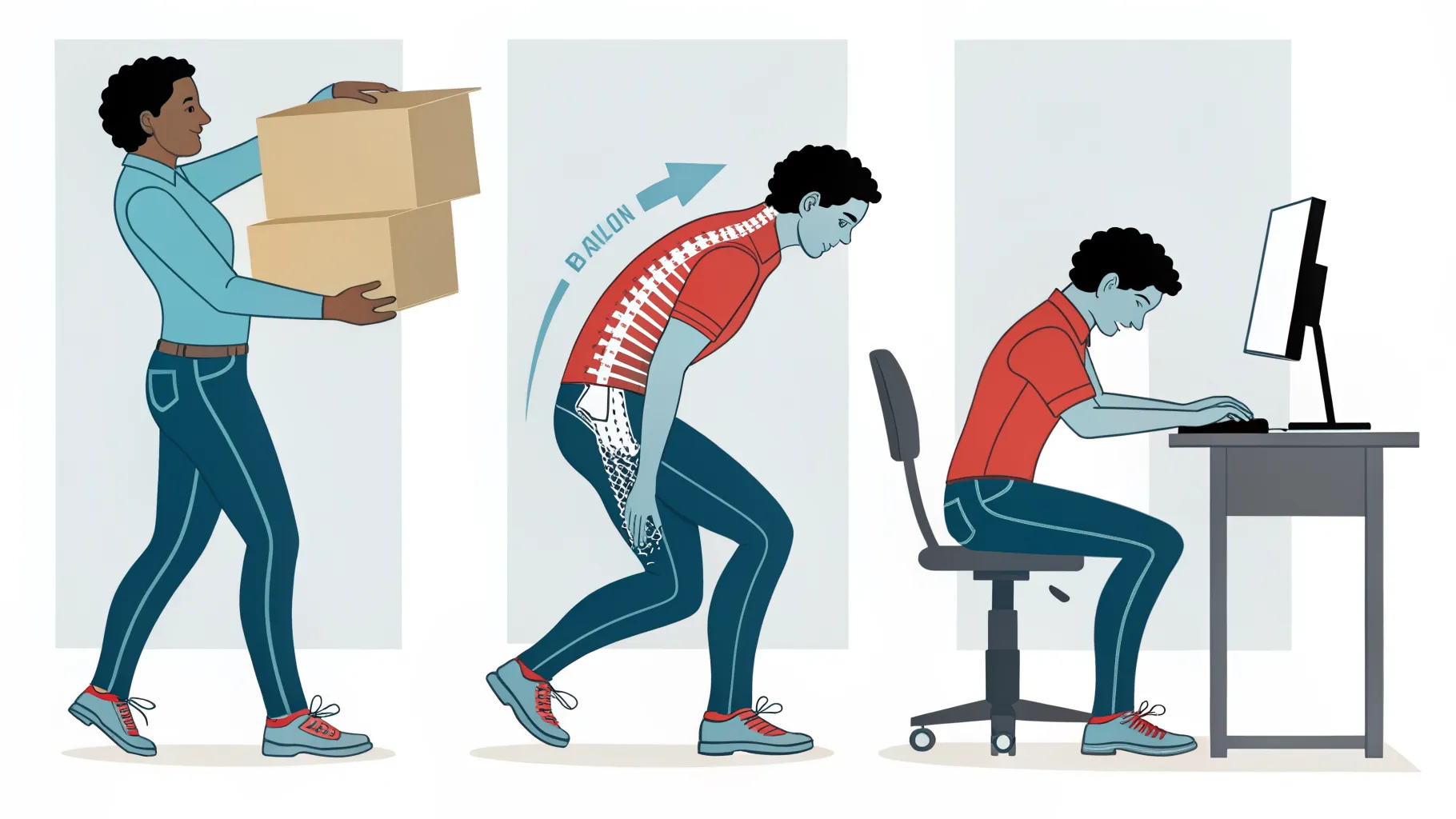
Exploring the Seven Primary Triggers of Chronic Lower Back Pain
1. Muscle Strain and Ligament Sprains
One of the most common back ache triggers is acute or chronic muscle strain and ligament sprains. This often results from sudden awkward movements, heavy lifting, or repetitive actions that overstretch or tear the muscles and ligaments supporting the spine. While acute strains typically resolve with rest and conservative care, repeated injuries or insufficient recovery can lead to persistent lower back pain. The lumbar region is particularly susceptible due to its role in bearing the body's weight and facilitating movement. Understanding proper biomechanics and ergonomic practices is vital in preventing these types of injuries and alleviating chronic back pain.
2. Herniated or Bulging Discs
Between each vertebra in the spine are intervertebral discs, which act as shock absorbers. A herniated or bulging disc occurs when the soft inner material of the disc pushes through a tear in the tougher outer layer, often compressing nearby nerves. This compression can cause intense persistent lower back pain, numbness, or weakness radiating down the leg, a condition often described as sciatica. Poor posture, age-related degeneration, and sudden trauma are common culprits. Effective lower back pain treatment for disc issues can range from physical therapy to, in severe cases, surgical intervention, emphasizing the importance of accurate diagnosis.
3. Sciatica (Nerve Impingement)
While often a symptom of a herniated disc, sciatica itself can be considered a significant trigger for persistent lower back pain. It describes pain that radiates along the path of the sciatic nerve, which branches from your lower back through your hips and buttocks and down each leg. This nerve impingement can be caused by disc herniation, spinal stenosis, piriformis syndrome, or even tumors. The pain can vary from a mild ache to a sharp, burning sensation or excruciating discomfort, significantly impacting mobility and quality of life. Addressing the root cause of the nerve compression is key to successful lower back pain treatment.
4. Spinal Stenosis
Spinal stenosis is a narrowing of the spinal canal, which puts pressure on the spinal cord and nerves. This condition most commonly affects the lumbar spine and is a prevalent cause of chronic back pain in older adults. The narrowing can be caused by bone spurs, thickened ligaments, or bulging discs. Symptoms typically include radiating pain, numbness, or weakness in the legs, which often worsens with standing or walking and improves with sitting or leaning forward. Managing spinal stenosis requires a tailored approach to lower back pain treatment, often involving physical therapy, medication, and sometimes surgical decompression.
5. Arthritis (Osteoarthritis and Spondylitis)
Arthritis, particularly osteoarthritis, is a degenerative joint disease that can affect the spine. As cartilage breaks down, bones rub together, leading to inflammation, pain, and stiffness. Spondylitis, another form of arthritis, involves inflammation of the vertebrae. Both conditions can contribute to persistent lower back pain and reduced flexibility. These conditions are particularly concerning as back ache triggers because they are progressive, meaning they tend to worsen over time. Management focuses on pain relief, preserving joint function, and slowing disease progression through medication, exercise, and lifestyle modifications.
6. Osteoporosis
Osteoporosis is a condition that causes bones to become weak and brittle, making them susceptible to fractures, especially in the spine. Compression fractures in the vertebrae can occur with minimal trauma, or even spontaneously, leading to sudden and severe persistent lower back pain. While pain from a fracture might eventually subside, repeated fractures can lead to spinal deformity, height loss, and ongoing chronic back pain. Preventive measures, including adequate calcium and vitamin D intake and weight-bearing exercises, are crucial, alongside specific lower back pain treatment to manage fractures and strengthen bones.
7. Poor Posture and Ergonomics
Often underestimated, poor posture and inadequate ergonomics are significant yet preventable back ache triggers. Slouching, hunching over a computer, or using improperly designed chairs can place undue stress on the spinal structures over time. This constant strain can lead to muscle imbalances, ligament laxity, and eventually contribute to disc issues and nerve compression, culminating in persistent lower back pain. Implementing ergonomic workstation setups, practicing mindful posture, and incorporating regular stretching can dramatically reduce the risk of developing or exacerbating chronic back pain.
Understanding the Nuances of Lower Back Pain Treatment Options
When comparing various lower back pain treatment options, it's crucial to understand that a personalized approach often yields the best results. For issues like muscle strains, conservative methods such as rest, ice, heat, and gentle stretching are usually effective. However, for more structural problems like a herniated disc or sciatica, a combination of physical therapy, anti-inflammatory medications, and potentially injections might be necessary. While some individuals find relief through chiropractic care or acupuncture, others with severe or refractory persistent lower back pain might require surgical intervention, such as discectomy or laminectomy, to decompress nerves or stabilize the spine. Each treatment pathway for these back ache triggers should be carefully evaluated with a healthcare professional, considering the specific diagnosis, severity, and patient's overall health and lifestyle to effectively manage chronic back pain.
Actionable Strategies for Managing and Preventing Chronic Back Pain
- Maintain Good Posture: Be mindful of your posture throughout the day, whether sitting, standing, or lifting. Use ergonomic furniture and support accessories to keep your spine aligned and reduce stress on your lower back.
- Regular Exercise: Incorporate exercises that strengthen core muscles (abdomen and back) and improve flexibility, such as walking, swimming, yoga, or Pilates. A strong core provides better support for your spine, mitigating back ache triggers.
- Lift Properly: Always lift with your legs, not your back. Bend your knees, keep your back straight, and hold the object close to your body to minimize strain on your lumbar spine.
- Manage Weight: Excess body weight, especially around the abdomen, can put additional stress on your lower back. Maintaining a healthy weight can significantly reduce the risk of developing persistent lower back pain.
- Quit Smoking: Smoking can impair blood flow to the spinal discs, accelerating their degeneration and making you more susceptible to chronic back pain. Quitting smoking can improve spinal health.
- Stay Hydrated: Hydration is essential for the health and elasticity of intervertebral discs. Ensure adequate water intake throughout the day to support overall spinal well-being and aid in preventing back ache triggers.
- Seek Professional Help Early: If you experience new or worsening persistent lower back pain, do not delay seeking medical advice. Early diagnosis and intervention can prevent acute conditions from becoming chronic back pain, guiding you towards appropriate lower back pain treatment.
Frequently Asked Questions
Can stress contribute to persistent lower back pain?
Yes, stress can significantly contribute to persistent lower back pain. Psychological stress often leads to muscle tension, particularly in the shoulders and lower back. This chronic tension can exacerbate existing pain or even act as a direct trigger, leading to muscle spasms and discomfort. Managing stress through relaxation techniques, mindfulness, and regular physical activity can be an important component of a comprehensive lower back pain treatment plan.
Is rest always the best treatment for chronic back pain?
While acute bouts of persistent lower back pain might benefit from a day or two of rest, prolonged bed rest is generally not recommended for chronic back pain. Inactivity can actually weaken muscles, leading to stiffness and potentially worsening the condition. Instead, gentle movement, targeted exercises, and physical therapy are often more effective in promoting recovery and strengthening the back, forming a key part of effective lower back pain treatment.
When should I see a doctor for my back pain?
You should see a doctor for your persistent lower back pain if it is severe, doesn't improve with rest, spreads down one or both legs, causes numbness or weakness in the legs, or is accompanied by unexplained weight loss, fever, or bowel/bladder problems. These could be signs of more serious back ache triggers that require immediate medical attention and specialized lower back pain treatment.
References
- World Health Organization. Low back pain.
- National Institute of Neurological Disorders and Stroke. Low Back Pain Fact Sheet.
- American Academy of Orthopaedic Surgeons. Back Pain.
Authored by MyTrendSpot team