Achieve Youthful Eyes: The Efficacy of Laser Treatment for Under-Eye Bags
Facts:
- Laser therapy offers a precise solution for reducing under-eye bags.
- The demand for non-surgical periorbital rejuvenation is growing significantly among adults.
Unveiling the Science Behind Effective Under-Eye Bag Laser Treatment
The quest for a more refreshed and youthful appearance often leads individuals to explore various aesthetic solutions, with the persistent issue of under-eye bags being a common concern. Modern dermatological advancements have positioned laser treatment for under-eye bags as a highly effective and increasingly popular option. This innovative approach offers a precise and controlled method to target the underlying causes of puffiness, discoloration, and laxity in the delicate skin beneath the eyes, leading to significant improvements in overall eye aesthetics and a more invigorated look. Understanding the scientific principles and procedural nuances of this treatment is crucial for anyone considering non-invasive eye rejuvenation.
Understanding the Causes of Under-Eye Bags
Under-eye bags are a prevalent cosmetic concern that can make individuals appear tired, older, or less vibrant than they feel. Their formation is often a multifactorial issue, stemming from a combination of genetic predispositions, lifestyle factors, and the natural aging process. One primary cause is the weakening of the tissues and muscles supporting the eyelids. As we age, the collagen and elastin fibers in the skin diminish, leading to a loss of elasticity and structural integrity. This allows fat pads that usually cushion the eyes to bulge forward, creating the characteristic puffiness. Furthermore, fluid retention, which can be exacerbated by dietary habits high in sodium, lack of sleep, allergies, or certain medical conditions, can contribute to the temporary or chronic swelling of the lower eyelids. Pigmentation issues, such as increased melanin production or visible blood vessels through thin skin, also contribute to the appearance of dark circles reduction, which often accompanies under-eye bags. Addressing these diverse factors requires a targeted approach, making advanced interventions like laser treatment for under-eye bags particularly effective.
How Laser Treatment Targets Under-Eye Concerns
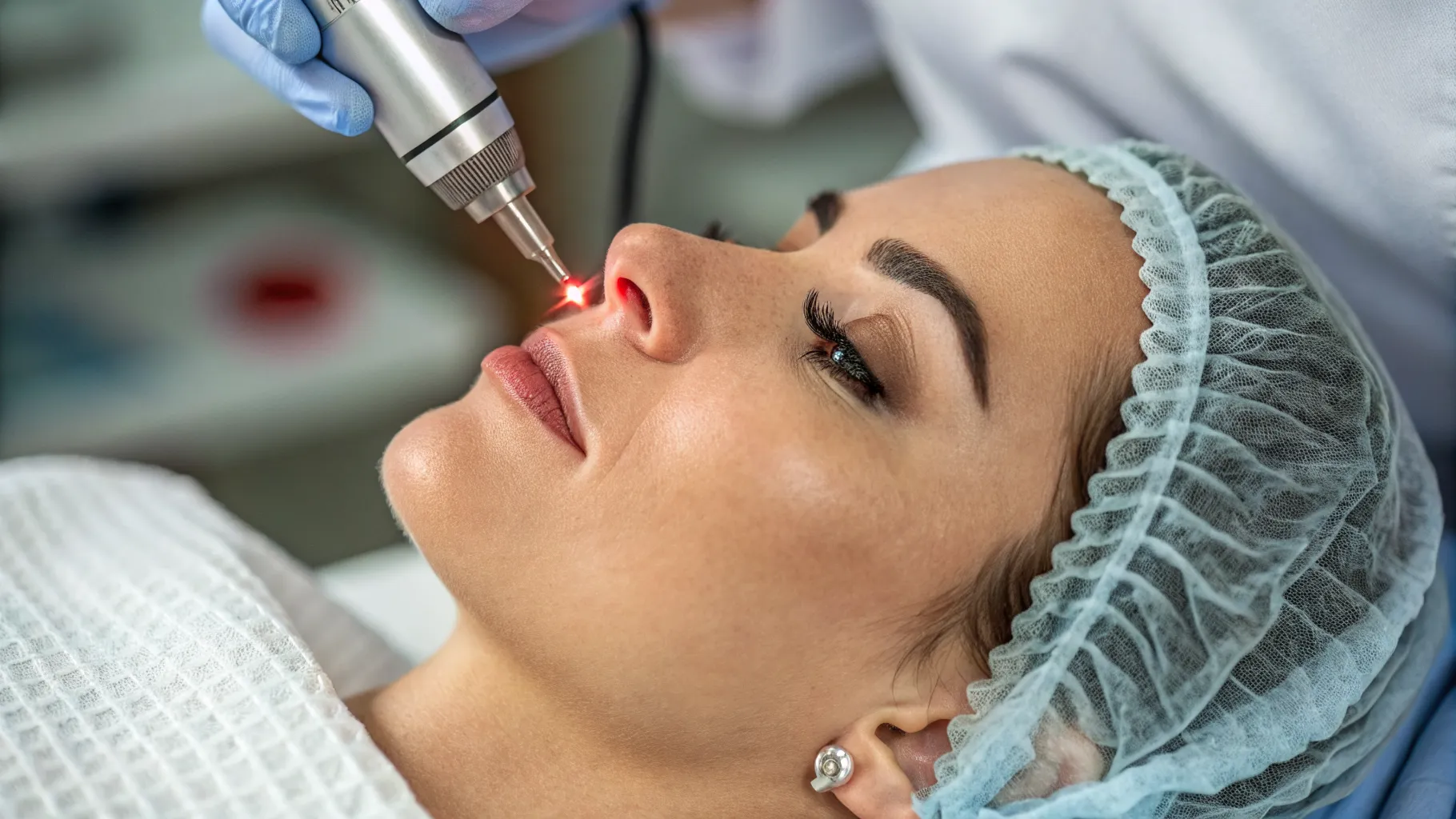
Laser treatment for under-eye bags operates on the principle of controlled energy delivery to stimulate the skin's natural healing and regenerative processes. Different types of lasers utilize specific wavelengths of light to achieve varied therapeutic effects. Ablative lasers, such as CO2 or Er:YAG lasers, work by removing the outer layers of damaged skin, precisely vaporizing tissue to reveal smoother, tighter skin underneath. This process also triggers a robust wound healing response, prompting the production of new collagen and elastin, which are vital for skin firmness and elasticity. Non-ablative lasers, on the other hand, penetrate the skin without removing the surface layer. Instead, they deliver heat to the deeper dermal layers, initiating collagen remodeling and tightening from within, with less downtime. Both approaches aim to reduce skin laxity, diminish the appearance of fine lines and wrinkles, and improve skin texture, effectively reducing the prominence of under-eye bags. For issues like hyperpigmentation leading to dark circles, specific pigment-targeting lasers can break down melanin, further enhancing the overall aesthetic outcome of periorbital rejuvenation.
Types of Lasers Used for Periorbital Rejuvenation
The choice of laser for periorbital rejuvenation depends on the specific concerns being addressed, the patient's skin type, and their tolerance for downtime. Among the most common and effective lasers are fractional CO2 lasers and erbium (Er:YAG) lasers. Fractional CO2 lasers create microscopic channels in the skin, leaving surrounding tissue intact to facilitate faster healing. This allows for significant resurfacing and collagen stimulation, making them highly effective for severe bags, wrinkles, and skin laxity. Er:YAG lasers offer a gentler ablative option, providing more precise control over the depth of skin removal, which translates to a shorter recovery period while still delivering impressive skin tightening and textural improvements. For those seeking less aggressive options, non-ablative fractional lasers, such as those that use diode or Nd:YAG technology, can improve skin quality and stimulate collagen production with minimal downtime, making them ideal for mild to moderate under-eye concerns and for individuals who prefer a gradual approach to non-invasive eye rejuvenation. Pulsed dye lasers or Q-switched lasers may also be employed specifically for vascular or pigmentary issues contributing to dark circles, complementing the overall treatment plan for dark circles reduction.
Comparing Laser Options: Ablative vs. Non-Ablative
When considering laser treatment for under-eye bags, understanding the distinction between ablative and non-ablative lasers is critical for setting expectations regarding results and recovery. Ablative lasers, like CO2 and Er:YAG, are considered more aggressive as they vaporize the outermost layers of skin. This intense resurfacing yields dramatic results, significantly tightening skin, smoothing wrinkles, and effectively reducing prominent under-eye bags. However, this comes with a longer downtime, typically ranging from one to two weeks, during which the skin will be red, swollen, and require diligent aftercare to prevent infection. In contrast, non-ablative lasers work by heating the underlying skin tissue without damaging the surface. This approach stimulates collagen production gradually, leading to more subtle improvements over several sessions. The advantage of non-ablative options is minimal to no downtime, allowing patients to return to their daily activities almost immediately. While the results may not be as profound as with ablative lasers, non-ablative treatments are excellent for individuals seeking gradual improvement, addressing mild to moderate under-eye concerns, and for those prioritizing a low-risk, comfortable experience in their journey towards non-invasive eye rejuvenation. The choice between these two categories is often a balance between desired outcome, acceptable recovery time, and individual skin characteristics.
Preparing for Your Laser Session and Post-Treatment Care
Proper preparation and diligent aftercare are paramount to achieving optimal results and minimizing complications from laser treatment for under-eye bags. Before the procedure, patients are typically advised to avoid sun exposure, retinoids, and certain medications like aspirin or ibuprofen that can increase bleeding for a specified period. A thorough consultation with a qualified dermatologist will help determine suitability, discuss expectations, and outline specific pre-treatment instructions. Following the laser session, meticulous post-treatment care is essential. Immediately after, the treated area may experience redness, swelling, and a sensation similar to sunburn. Depending on the type of laser used (ablative vs. non-ablative), specific wound care instructions, including gentle cleansing, application of prescribed ointments, and avoiding makeup, will be provided. Strict sun protection, using broad-spectrum sunscreen and wearing protective eyewear, is critical for several weeks or months to prevent hyperpigmentation and ensure proper healing. Staying hydrated and avoiding strenuous activities can also aid in recovery. Regular follow-up appointments allow the dermatologist to monitor progress and address any concerns, ensuring a smooth healing process and maximizing the benefits of your fractional laser for under-eyes treatment.
What to Expect: From Consultation to Recovery
Initial Consultation:
During your first visit, a dermatologist will assess your under-eye concerns, discuss your medical history, and determine if laser treatment for under-eye bags is suitable for you. This is an opportunity to clarify goals and understand the specific laser technology that will be most effective for your unique skin type and condition, including any specific strategies for dark circles reduction.
Pre-Treatment Preparation:
You will receive detailed instructions, which often include avoiding sun exposure, discontinuing certain medications or topical creams, and preparing your skin for the procedure. Adhering to these guidelines is crucial for minimizing risks and optimizing outcomes of periorbital rejuvenation.
The Laser Procedure:
On the day of treatment, your skin will be thoroughly cleansed, and a topical anesthetic may be applied to enhance comfort. The laser technician or dermatologist will then precisely apply the laser to the under-eye area. The duration varies depending on the laser type and the extent of treatment, but typically ranges from 15 to 45 minutes.
Immediate Post-Treatment:
Immediately after, you may experience redness, swelling, and a sensation of warmth or mild discomfort, similar to a sunburn. Cooling packs are often applied to soothe the area, and specific healing ointments will be recommended for the initial recovery phase.
Recovery and Downtime:
Downtime varies significantly based on the laser. For non-ablative treatments, recovery is minimal, with slight redness or swelling subsiding within a day or two. Ablative treatments, however, may involve 7-14 days of significant redness, peeling, and swelling, requiring more intensive aftercare and social downtime. Regardless, diligent sun protection is paramount during this period for any form of non-invasive eye rejuvenation.
Long-Term Results and Follow-Up:
Results will gradually become apparent as your skin heals and new collagen forms, with optimal outcomes often visible several weeks to months after the final session. Follow-up appointments are essential to monitor progress, address any concerns, and determine if additional sessions are needed to maintain the revitalized appearance achieved through fractional laser for under-eyes.
Frequently Asked Questions
Is laser treatment for under-eye bags painful?
Most patients report feeling a warm or rubber band snap sensation during the procedure. Topical anesthetics are commonly used to minimize discomfort, and some clinics may offer other pain management options. The experience is generally well-tolerated.
How many sessions of fractional laser for under-eyes are needed?
The number of sessions required varies depending on the severity of the under-eye bags, the type of laser used, and individual response. Typically, a series of 1 to 3 sessions for ablative lasers or 3 to 6 sessions for non-ablative lasers are recommended for optimal results.
What are the potential side effects of periorbital rejuvenation?
Common side effects include temporary redness, swelling, and mild discomfort. Less common but possible side effects include blistering, changes in skin pigmentation (hypo- or hyperpigmentation), infection, or scarring, though these are rare with experienced practitioners.
References
- Dermatologic Surgery Journal, Article on advancements in periorbital laser resurfacing.
- Journal of Cosmetic and Laser Therapy, Review of non-ablative lasers for skin rejuvenation.
- American Academy of Dermatology, Guidelines for laser skin treatments.
Authored by MyTrendSpot team