Acid Reflux Symptoms: Understanding Causes and Effective Treatments
Fast Facts:
- Over 60 million Americans experience heartburn at least once a month.
- The prevalence of GERD continues to rise globally for adult populations.
Understanding Acid Reflux: Symptoms, Causes, and Treatments
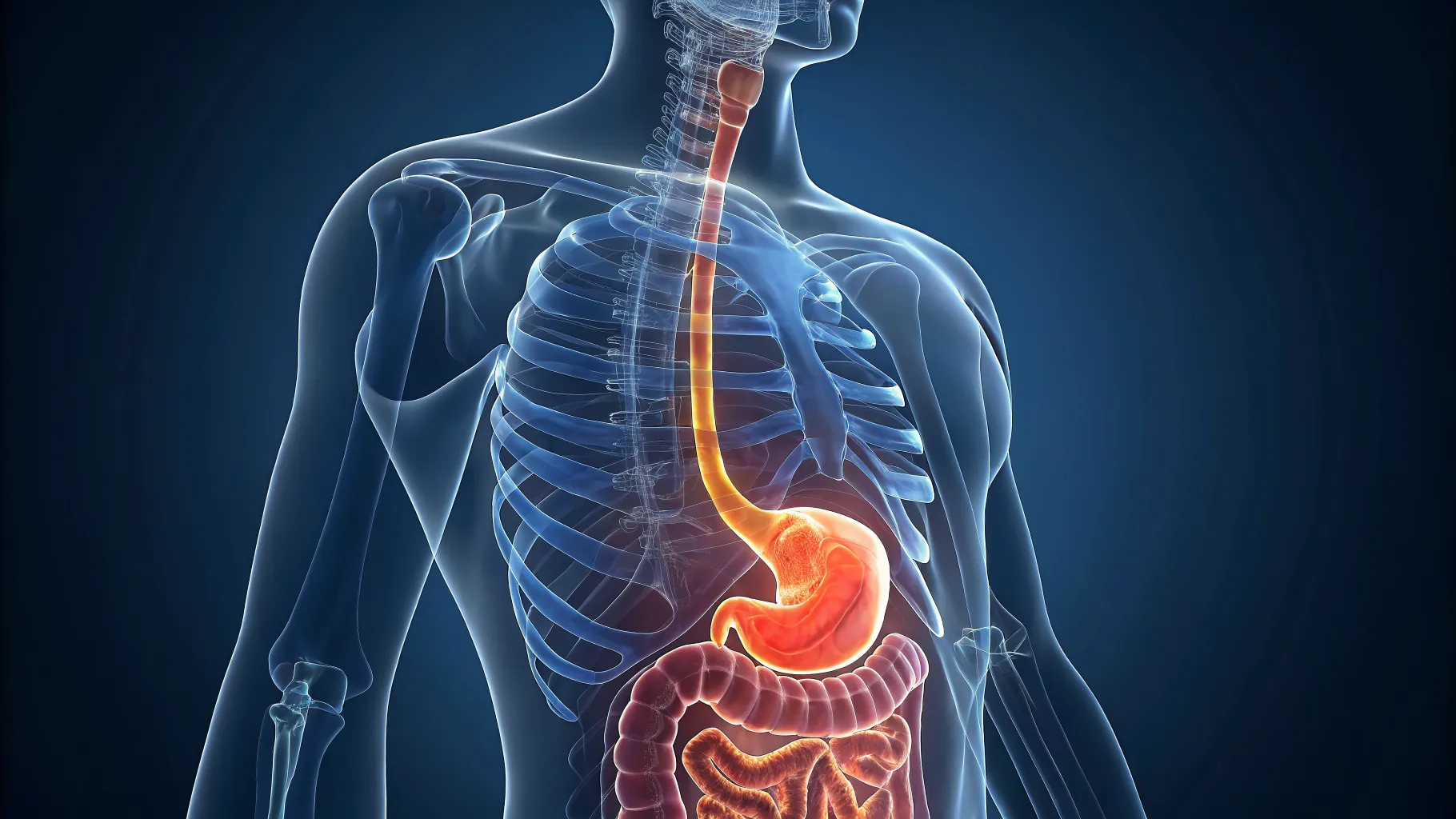
Acid reflux, often manifesting as uncomfortable heartburn, is a common digestive condition where stomach acid flows back into the esophagus. This can lead to irritation and a range of disruptive acid reflux symptoms. Understanding the mechanisms behind this condition, its various causes, and the available acid reflux treatments is crucial for effective management and improving quality of life. For many, occasional reflux is a minor inconvenience, but when symptoms become chronic and severe, it may indicate Gastroesophageal Reflux Disease, or GERD, a more serious condition requiring sustained intervention.
Recognizing Acid Reflux Symptoms
The experience of acid reflux symptoms can vary significantly from person to person, but certain indicators are widely recognized. The classic symptom is heartburn, a burning sensation in the chest, often rising from the stomach to the throat. This discomfort typically worsens after eating, in the evening, or when lying down or bending over. Beyond this primary discomfort, individuals with GERD may also experience regurgitation, where sour or bitter-tasting stomach acid or food backs up into the throat or mouth. These core symptoms are the most common reasons people seek help for their acid reflux.
Common Manifestations of Heartburn
While heartburn is the hallmark symptom, its intensity and frequency can provide clues about the severity of acid reflux. Some individuals might experience mild, infrequent episodes that are easily managed with lifestyle changes, while others contend with daily, debilitating chest pain that can mimic cardiac issues. The burning sensation is a direct result of stomach acid irritating the sensitive lining of the esophagus, which is not designed to withstand such acidic exposure. Persistent or worsening heartburn is a critical signal that effective acid reflux treatments may be necessary to prevent further esophageal damage.
Less Obvious Indicators of GERD
Beyond the typical chest pain, acid reflux symptoms can manifest in less obvious ways, often leading to misdiagnosis or delayed treatment for GERD. These atypical symptoms can include chronic cough, particularly at night, unexplained hoarseness, a persistent sore throat, or even asthma-like symptoms that do not respond to traditional asthma medications. Some individuals report difficulty swallowing (dysphagia) or a sensation of a lump in the throat (globus sensation), which can indicate more severe esophageal irritation or narrowing. Dental erosion due to repeated acid exposure is another subtle sign. Recognizing these diverse manifestations is vital for a comprehensive diagnosis and tailoring appropriate acid reflux treatments.
Unraveling the Causes of Acid Reflux
Understanding the root causes of acid reflux is fundamental to managing the condition effectively. At its core, acid reflux occurs when the lower esophageal sphincter (LES) — a ring of muscle at the junction of the esophagus and stomach — weakens or relaxes inappropriately, allowing stomach contents to flow backward. This anatomical or functional issue can be exacerbated by a myriad of factors, ranging from dietary choices to specific physiological conditions, all contributing to the severity of acid reflux symptoms and the development of chronic GERD.
Lifestyle and Dietary Triggers
Many cases of acid reflux are significantly influenced by lifestyle and dietary habits. Foods rich in fat, spicy foods, caffeine, chocolate, peppermint, and citrus fruits are notorious for triggering or worsening heartburn. Overeating or eating large meals close to bedtime can also put undue pressure on the LES, promoting reflux. Lifestyle factors such as obesity, smoking, and excessive alcohol consumption are also strong contributors, as they can directly impair LES function or increase stomach acid production. Identifying and modifying these triggers is often the first and most impactful step in preventing acid reflux symptoms and managing GERD.
Physiological Factors Contributing to GERD
While lifestyle plays a major role, certain physiological conditions can predispose individuals to acid reflux and chronic GERD. A hiatal hernia, where part of the stomach pushes up through the diaphragm into the chest cavity, is a common cause, as it can compromise the LES's ability to close properly. Pregnancy can also induce acid reflux due to increased abdominal pressure and hormonal changes. Other factors include delayed stomach emptying (gastroparesis), which keeps food in the stomach longer, increasing the likelihood of reflux. Certain medications, such as some antidepressants, sedatives, and calcium channel blockers, can also relax the LES. Recognizing these underlying physiological causes is crucial for healthcare providers to recommend the most appropriate and effective acid reflux treatments.
Effective Acid Reflux Treatments and Management
Managing acid reflux and GERD involves a multi-faceted approach, combining lifestyle adjustments, medication, and, in some cases, surgical interventions. The goal of acid reflux treatments is not only to alleviate current acid reflux symptoms but also to prevent complications such as esophagitis, esophageal stricture, or Barrett's esophagus. A personalized treatment plan is often developed based on the severity and frequency of symptoms, as well as the underlying causes identified.
Lifestyle Modifications for Relief
Simple yet powerful lifestyle changes are often the cornerstone of acid reflux treatments. These include maintaining a healthy weight, as excess abdominal fat can put pressure on the stomach and LES. Elevating the head of the bed by six to eight inches can help gravity keep stomach acid down, reducing nighttime heartburn. Avoiding trigger foods, eating smaller, more frequent meals, and refraining from eating within two to three hours of bedtime are also highly effective strategies. Quitting smoking and reducing alcohol intake are critical steps, as both substances directly weaken the LES and irritate the esophageal lining. These modifications can significantly reduce the frequency and intensity of acid reflux symptoms without the need for medication.
Over-the-Counter and Prescription Medications
When lifestyle changes are insufficient, various medications are available to manage acid reflux symptoms. Over-the-counter options include antacids, which neutralize stomach acid for quick, temporary relief of heartburn, and H2-receptor blockers (H2 blockers), which reduce acid production. For more persistent or severe GERD, prescription-strength H2 blockers or proton pump inhibitors (PPIs) are often prescribed. PPIs are highly effective at blocking acid production and allowing the esophagus to heal. However, long-term use of certain medications may have side effects, and it's essential to discuss the risks and benefits with a healthcare professional to determine the most suitable acid reflux treatments.
Advanced Interventions for Persistent GERD
For a minority of individuals with severe GERD that doesn't respond to lifestyle changes or medication, more advanced interventions may be considered. Surgical options, such as fundoplication, involve wrapping the upper part of the stomach around the lower esophagus to reinforce the LES and prevent reflux. Newer minimally invasive endoscopic procedures are also emerging, which aim to tighten the LES or create a barrier to reflux without traditional surgery. These advanced acid reflux treatments are typically reserved for cases where the benefits significantly outweigh the risks, and they offer a potential long-term solution for debilitating acid reflux symptoms.
Preventing Acid Reflux: Actionable Advice
- Maintain a Healthy Weight: Excess body weight, particularly around the abdomen, puts increased pressure on your stomach, forcing acid back into the esophagus and worsening acid reflux symptoms.
- Eat Smaller, More Frequent Meals: Large meals can overfill the stomach, making it more likely for acid to reflux. Smaller portions are easier to digest and reduce pressure on the LES, helping to prevent heartburn.
- Avoid Trigger Foods and Beverages: Foods like fatty meals, spicy dishes, chocolate, peppermint, caffeine, carbonated drinks, and alcohol can relax the LES or increase stomach acid production, leading to GERD.
- Don't Lie Down After Eating: Wait at least two to three hours after eating before lying down or going to bed. This allows time for your stomach to empty and reduces the chance of stomach acid flowing back up.
- Elevate Your Head While Sleeping: Raising the head of your bed by 6 to 8 inches (using risers under the bedposts, not just extra pillows) can help gravity keep stomach acid in its place, significantly reducing nighttime acid reflux.
- Quit Smoking: Nicotine can relax the LES, making it easier for stomach acid to flow back into the esophagus. Smoking also interferes with saliva production, which helps neutralize acid.
- Wear Loose-Fitting Clothing: Tight clothing, especially around the waist, can compress your stomach and push acid upward, aggravating acid reflux symptoms.
Frequently Asked Questions
What exactly is GERD and how is it different from acid reflux?
GERD, or Gastroesophageal Reflux Disease, is a chronic, more severe form of acid reflux. While acid reflux refers to the occasional backward flow of stomach acid into the esophagus, GERD is diagnosed when acid reflux symptoms occur frequently (two or more times a week) and cause persistent irritation or complications. It signifies a long-term condition that often requires consistent management.
Can stress cause acid reflux?
While stress doesn't directly cause acid reflux, it can certainly exacerbate acid reflux symptoms and make them feel worse. Stress can alter digestion, increase sensitivity to pain, and affect the perception of heartburn. Managing stress through relaxation techniques, exercise, and sufficient sleep can be a valuable part of overall acid reflux treatments.
Are there specific foods I should absolutely avoid if I have acid reflux?
Yes, certain foods are known triggers for many individuals experiencing acid reflux. Common culprits include high-fat foods (fried foods, fatty meats), spicy dishes, citrus fruits, tomatoes and tomato-based products, chocolate, peppermint, garlic, onions, caffeine, and alcoholic beverages. Identifying your personal triggers is key to managing acid reflux symptoms, but generally, a bland diet can help alleviate heartburn.
References
- National Institute of Diabetes and Digestive and Kidney Diseases (NIDDK).
- American College of Gastroenterology (ACG).
- Mayo Clinic.
- Cleveland Clinic.
Authored by MyTrendSpot team