The Ultimate Antique Clock Collecting Guide: An Enthusiast's Handbook
Facts:
- Rich history in every tick.
- Vintage timepieces trend for Antique clock collecting enthusiasts.
Unlocking the World of Antique Clock Collecting
Welcome to the fascinating world of antique clock collecting, a journey filled with intricate mechanisms, rich history, and timeless beauty. This comprehensive horology guide serves as your ultimate companion, whether you're a seasoned collector or just beginning to explore the allure of vintage timepieces. Delve into the nuances of identification, appraisal, and the delicate art of preservation that defines this captivating hobby.
Identifying Authentic Vintage Timepieces
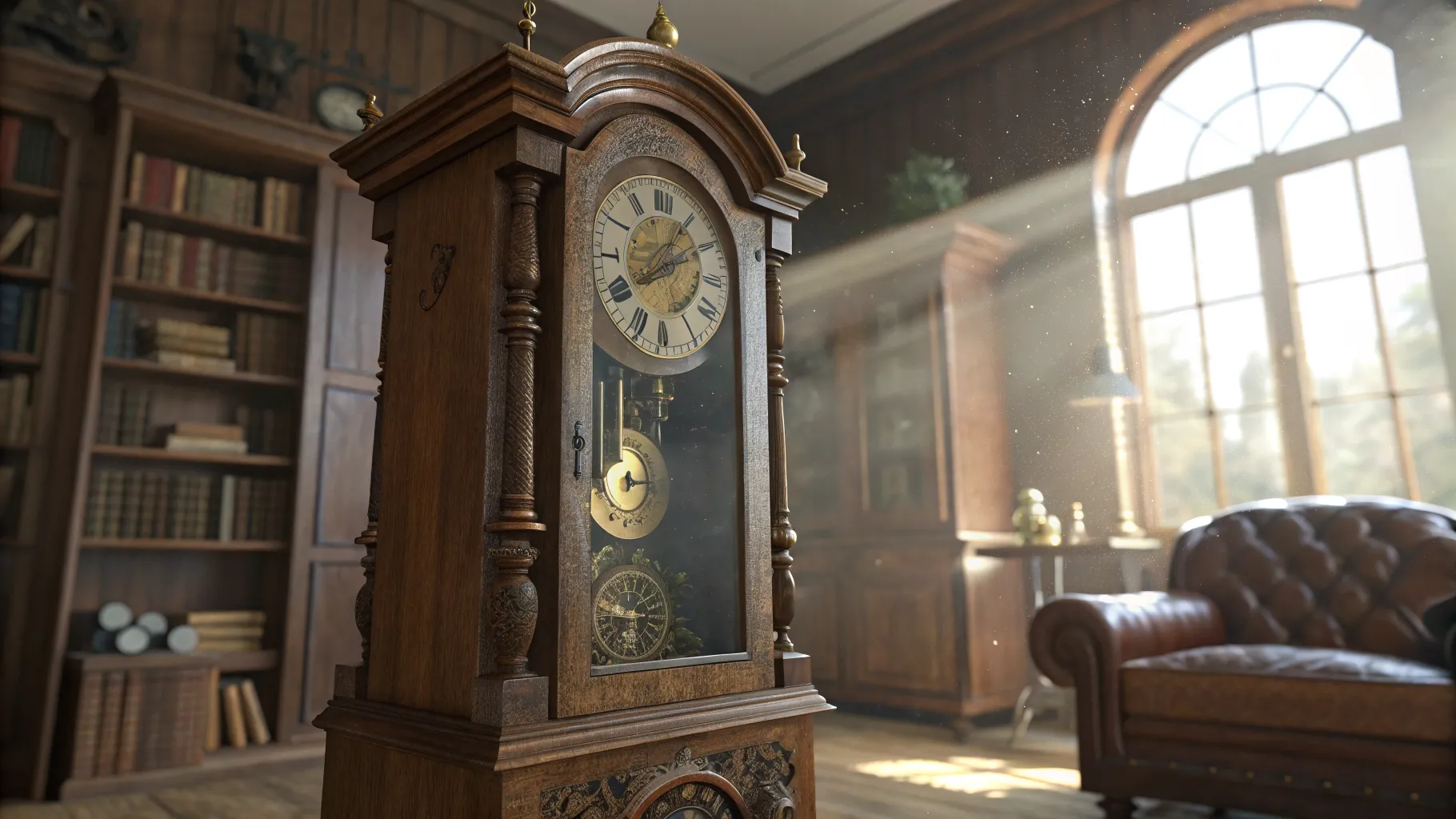
The first crucial step in antique clock collecting is learning to identify authentic pieces. This involves understanding period styles, recognizing genuine patinas, and distinguishing between original components and later replacements. Examine the maker's marks, which are often found on the movement, dial, or case. Researching these marks can provide invaluable information about the clock's origin, age, and sometimes its provenance. Pay close attention to the overall construction; high-quality antique clocks often exhibit superior craftsmanship, joinery, and material selection compared to reproductions or fakes. Developing a keen eye for detail and investing time in studying various historical clock types, such as grandfather clocks, mantel clocks, and wall clocks, will significantly enhance your ability to make informed decisions in your horology guide journey.
Deciphering Clock Mechanisms
Understanding the internal clock mechanisms is paramount for any serious antique clock collecting enthusiast. From verge escapements to lever escapements, each mechanism tells a story of technological evolution. Familiarize yourself with the mainsprings, gears, escapement wheels, and pendulums. Knowledge of how these components interact not only aids in identification but also in appreciating the engineering marvel behind these devices. A deep dive into the specific movement types, such as 8-day movements or thirty-hour movements, will reveal their operational nuances and typical indicators of wear or damage. This knowledge is indispensable when considering a clock restoration project, as it informs repair strategies and ensures the longevity of the timepiece.
The Art of Clock Restoration
Proper clock restoration is a delicate balance between preserving historical integrity and ensuring functionality. It’s not merely about making an old clock run again; it’s about carefully bringing it back to its former glory without erasing its history. This often involves cleaning the movement, repairing or replacing worn parts with historically accurate equivalents, and carefully tending to the case. For example, a common mistake is over-polishing brass components, which can remove original finishes and diminish value. Similarly, refinishing a wooden case without regard for its original patina can drastically reduce an antique's appeal. Seek out experienced horologists who specialize in conservation rather than mere repair. They understand the intricacies of period-correct techniques and materials, ensuring that your vintage timepieces retain their authenticity and value for generations. This painstaking process requires patience, precision, and a deep respect for the craftsmanship of the past.
Valuation and Appraisal for Antique Clock Collecting
Accurately valuing a clock in antique clock collecting requires a combination of historical knowledge, market awareness, and condition assessment. Factors influencing value include rarity, provenance, maker, age, condition, and desirability of the style. A unique or historically significant piece will naturally command a higher price. Originality is key; clocks with all their original parts, especially the movement and case, are generally more valuable than those with significant replacements or repairs. Market trends also play a role; certain styles or makers may experience surges or dips in popularity. Professional appraisal by a certified horological expert is highly recommended, especially for significant acquisitions or insurance purposes. They can provide an unbiased assessment based on current market data and their extensive knowledge, ensuring you have a clear understanding of your vintage timepieces' worth.
Essential Care and Maintenance for Horology Guide Enthusiasts
Maintaining your vintage timepieces properly is crucial for their longevity and accurate timekeeping. Regular cleaning, oiling, and professional servicing are essential. Dust and grime are the enemies of delicate clock mechanisms, so keep clocks in clean environments and dust them gently. Avoid direct sunlight and extreme temperature fluctuations, which can damage cases and movements. Winding routines should be consistent, and never over-wind a clock. For intricate movements, professional servicing every 5-7 years is generally recommended. This allows for cleaning, re-oiling, and minor adjustments, preventing major issues down the line. Understanding the specific needs of different types of clocks, from pendulums to mainsprings, is a vital part of being a responsible antique clock collecting guardian. Adhering to these practices will ensure your cherished items continue to tick reliably for years to come.
Building Your Antique Clock Collecting Journey
- Start with Research: Before purchasing, immerse yourself in books, online resources, and museums to understand different clock types, periods, and makers. A solid foundation in horology guide principles will prevent costly mistakes.
- Attend Auctions and Fairs: These events are excellent places to see a wide variety of clocks, learn from dealers, and sometimes find unique pieces. Observing how professionals inspect and discuss clocks offers invaluable insights into antique clock collecting.
- Network with Other Collectors: Join local or online forums and clubs. Sharing knowledge and experiences with fellow enthusiasts can provide mentorship, access to resources, and even potential leads for acquisitions.
- Prioritize Condition and Originality: While some wear is expected, aim for clocks that are as original and well-preserved as possible. Significant damage or extensive non-original repairs can drastically impact value and functionality, making clock restoration more challenging.
- Consider Storage and Display: Think about where your clocks will live. They need stable environments, free from excessive humidity or dryness, and secure display options to prevent damage. Proper display also enhances their aesthetic appeal in your collection.
Frequently Asked Questions
What is the best way to start antique clock collecting?
The best way to begin antique clock collecting is through extensive research and education. Start by reading books on horology, visiting museums, and attending antique shows to familiarize yourself with different styles, makers, and eras. Consider joining a local horological society to connect with experienced collectors and learn from their expertise. Beginning with a smaller, more affordable piece in good condition can also be a great first step.
How often should vintage timepieces be serviced?
Vintage timepieces typically require professional servicing every five to seven years, depending on their complexity, environment, and how frequently they are wound. This routine maintenance includes cleaning the movement, inspecting for wear, re-oiling critical components, and making any necessary adjustments to ensure accurate timekeeping and prevent long-term damage. Regular servicing is key to the longevity of your cherished clock mechanisms.
Are all old clocks considered valuable for antique clock collecting?
No, not all old clocks are considered highly valuable in antique clock collecting. While many possess historical charm, their value depends on several factors, including rarity, maker, age, condition, historical significance, and current market demand. Clocks with significant damage, non-original parts, or those that are mass-produced may not hold substantial monetary value, though they can still be appreciated for their aesthetic or sentimental appeal. A professional appraisal is recommended for accurate valuation.
References
- Chamberlain, Paul M. It's About Time: An Encyclopedia of Time and Clock Making.
- Britten, F. W. Britten's Old Clocks and Watches and Their Makers.
- Roberts, Derek. British Longcase Clocks.
- Barber, Edwin AtLee. The Ceramic Collector's Glossary.
Authored by MyTrendSpot team