Uncovering Value: Bank-Owned Skid Steer Loaders for Sale
Fast Facts:
- Significant savings potential on heavy equipment.
- Increasing availability of bank-owned skid steers for construction and landscaping sectors.
Navigating the Market for Bank-Owned Skid Steer Loaders
The market for heavy machinery can be challenging to navigate, particularly when seeking cost-effective solutions. For many businesses and individual contractors, acquiring bank-owned skid steer loaders presents a unique opportunity to secure essential equipment at a fraction of the cost of new models. These repossessed skid steer loaders often come from situations where previous owners defaulted on loans, leading financial institutions to recover and resell the assets. Understanding the dynamics of this specialized market is crucial for making informed purchasing decisions and leveraging potential savings on high-value machinery. This guide will delve into the intricacies of finding, evaluating, and purchasing these valuable assets.
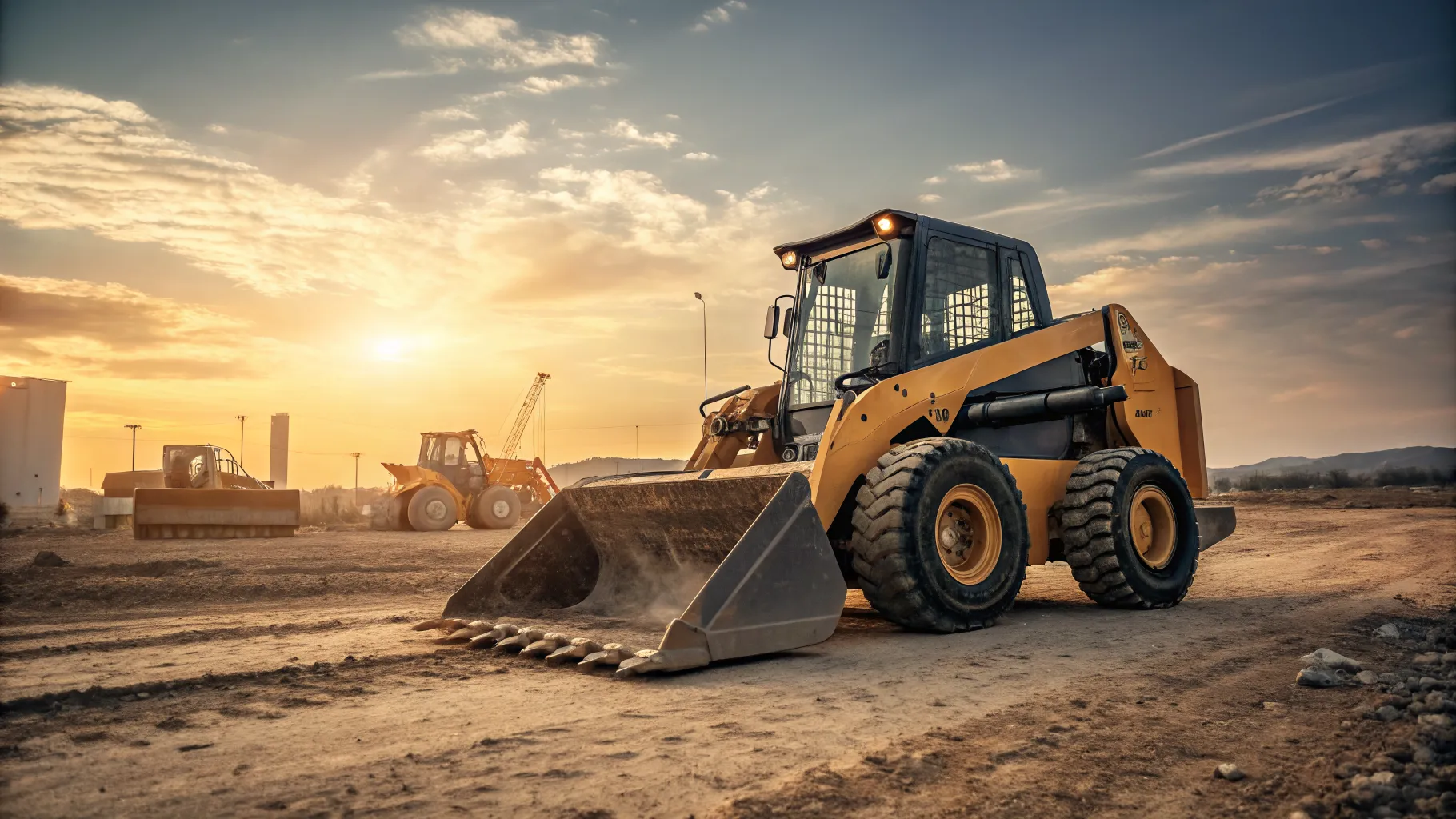
Understanding the Origins of Repossessed Skid Steer Loaders
Repossessed skid steer loaders typically enter the market when a borrower defaults on their loan obligations, or a business ceases operations, leaving the bank to reclaim its collateral. Financial institutions, not being equipment dealers, aim to recover their invested capital efficiently. This process often involves a thorough assessment of the machine's condition, including an appraisal of its market value, service history, and operational status. While some units might require minor repairs, many are in excellent working order, having been well-maintained by their previous owners before financial difficulties arose. The journey from repossession to resale is managed by asset recovery departments, which often partner with specialized auction houses or heavy equipment brokers to liquidate foreclosed heavy equipment quickly and effectively, making them accessible to buyers.
Key Benefits of Purchasing Foreclosed Heavy Equipment
The primary advantage of investing in foreclosed heavy equipment is the significant cost savings. Buyers can often acquire high-quality machinery, such as bank-owned skid steers, for substantially less than the price of a new unit, and sometimes even below typical used market prices. This allows businesses to stretch their budget further, acquiring more equipment or allocating funds to other operational needs. Beyond the initial purchase price, these machines typically offer quicker acquisition times compared to ordering new equipment, which can involve long lead times. Furthermore, the depreciation curve for a used machine is less steep than for a new one, meaning your investment retains more of its value over time. For entrepreneurs and expanding companies, these cost efficiencies can be a game-changer, enabling access to essential tools without the prohibitive capital outlay associated with brand-new equipment.
Essential Due Diligence for Used Skid Steer Market Purchases
When venturing into the used skid steer market for bank-owned skid steers, thorough due diligence is paramount to avoid potential pitfalls. Prospective buyers must conduct comprehensive inspections that go beyond a superficial glance. This includes meticulously examining the engine for leaks, checking hydraulic lines and cylinders for wear, assessing the tires or tracks for damage, and inspecting the frame for cracks or major structural fatigue. It's also vital to verify the machine's operational hours, as high hours can indicate significant wear on critical components. Requesting maintenance records, if available, can provide invaluable insight into the machine's past care and any recurring issues. An independent, certified mechanic’s inspection is highly recommended to uncover hidden problems, ensuring that the repossessed skid steer loaders meet your operational standards and are a sound investment. Never assume the machine is perfect; diligent inspection will protect your interests.
Where to Find Bank-Owned Skid Steer Loaders for Sale
Locating bank-owned skid steer loaders for sale requires knowing the right channels. Banks themselves rarely sell directly to the public; instead, they utilize specialized liquidation avenues. Online heavy equipment auction sites are a prime source, featuring regular sales of repossessed assets from various financial institutions. Websites like Ritchie Bros. Auctioneers, IronPlanet, and GovPlanet frequently list foreclosed heavy equipment. Additionally, many banks work with regional or national heavy equipment dealerships that specialize in selling used and repossessed machinery. Establishing relationships with these dealers can provide early access to inventory. Local classifieds, industry-specific forums, and even directly contacting bank asset recovery departments can sometimes yield results, although these are less common. Being proactive and consistently checking these diverse sources will maximize your chances of finding the ideal bank-owned skid steers to meet your needs.
Financing and Valuation: Securing Equipment Financing Deals
Even with discounted prices, purchasing repossessed skid steer loaders can still represent a significant investment, making equipment financing deals a crucial consideration. Many lenders offer specialized financing for used heavy equipment, and some banks might even provide competitive rates on their own repossessed inventory to facilitate a quick sale. When evaluating a machine, understanding its fair market value is key. This involves researching comparable sales, assessing the machine's condition, and considering factors like age, hours, and available attachments. This valuation helps in negotiating a favorable purchase price and securing appropriate financing. Be prepared to present a solid business case to lenders, demonstrating your ability to repay the loan. A well-researched valuation empowers you to make an informed offer and secure an advantageous deal on your foreclosed heavy equipment, ensuring your investment is both affordable and sustainable.
Comparison: Bank-Owned vs. Standard Used Skid Steers
When comparing bank-owned skid steers to standard used skid steers found through private sellers or conventional dealerships, several distinctions emerge. Bank-owned skid steers often come with a more structured and transparent sale process, typically handled by professional auction houses or liquidation specialists, which can provide a clearer chain of custody and potentially more objective condition reports, even if 'as-is' sales are common. In contrast, purchasing from private sellers might offer more negotiation flexibility but can also come with less assurance regarding the machine's history or true condition. While standard used dealers provide warranties and reconditioning, their prices usually reflect these added services. The primary advantage of bank-owned skid steers often lies in their potential for deeper discounts, making them particularly attractive for buyers prioritizing initial cost savings over comprehensive warranties. However, this necessitates a more rigorous pre-purchase inspection from the buyer's end for repossessed skid steer loaders.
Maximizing Your Investment in a Bank-Owned Skid Steer
- Research Specific Models and Attachments: Before purchasing, identify the exact make, model, and necessary attachments that align with your work requirements. This targeted approach helps you quickly identify suitable bank-owned skid steers when they become available.
- Arrange Independent Inspections: Always invest in a professional, third-party inspection. A certified mechanic specializing in heavy equipment can identify hidden issues that might not be obvious during a casual viewing, giving you peace of mind and leverage for negotiation on foreclosed heavy equipment.
- Understand the Auction Process if Applicable: If you're buying through an auction, familiarize yourself with its specific rules, bidding increments, and payment terms. Being prepared for the fast-paced environment of an auction can prevent costly mistakes.
- Budget for Potential Immediate Maintenance: Assume that any repossessed skid steer loaders will require some level of immediate maintenance or basic servicing (fluids, filters, minor repairs). Factor these costs into your overall budget to avoid unexpected expenses.
- Verify Title and Ownership Documents: Ensure all necessary paperwork, including the title and transfer of ownership documents, is clear, legitimate, and properly processed. This step is crucial to prevent future legal complications regarding your new bank-owned skid steer.
Frequently Asked Questions
What are the common risks associated with buying bank-owned skid steers?
The primary risks include purchasing equipment 'as-is' without a warranty, potential for undisclosed mechanical issues if not thoroughly inspected, and sometimes a lack of comprehensive service history. It's crucial to conduct detailed inspections and factor in potential repair costs.
How do I verify the service history of repossessed skid steer loaders?
Verifying service history can be challenging as records might be incomplete. Try to obtain the VIN and contact the manufacturer or local dealerships for any registered service history. A professional mechanic's inspection can also help assess the machine's current condition and suggest past maintenance levels.
Are foreclosed heavy equipment sales typically "as-is, where-is"?
Yes, the vast majority of foreclosed heavy equipment sales, especially from bank auctions, are conducted on an
Authored by MyTrendSpot team