Understanding Bladder Cancer Surgery: Procedures and Recovery Expectations
Facts:
- Early detection improves bladder cancer surgery outcomes significantly.
- Globally, incidence rates of bladder cancer are showing complex trends in older populations.
Navigating Bladder Cancer Surgical Procedures
Bladder cancer can be a challenging diagnosis, but advancements in medical science offer effective bladder cancer surgery options. Understanding these procedures and what to expect regarding recovery expectations is crucial for patients and their families as they navigate this journey. This comprehensive guide will detail various surgical interventions, emphasizing what individuals can anticipate during their post-operative phase and the critical aspects of post-operative care.
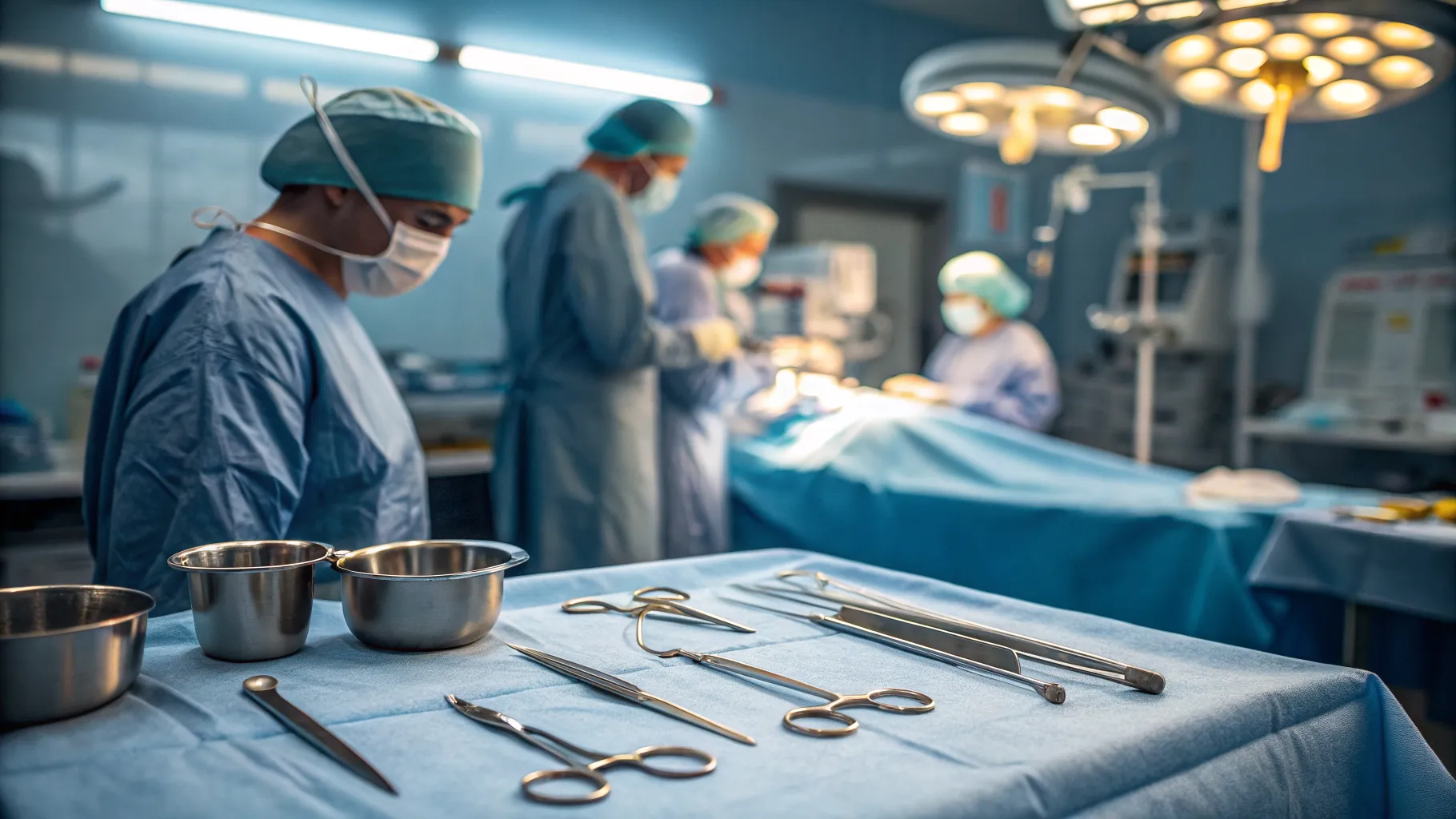
Types of Bladder Cancer Surgical Procedures
The choice of bladder cancer surgery depends heavily on the stage and grade of the cancer. Transurethral Resection of Bladder Tumor (TURBT) is often the initial procedure for superficial, non-muscle-invasive bladder cancer, involving the removal of tumors through the urethra without an external incision. For more aggressive or muscle-invasive cases, a partial cystectomy or radical cystectomy might be necessary. A partial cystectomy involves removing only a portion of the bladder, preserving the rest, and is typically reserved for tumors located in a specific area that allows for sufficient margin. However, for widespread or deeply invasive cancers, a radical cystectomy, which involves the removal of the entire bladder, is often the recommended course of action, significantly impacting recovery expectations.
Understanding Cystectomy and Urinary Diversion
A radical cystectomy is a major surgical undertaking that necessitates the creation of a new way for urine to leave the body, known as a urinary diversion. There are several types of urinary diversion. The ileal conduit is one of the most common, where a piece of the small intestine is used to create a passageway from the ureters to an opening on the abdominal wall, into a stoma bag. Another option is a neobladder, which involves creating a new bladder-like pouch from intestinal tissue and connecting it to the urethra, allowing for more natural urination, though it requires a significant learning curve during post-operative care. Continent cutaneous diversions create an internal pouch with a stoma that is catheterized periodically. Each method has distinct implications for quality of life and recovery expectations, requiring thorough discussion with the surgical team.
Immediate Post-Operative Care and Hospital Stay
The immediate period following bladder cancer surgery is critical for recovery. Patients typically spend several days to a week in the hospital, depending on the complexity of the procedure and their overall health. During this time, pain management is a primary focus, often involving intravenous medications transitioning to oral pain relievers. Nurses and medical staff will meticulously monitor surgical sites for signs of infection and ensure proper drainage from any catheters or stomas. Early ambulation, or getting out of bed and walking, is strongly encouraged to prevent complications such as blood clots and to promote bowel function. Nutritional support, often starting with a liquid diet, will gradually advance to solid foods. The initial phase of post-operative care sets the foundation for longer-term healing.
Managing Recovery Expectations at Home
Once discharged, the focus shifts to managing recovery expectations at home. Patients will receive detailed instructions on wound care, stoma management (if applicable), medication schedules, and activity restrictions. It's common to experience fatigue, discomfort, and emotional adjustments during this period. Gradual resumption of light activities is advised, but strenuous lifting or vigorous exercise should be avoided for several weeks or months. Dietary changes may be necessary, particularly for those with a urinary diversion. Maintaining adequate hydration is vital, and regular follow-up appointments with the surgeon and oncology team are essential to monitor progress and detect any potential issues early. Emotional support from family, friends, or support groups plays a significant role in a holistic recovery.
Potential Complications and Follow-Up Care
While modern bladder cancer surgery is generally safe, potential complications can arise. These may include infection at the surgical site, blood clots, bowel obstruction, leakage from anastomoses (surgical connections), or issues with the urinary diversion. Patients are educated on the signs and symptoms to look for and when to contact their medical team. Long-term follow-up care is paramount, involving regular imaging studies, cystoscopies (if a partial bladder remains), and blood tests to monitor for recurrence of cancer or other late complications. A comprehensive follow-up plan ensures ongoing health and addresses any concerns that may arise years after the initial cystectomy.
Essential Tips for a Smooth Bladder Cancer Recovery
Adhere to Medication Schedules: Strictly follow prescribed pain management, antibiotics, and other medications to prevent complications and manage discomfort effectively. Consistent medication intake is key to robust post-operative care.
Gradual Increase in Activity: Begin with short, gentle walks and slowly increase duration and intensity as your body allows. Avoid heavy lifting or strenuous activities until cleared by your surgeon, respecting your body's specific recovery expectations.
Maintain Hydration and Nutrition: Drink plenty of fluids to aid kidney function and support overall healing. Follow any dietary recommendations, especially if you have a urinary diversion, to prevent issues like constipation or diarrhea.
Monitor Surgical Sites and Stoma: Regularly inspect your incision sites and stoma (if present) for redness, swelling, unusual discharge, or signs of infection. Early detection of issues is vital for effective post-operative care.
Seek Emotional Support: It's normal to experience a range of emotions during recovery. Connect with support groups, family, friends, or mental health professionals to navigate the psychological aspects of recovering from bladder cancer surgery.
Frequently Asked Questions
How long does recovery from bladder cancer surgery typically take?
The recovery period for bladder cancer surgery varies significantly depending on the type of procedure. For a TURBT, recovery might be a few days to weeks. For a radical cystectomy, full recovery can take several weeks to a few months, with ongoing adjustments to daily life, especially with a urinary diversion. Individual health factors also play a role in recovery expectations.
What is the difference between radical cystectomy and partial cystectomy?
A radical cystectomy involves removing the entire bladder, typically for invasive or widespread bladder cancer, and requires a urinary diversion. A partial cystectomy, however, removes only a portion of the bladder, preserving the rest, and is reserved for specific, localized tumors where bladder function can be maintained.
Will I need a urinary diversion after my bladder cancer surgery?
You will need a urinary diversion if you undergo a radical cystectomy, as the entire bladder is removed. If you have a TURBT or a partial cystectomy, a diversion is typically not required, as part or all of your bladder remains intact to store urine.
What are the signs of complications after bladder cancer surgery?
Signs of complications after bladder cancer surgery can include fever, increasing pain not relieved by medication, redness or pus at the incision site, persistent nausea or vomiting, significant changes in urine output, or difficulty with your stoma (if applicable). Promptly contact your medical team if you experience any of these symptoms during your post-operative care.
Can I return to normal activities after a cystectomy?
Most individuals can return to many normal activities after a cystectomy, but it is a gradual process. Strenuous activities, heavy lifting, and certain sports may need to be modified or avoided for a period. Sexual function may also be affected and should be discussed with your healthcare provider. Adjusting to a urinary diversion also requires time and learning.
References
- American Urological Association guidelines on bladder cancer management.
- National Cancer Institute resources on urologic cancers.
- Peer-reviewed studies on post-cystectomy quality of life.
- World Health Organization data on cancer incidence.
- Clinical trial outcomes for bladder cancer treatments.
Authored by MyTrendSpot team