Understanding Cataract Surgery Cost by State in the United States
Facts:
- Cataract surgery is one of the most common procedures globally.
- Costs for cataract surgery cost vary significantly across U.S. states for patients.
Navigating the Landscape of Cataract Surgery Costs Across U.S. States
Understanding the financial implications of medical procedures is crucial, especially for common surgeries like cataract removal. The cataract surgery cost can present a significant financial consideration for many individuals in the United States, and these expenses are not uniform across the nation. Factors such as geographical location, the specific surgical facility, the type of intraocular lens (IOL) chosen, and the extent of insurance coverage all play a pivotal role in determining the final bill. Patients must be prepared to investigate and compare options to manage their potential cataract surgery expenses effectively, as neglecting these details can lead to unexpected out-of-pocket costs.
Key Factors Influencing Cataract Surgery Expenses
Several critical elements contribute to the overall cost of cataract surgery. These elements can fluctuate widely, leading to the notable differences observed in state-by-state pricing. It's essential for patients to understand each component to anticipate and budget for their procedure effectively.
Surgeon's Fees and Experience
The fee charged by the ophthalmic surgeon is a primary driver of the total cataract surgery cost. Highly experienced surgeons or those with specialized expertise in advanced cataract procedures may command higher fees. This fee typically covers the surgeon's professional services, including pre-operative consultations, the surgery itself, and post-operative follow-up care. Geographic location also impacts surgeon's fees, with higher costs often found in metropolitan areas or regions with a higher cost of living.
Facility Charges and Location
The location where the surgery is performed—whether in a hospital outpatient department or an ambulatory surgical center (ASC)—significantly affects the cataract surgery expenses. ASCs generally have lower overheads compared to hospitals, which can translate into reduced facility fees. These charges cover the use of the operating room, surgical equipment, and staff support. Urban centers tend to have higher facility charges than rural areas due to demand and operating costs.
Anesthesia and Post-Operative Care
Anesthesia is another component of the cataract surgery cost. While most cataract surgeries use local anesthesia with sedation, the fees for the anesthesiologist's services are separate. Additionally, the cost of post-operative medications, such as eye drops to prevent infection and reduce inflammation, must be factored into the total expense. Some packages may include these, while others require separate purchases, impacting the overall cost of cataract surgery.
Intraocular Lens (IOL) Options
The choice of intraocular lens (IOL) is a significant determinant of the total cataract surgery cost. Standard monofocal IOLs are typically covered by insurance plans, as they are considered medically necessary. However, premium IOLs, such as toric lenses for astigmatism correction or multifocal/extended depth of focus lenses for presbyopia correction, often incur additional out-of-pocket costs. These advanced lenses offer enhanced visual outcomes but come at a higher price point, directly affecting cataract surgery expenses.
State-by-State Cataract Costs Overview
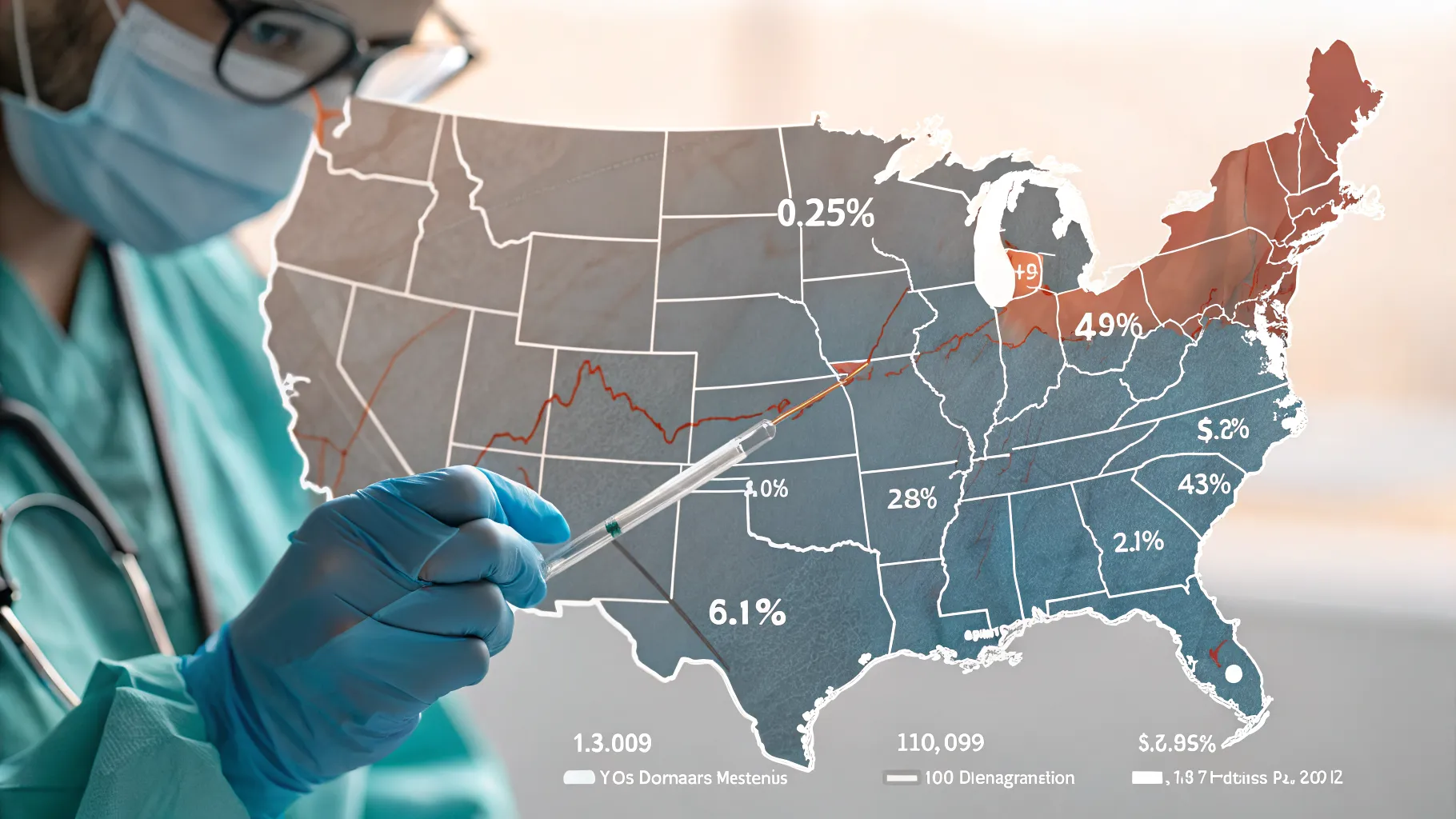
The variation in cataract surgery cost by state in the United States is a complex issue, influenced by a multitude of regional economic factors, healthcare market dynamics, and regulatory environments. Patients often find that states with a higher cost of living, more competitive medical markets, or a greater concentration of specialized surgical centers tend to have higher average prices. For instance, states like New York, California, and Massachusetts frequently report higher median costs for cataract surgery compared to states in the Midwest or Southern regions. This disparity is not solely due to individual surgeon fees but also reflects differing facility charges, insurance reimbursement rates, and local demand for advanced surgical techniques. Understanding these regional discrepancies is vital for individuals considering surgery, particularly if they have the flexibility to travel or seek care in a neighboring state where costs might be more favorable. Researching average costs for cataract surgery in different states can provide valuable insight into potential savings.
The Role of Insurance Coverage for Cataract Surgery
The impact of insurance coverage for cataract surgery cannot be overstated, as it significantly reduces the out-of-pocket burden for most patients. However, the extent of coverage varies greatly depending on the type of insurance plan and the specific components of the surgery.
Medicare Coverage
For individuals aged 65 and older, Medicare is a primary source of insurance coverage for cataract surgery. Medicare Part B typically covers 80% of the approved amount for standard cataract surgery, including the surgeon's fees, facility fees (for ASCs or hospital outpatient), and a conventional intraocular lens. The remaining 20% is the patient's responsibility, along with any deductibles or co-pays. It's important to note that premium IOLs are generally not fully covered, and the patient will pay the difference between the standard and premium lens.
Private Insurance Plans
Private health insurance plans also provide insurance coverage for cataract surgery, though the specifics depend on the individual policy. Most plans will cover medically necessary cataract removal. Patients should review their policy details regarding deductibles, co-insurance, and out-of-pocket maximums. Some plans may offer partial coverage for premium IOLs, while others may not cover them at all, classifying them as elective upgrades.
Understanding Out-of-Pocket Maxima
Regardless of the insurance type, understanding your out-of-pocket maximum is crucial. Once this limit is reached within a policy year, the insurance typically covers 100% of approved costs for the remainder of that year. This cap provides a safeguard against exorbitant cataract surgery expenses, ensuring patients have a maximum liability for their healthcare costs.
Strategies to Manage Cataract Surgery Cost
Managing the cost of cataract surgery requires proactive planning and diligent research. Patients have several avenues to explore to reduce their financial burden without compromising on quality of care.
- Compare Surgeon Fees: Do not hesitate to obtain quotes from multiple ophthalmologists and surgical centers. Fees can vary, even within the same geographical area. Always inquire about what is included in the quoted price, such as pre- and post-operative visits, to get a comprehensive understanding of the cataract surgery cost.
- Discuss Lens Options: Talk extensively with your surgeon about the benefits and costs of different IOLs. While premium lenses offer advanced vision correction, a standard monofocal lens may be perfectly adequate and significantly reduce your out-of-pocket cataract surgery expenses.
- Verify Insurance Benefits: Contact your insurance provider directly to understand your specific benefits for cataract surgery. Ask about deductibles, co-pays, co-insurance, and coverage for facility fees and different IOL types. Clarify any prior authorization requirements to ensure seamless insurance coverage for cataract surgery.
- Explore Payment Plans: Many surgical centers and ophthalmic practices offer financing options or payment plans for the portion of the cost not covered by insurance. These can help spread the cataract surgery expenses over a manageable period.
- Consider Financial Assistance Programs: Some non-profit organizations and pharmaceutical companies offer programs to help eligible patients with the cost of eye care, including surgery. Researching these options can provide much-needed support for individuals facing high cataract surgery costs.
Frequently Asked Questions
What is the average cataract surgery cost without insurance in the U.S.?
Without insurance, the average cataract surgery cost per eye in the U.S. can range from $3,500 to $7,000, but this can vary significantly based on location, surgeon, and the type of IOL selected. This estimate typically includes the surgeon's fee, facility fee, and the cost of a standard intraocular lens.
Does Medicare cover cataract surgery expenses?
Yes, Medicare Part B generally covers 80% of the approved amount for medically necessary cataract surgery, including a conventional IOL. Patients are responsible for the remaining 20% after meeting their deductible. Premium IOLs usually incur additional out-of-pocket costs not covered by Medicare.
How do state-by-state cataract costs differ?
State-by-state cataract costs differ due to variations in the cost of living, regional healthcare market competition, facility operating expenses, and local demand. States with higher living costs like California or New York often have higher surgery prices compared to those in the Midwest or South.
Are premium IOLs covered by insurance coverage for cataract surgery?
Generally, standard insurance coverage for cataract surgery (including Medicare and most private plans) covers only conventional monofocal IOLs. Premium IOLs, such as multifocal or toric lenses, are often considered elective upgrades, and patients typically pay the difference in cost out-of-pocket, as they are not deemed medically necessary for restoring basic vision.
References
- American Academy of Ophthalmology: Cataract Surgery Cost
- Medicare.gov: Cataract Surgery Coverage
- National Eye Institute: Facts About Cataract
- Healthcare.gov: Understanding Your Health Care Costs
- Various State Departments of Health and Human Services Medical Cost Data
Authored by MyTrendSpot team