Choosing the Best Smartwatches for Senior Health Monitoring
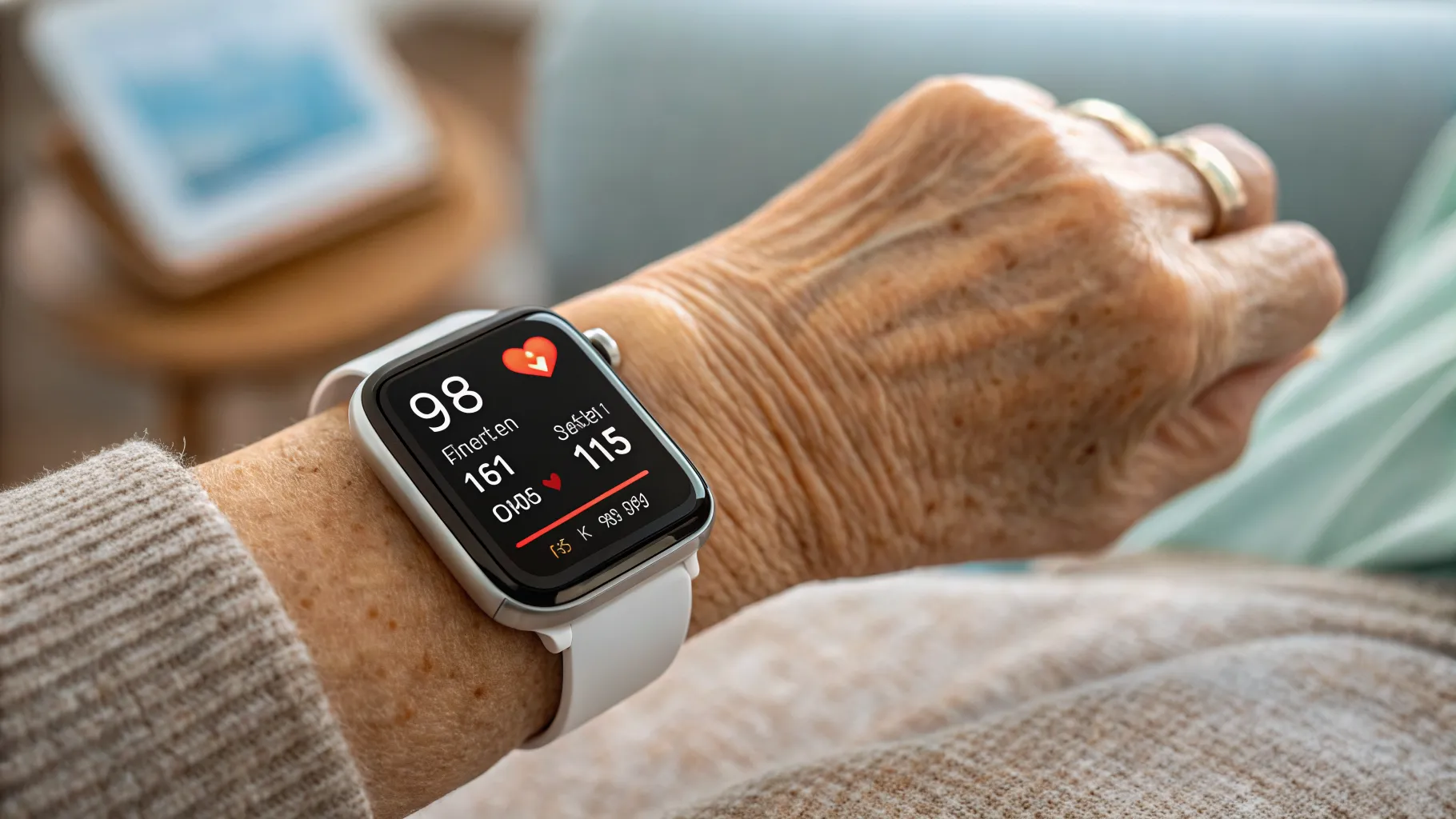
Modern smartwatches are more than just time-telling devices; they are sophisticated health companions, especially beneficial for seniors. These wearable technologies can play a significant role in promoting independence and ensuring safety for older adults, providing continuous monitoring and quick access to assistance when needed. Understanding the range of features available can help individuals and their families make informed decisions about which device best fits their unique lifestyle and health requirements.
Why Smartwatches for Seniors?
For many older adults, maintaining independence and an active lifestyle is a priority. Smartwatches can support these goals by offering subtle yet powerful health oversight. These devices can provide real-time data that might otherwise require more intrusive or infrequent checks, offering a continuous pulse on one's well-being without constant intervention.
Beyond health monitoring, smartwatches can also act as a valuable communication tool, keeping seniors connected to loved ones and emergency services. This constant connection can alleviate concerns for family members, knowing that their elderly relatives have a device capable of summoning help or simply staying in touch, contributing significantly to overall peace of mind.
Key Health Monitoring Features
When considering a smartwatch for senior health, several core health monitoring features stand out as particularly beneficial. These functionalities are designed to track vital signs and potential health incidents, providing alerts or data that can be shared with healthcare providers.
Heart Rate Monitoring: Most smartwatches offer continuous heart rate tracking, which can detect unusually high or low rates and notify the user or a designated contact.
ECG Capabilities: Some advanced models include an electrocardiogram (ECG) app, which can record heart rhythm and check for signs of atrial fibrillation (AFib), a common heart condition in older adults.
Fall Detection: A crucial safety feature, fall detection uses accelerometers and gyroscopes to identify a hard fall and can automatically contact emergency services or predefined contacts if the user is unresponsive.
Blood Oxygen (SpO2) Monitoring: This feature measures the oxygen saturation level in the blood, offering insights into respiratory and circulatory health.
Communication and Safety Aspects
The ability to communicate and ensure safety is paramount for seniors. Smartwatches often integrate features that facilitate easy communication and provide a safety net in various situations.
Many smartwatches offer cellular connectivity, allowing users to make and receive calls directly from their wrist, even without their smartphone nearby. This can be incredibly useful in an emergency or simply for convenience. Family members can feel more secure knowing their loved one is just a button press away from communication.
Furthermore, GPS tracking capabilities are often built into smartwatches. This feature allows family members to locate their loved ones, which can be particularly helpful for seniors prone to wandering or those who might get disoriented. Emergency SOS functions, often activated by a simple press and hold, can send an alert with the user's location to emergency contacts or services, providing a vital layer of protection.
Ease of Use and Design Considerations
For senior users, the practical design and interface of a smartwatch are just as important as its advanced features. A device packed with capabilities but difficult to navigate will likely go unused.
Look for smartwatches with large, clear displays and intuitive navigation. Oversized icons, simplified menus, and customizable watch faces can significantly enhance usability. Physical buttons, rather than relying solely on touchscreens, can also be beneficial for those with dexterity issues or limited vision. The goal is to minimize complexity and maximize accessibility.
Comfort is another vital aspect. A lightweight design and a comfortable, adjustable strap are essential for all-day wear. Materials that are gentle on the skin and easy to clean will contribute to a better user experience. Considering different strap options, such as those made from silicone or woven fabrics, can help find the best fit.
Battery Life and Durability
Practicality for daily use hinges heavily on battery life and the overall durability of the device. A smartwatch that constantly needs recharging can become a burden rather than a help.
Opt for models known for extended battery life, ideally lasting multiple days on a single charge. This reduces the frequency of charging and ensures the device is consistently available for monitoring and communication. Longer battery life also means less worry about the watch dying during the night or when away from home.
Durability is also key. A robust build that can withstand accidental bumps, splashes, or minor drops is important for a device worn daily. Water resistance is a common and highly desirable feature, allowing the watch to be worn during handwashing or light rain without concern, making it more practical for continuous use.
Understanding Data Privacy and Security
As smartwatches collect sensitive personal health data, understanding privacy and security measures is crucial. Users and their families should be aware of how this information is stored and used.
Reputable manufacturers typically adhere to strict data protection protocols, encrypting health data and offering users control over sharing settings. It is important to review the privacy policy of any smartwatch or accompanying app to understand what data is collected, how it is used, and who it might be shared with. Ensuring that data is only accessible to authorized individuals, such as family members or healthcare providers, is paramount.
Furthermore, securing the device itself with passcodes or biometric authentication can prevent unauthorized access if the watch is lost or stolen. Regularly updating the smartwatch's software is also important, as these updates often include security patches that protect against potential vulnerabilities.
What to Consider Before Choosing
Making the right choice involves balancing features with individual needs and comfort. Before making a selection, consider the following points to ensure the smartwatch integrates seamlessly into a senior's life.
Individual Needs: What specific health conditions or safety concerns does the senior have? Prioritize features that directly address these.
Technological Comfort: How comfortable is the senior with technology? Choose a device with an interface that matches their comfort level.
Connectivity: Will the watch need standalone cellular connectivity, or will it always be near a smartphone?
Caregiver Involvement: How easily can caregivers or family members monitor data or receive alerts?
Budget: Smartwatches vary widely in price. Determine a realistic budget that aligns with desired features without overspending on unnecessary functionalities.
By carefully evaluating these aspects, individuals can select a smartwatch that not only monitors health effectively but also enhances independence and provides invaluable peace of mind for everyone involved.
Authored by MyTrendSpot team