Common Signs of Stroke Explained: Recognizing the FAST Stroke Test
Facts:
- A stroke occurs every 40 seconds in the United States.
- Early recognition of stroke signs significantly improves outcomes for stroke patients.
Understanding the Critical Stroke Signs for Rapid Response
Recognizing the common signs of stroke explained can be life-saving. A stroke, often referred to as a brain attack, happens when blood flow to an area of the brain is cut off. Brain cells are deprived of oxygen and begin to die within minutes. Prompt identification of stroke symptoms is crucial for effective treatment and minimizing long-term disability. Every second counts when recognizing stroke; knowing what to look for and acting swiftly can make the difference between recovery and severe impairment.
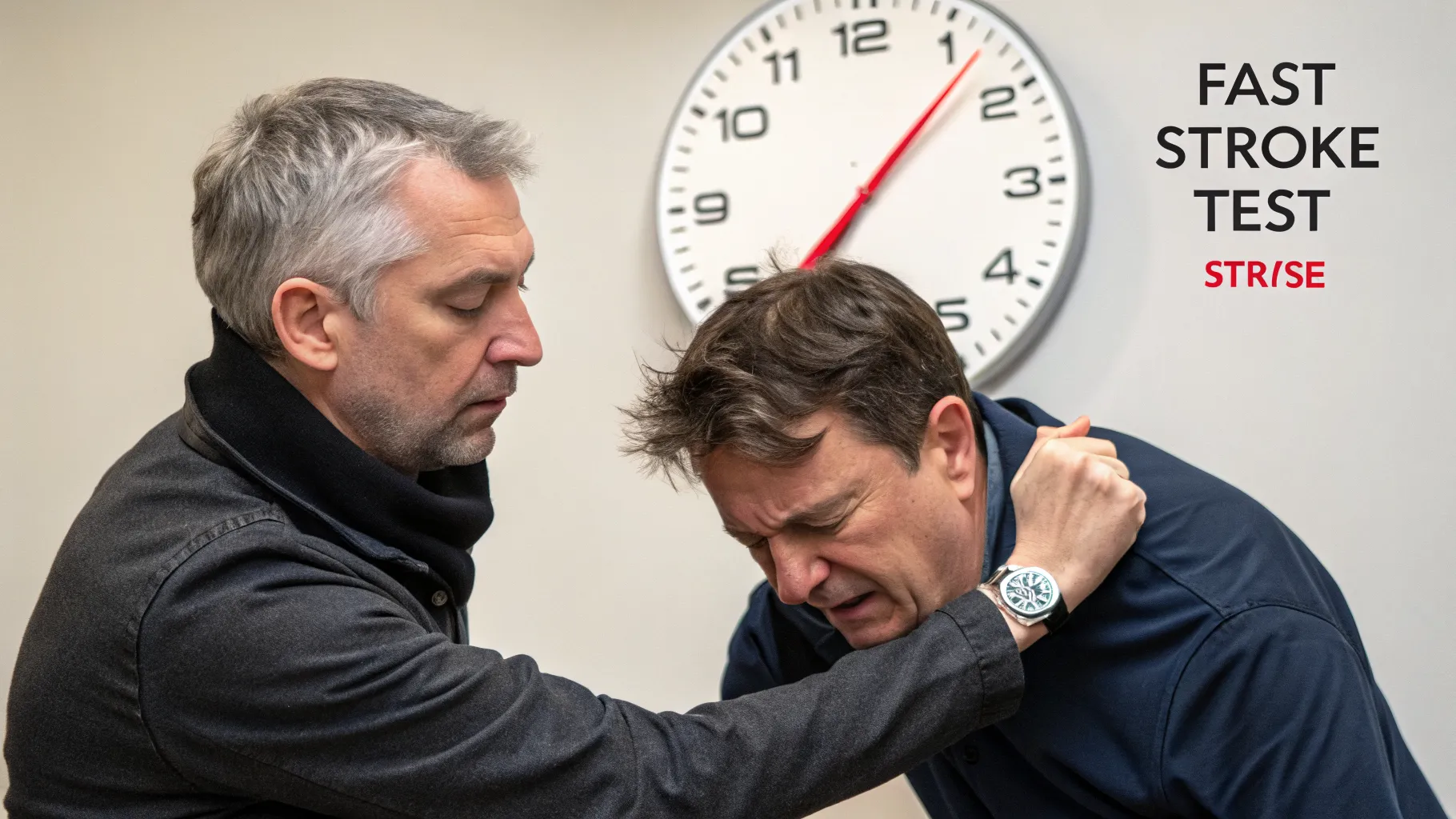
The FAST Stroke Test: Your Immediate Action Guide
The FAST stroke test is a simple yet powerful tool developed to help individuals recognizing stroke symptoms quickly. This acronym represents the most common and visible stroke signs, empowering bystanders and family members to identify a potential brain attack and call for emergency medical help without delay. Understanding each component of FAST is paramount for rapid assessment and response, as timely intervention can significantly alter a patient's prognosis.
Facial Drooping (F)
One of the most telling stroke signs is sudden facial drooping. Ask the person to smile. If one side of their face droops or is numb, this is a strong indicator. This asymmetry is caused by neurological damage affecting the facial nerves. It might be subtle, but even a slight sag can be a critical stroke symptom that warrants immediate attention. Observing the person's natural expression can also provide clues, as one side of their face may appear less animated or completely unresponsive.
Arm Weakness (A)
Another crucial element of the FAST stroke test involves assessing arm strength. Ask the person to raise both arms. If one arm drifts downward or they cannot raise it at all, this suggests muscle weakness or paralysis on one side of the body. This stroke symptom results from damage to the motor cortex in the brain. The inability to maintain an arm in an elevated position, even for a few seconds, can indicate a significant neurological event and is a clear stroke sign requiring emergency care.
Speech Difficulty (S)
Speech changes are common stroke symptoms. Ask the person to repeat a simple sentence. If their speech is slurred, confused, or they have trouble understanding what you're saying, this is a serious stroke sign. This can manifest as dysarthria (slurred speech) or aphasia (difficulty understanding or formulating language), both indicating brain damage. The clarity and coherence of their words can be dramatically affected, making communication challenging and highlighting the urgent need for medical evaluation.
Time to Call (T)
The final and perhaps most critical component of the FAST stroke test is "Time to call 911." If you observe any of these stroke signs, even if they seem to resolve, call emergency services immediately. Do not wait to see if symptoms improve. Time is brain: the faster treatment is initiated, the greater the chance of minimizing long-term disability. Documenting the exact time when stroke symptoms first appeared is invaluable information for medical professionals, guiding treatment decisions such as clot-busting medications.
Beyond FAST: Other Critical Stroke Symptoms to Watch For
While the FAST stroke test covers the most common indicators, other significant stroke symptoms can also signal a brain attack. These additional stroke signs may appear alone or in combination with FAST symptoms, and recognizing stroke in these less typical presentations is equally important for timely intervention. Awareness of these broader indicators ensures a comprehensive understanding of potential neurological emergencies.
One such stroke symptom is a sudden, severe headache with no known cause, often described as the "worst headache of your life." This can indicate a hemorrhagic stroke. Another key stroke sign is sudden confusion or trouble understanding. The person might seem disoriented, struggle to follow conversations, or lose track of their surroundings. Vision problems, such as sudden blurred vision, double vision, or loss of vision in one or both eyes, are also critical stroke symptoms. Additionally, sudden trouble walking, dizziness, loss of balance, or coordination can point to a brain attack, particularly if accompanied by other neurological deficits. Any of these stroke signs warrant immediate emergency medical attention.
The Urgency of Immediate Medical Attention when Recognizing Stroke
The phrase "time is brain" underscores the profound importance of rapid response when recognizing stroke. For every minute a stroke goes untreated, approximately 1.9 million brain cells are lost. This rapid cellular death explains why immediate medical attention is not just recommended but absolutely critical. The narrow window for effective treatments, such as tissue plasminogen activator (tPA) for ischemic strokes or mechanical thrombectomy, closes quickly. Delaying care can lead to more extensive brain damage, increasing the likelihood of severe long-term disabilities or even fatality.
Emergency medical services (EMS) are equipped to stabilize the patient en route to the hospital and notify the stroke team, ensuring that specialized care can begin the moment the patient arrives. This coordinated effort significantly reduces diagnostic and treatment delays. The decision to call 911, rather than driving oneself or waiting, is paramount for ensuring the fastest possible access to life-saving interventions and maximizing the chances of a positive outcome after experiencing stroke signs.
Differentiating Stroke Signs from Other Conditions
Recognizing stroke can sometimes be challenging because some stroke symptoms can mimic those of other neurological or medical conditions. For instance, temporary facial weakness might be caused by Bell's palsy, while severe headaches can stem from migraines or other vascular issues. Dizziness or balance problems might be attributed to inner ear infections. However, the key differentiator for stroke signs is their sudden onset. Unlike many other conditions where symptoms develop gradually, stroke symptoms typically appear abruptly and without warning.
While it is important for medical professionals to make a definitive diagnosis, for the layperson, the safest approach is to treat any sudden onset of neurological symptoms as a potential brain attack. It is always better to err on the side of caution and seek emergency medical evaluation, even if the symptoms turn out to be from a less severe condition. Delaying assessment due to uncertainty can have catastrophic consequences if the cause is indeed a stroke, highlighting the need for prompt action whenever stroke signs are observed.
Reducing Your Risk: Proactive Steps Against Brain Attack
While recognizing stroke and acting quickly are vital, preventing a brain attack in the first place is the ultimate goal. Many risk factors for stroke are modifiable through lifestyle changes and medical management. Taking proactive steps can significantly lower the likelihood of experiencing stroke symptoms and developing associated disabilities. Understanding and addressing these risk factors empowers individuals to take control of their cardiovascular and cerebrovascular health.
Key preventative measures include managing high blood pressure, which is the leading cause of stroke. Regular monitoring and adherence to prescribed medications are crucial. Controlling high cholesterol and diabetes through diet, exercise, and medication also plays a significant role. Adopting a healthy lifestyle, including a balanced diet rich in fruits and vegetables, regular physical activity, and maintaining a healthy weight, contributes greatly to stroke prevention. Quitting smoking and reducing alcohol consumption are also essential, as these habits dramatically increase stroke risk. Regular check-ups with a healthcare provider can help identify and manage potential stroke signs or risk factors early, ensuring a proactive approach to preventing a brain attack.
What to Do When Stroke Signs Appear
Call 911 Immediately: Do not hesitate. Even if symptoms seem mild or fleeting, dial emergency services right away. Inform them that you suspect a stroke.
Note the Time Symptoms Started: This information is critical for emergency responders and doctors, as it helps determine eligibility for time-sensitive treatments.
Do Not Drive Yourself or the Person: Waiting for an ambulance ensures that medical professionals can begin assessment and treatment immediately, and can transport the person to a specialized stroke center.
Do Not Give Food or Drink: A person experiencing a stroke may have difficulty swallowing, which can lead to choking or aspiration pneumonia. Keep them comfortable but do not offer anything by mouth.
Stay Calm and Reassure the Person: A stroke can be frightening. Keeping the person calm and reassuring them that help is on the way can reduce anxiety.
Frequently Asked Questions
Can stroke symptoms appear suddenly and then disappear?
Yes, this is known as a transient ischemic attack (TIA), often called a "mini-stroke." TIAs produce stroke signs similar to those of a full stroke, but symptoms typically last only a few minutes and resolve completely. However, a TIA is a serious warning sign and a medical emergency, indicating a temporary blockage of blood flow to the brain. It significantly increases the risk of a full stroke, so immediate medical evaluation is crucial to identify the cause and implement preventative measures.
Is a brain attack preventable?
While not all strokes are preventable, a significant number are. Many brain attack risk factors, such as high blood pressure, high cholesterol, diabetes, and lifestyle choices like smoking, unhealthy diet, and lack of exercise, can be managed or modified. Regular medical check-ups, adherence to prescribed medications, and adopting a healthy lifestyle are key strategies for reducing your risk of experiencing stroke signs. Proactive prevention is the best defense against stroke.
What is the difference between an ischemic and a hemorrhagic stroke?
An ischemic stroke, which accounts for about 87% of all strokes, occurs when a blood clot blocks an artery that supplies blood to the brain. A hemorrhagic stroke happens when a blood vessel in the brain ruptures, causing bleeding into the brain tissue. While stroke symptoms can be similar for both, the treatments differ significantly. Rapid diagnosis through imaging tests is essential to determine the type of brain attack and guide appropriate medical intervention.
Why is time so critical when recognizing stroke?
Time is critical because brain cells begin to die rapidly when deprived of oxygen during a stroke. The faster a person receives treatment, the greater the chance of minimizing brain damage and preventing long-term disability. Specific treatments like tPA (tissue plasminogen activator) for ischemic strokes have a very narrow time window for effectiveness. Delay in recognizing stroke and seeking help can lead to irreversible damage and poorer outcomes, reinforcing "time is brain."
References
American Stroke Association.
Centers for Disease Control and Prevention.
National Institute of Neurological Disorders and Stroke.
Mayo Clinic.
World Health Organization.
Authored by MyTrendSpot team