Detecting Early Signs of Skin Cancer: A Guide for California Residents
Facts:
- Skin cancer is the most common cancer in the US.
- California residents face higher sun exposure risks for skin cancer.
Understanding Early Detection for California Residents
For individuals residing in the sun-drenched landscapes of California, understanding and recognizing the early signs of skin cancer is not merely advisable but critically important. The constant exposure to intense ultraviolet (UV) radiation significantly elevates the risk for developing various forms of skin cancer, making vigilant self-monitoring and professional screenings essential. This comprehensive guide aims to empower California residents with the knowledge necessary for proactive melanoma detection and the identification of other common skin cancers, emphasizing the unique challenges and preventative measures pertinent to the state's climate and lifestyle.
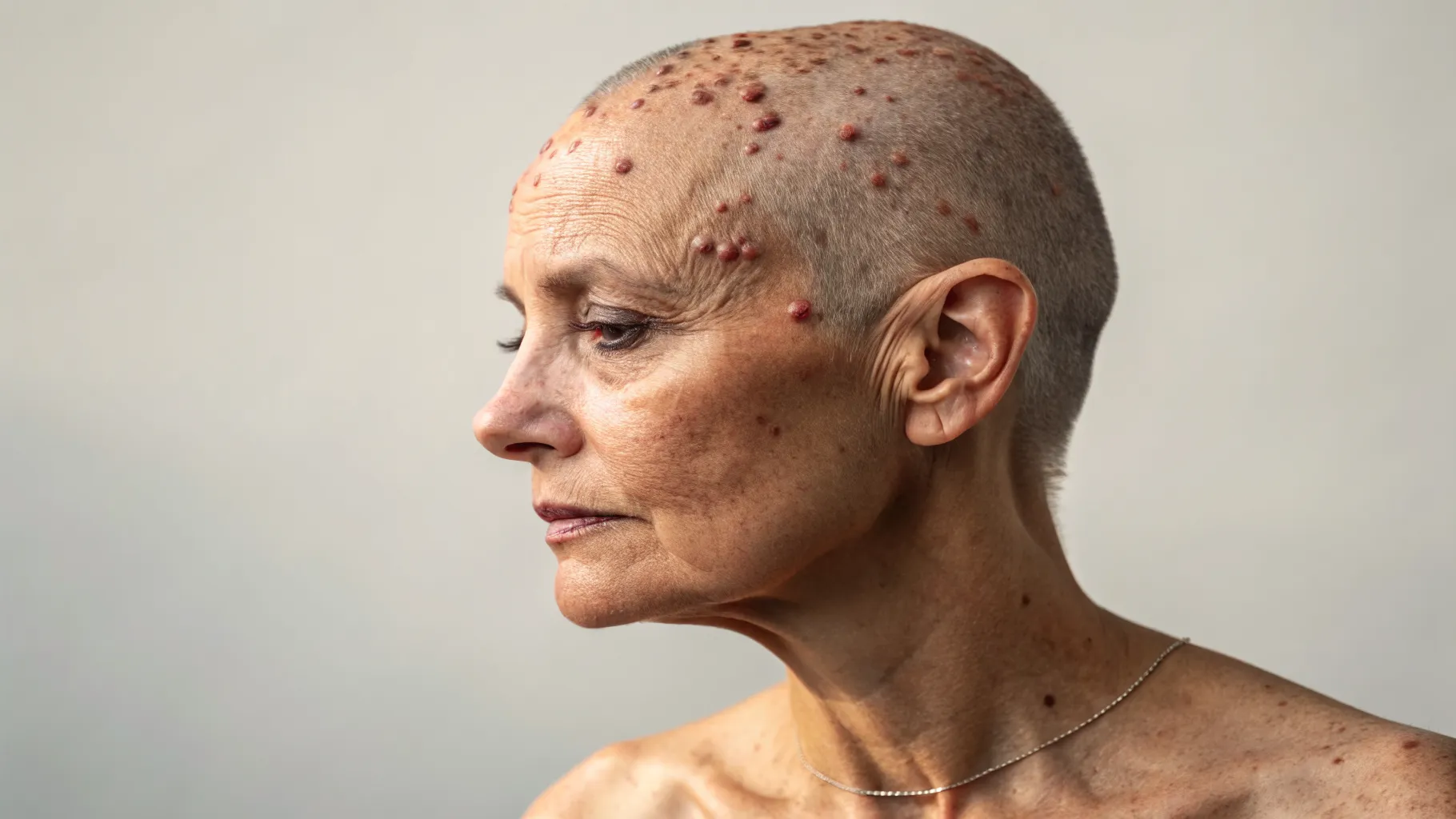
Recognizing Common Types of Skin Cancer
Skin cancer manifests in several forms, each with distinct characteristics and varying degrees of severity. The three most prevalent types are Basal Cell Carcinoma (BCC), Squamous Cell Carcinoma (SCC), and Melanoma. Each of these can present as early signs of skin cancer, and knowing what to look for is paramount, especially for those in high-risk areas like California where persistent sun exposure risks are a daily reality. Understanding the subtle differences can significantly impact early diagnosis and treatment outcomes, mitigating the potential for advanced disease.
Basal Cell Carcinoma (BCC)
Basal Cell Carcinoma is the most common type of skin cancer. It typically appears as a pearly or waxy bump, a flat, flesh-colored or brown scar-like lesion, or a bleeding, scabbing sore that heals and then returns. BCCs often develop on sun-exposed areas such as the face, neck, and arms. While generally slow-growing and rarely spreading to other parts of the body, if left untreated, it can grow larger and invade surrounding tissue, bone, or nerve. Regular self-checks for any new or changing growths are vital for skin cancer California residents.
Squamous Cell Carcinoma (SCC)
Squamous Cell Carcinoma is the second most common type of skin cancer. It often presents as a firm, red nodule, a flat lesion with a scaly, crusted surface, or an open sore that doesn't heal. SCCs are also frequently found on sun-exposed areas like the face, ears, neck, lips, and back of the hands. Unlike BCC, SCC has a higher potential to spread if not treated early, particularly in individuals with compromised immune systems. Identifying these early signs of skin cancer is crucial for timely intervention and improved prognosis.
Melanoma: The Most Serious Form
Melanoma is the most dangerous form of skin cancer due to its potential to metastasize rapidly to other parts of the body if not caught early. It can develop in an existing mole or appear as a new dark spot on the skin. Recognizing the early signs of skin cancer when it pertains to melanoma is a life-saving skill. It's often characterized by irregular borders, varied colors, and an evolving appearance. Given the significant sun exposure risks in California, vigilance for any suspicious lesions that could indicate melanoma is non-negotiable.
The ABCDEs of Melanoma Detection
The ABCDE method is a widely recognized and effective tool for identifying suspicious moles or lesions that could be melanoma, a critical aspect of melanoma detection. Each letter represents a characteristic to observe when performing self-skin examinations. Paying close attention to these criteria for any new or changing mole changes can significantly increase the chances of early diagnosis, which is key for successful treatment of skin cancer California residents might face.
Asymmetry
Most benign moles are symmetrical, meaning if you draw a line through the middle, both halves will match. A suspicious mole, however, often exhibits asymmetry, where one half does not match the other. This lack of uniformity is a crucial indicator when performing self-examinations for early signs of skin cancer.
Border Irregularity
Benign moles usually have smooth, even borders. Melanoma lesions often have borders that are uneven, notched, or blurred. These ragged edges can be an important warning sign of potential malignancy, making careful inspection of all mole changes essential.
Color Variation
A mole with varied colors—different shades of brown, black, tan, or even patches of red, white, or blue—is a strong indicator of melanoma. Uniformly colored moles are generally benign. The presence of multiple colors within a single lesion should prompt immediate concern for melanoma detection.
Diameter
While melanomas can be smaller, a diameter greater than 6 millimeters (about the size of a pencil eraser) is a common characteristic of suspicious moles. Any large or rapidly growing mole should be promptly evaluated by a dermatology California specialist, as it could be among the early signs of skin cancer.
Evolving
The most important factor is evolution, meaning any change in size, shape, color, elevation, or any new symptom such as bleeding, itching, or tenderness. A mole that is changing or looks different from the others on your body is a significant warning sign and should be professionally examined without delay, reinforcing the need for diligent early signs of skin cancer monitoring.
Factors Increasing Skin Cancer Risk in California
California's geographical location and popular outdoor lifestyle contribute significantly to heightened skin cancer California rates. The state experiences abundant sunshine year-round, leading to a consistently high UV index. This, coupled with activities like surfing, hiking, and prolonged outdoor recreation, increases cumulative sun exposure risks for residents. Additionally, certain demographics within California, particularly those with fair skin types, light hair, and a history of severe sunburns, are at an even greater predisposition. The comparison between coastal and inland regions highlights varied risks; coastal areas might benefit from marine layer protection, while inland valleys experience higher peak UV radiation due to clear skies. Regardless of specific location, awareness and preventive actions are paramount for every California resident to mitigate these inherent risks.
Proactive Steps for Skin Health and Early Diagnosis
Taking proactive measures is the most effective way to combat skin cancer California. Regular self-examinations and professional screenings, combined with robust sun protection, form a critical defense against the disease. Implementing these strategies into your routine can drastically improve your chances of early melanoma detection and overall skin health, especially when faced with persistent sun exposure risks.
- Regular Self-Exams: Perform monthly skin checks in a well-lit room, meticulously examining all areas of your body, including the scalp, soles of your feet, and between fingers and toes. Pay close attention to any new growths, non-healing sores, or existing mole changes, noting their size, shape, color, and texture. Consistent self-monitoring is a cornerstone of early detection.
- Professional Dermatological Screenings: Schedule annual full-body skin exams with a qualified dermatology California specialist. These professionals are trained to identify subtle indicators that might be missed during self-examinations, utilizing advanced tools like dermatoscopes. For individuals with a personal or family history of skin cancer, more frequent check-ups may be advised.
- Sun Protection Strategies: Implement a multi-faceted approach to sun protection. This includes consistently applying broad-spectrum sunscreen with an SPF of 30 or higher, wearing protective clothing such as wide-brimmed hats and UV-blocking apparel, and seeking shade, especially during peak UV hours (typically 10 a.m. to 4 p.m.). Avoid tanning beds entirely, as they significantly increase sun exposure risks.
- Understanding Your Skin: Familiarize yourself with your skin type, its natural response to sun exposure, and your family history of skin cancer. Individuals with numerous moles, atypical moles, or a family history of melanoma should be particularly vigilant and communicate these factors to their dermatology California provider.
The Importance of Immediate Action on Suspicious Lesions
Should you discover any suspicious lesions or observe any significant mole changes during your self-exams, it is imperative to seek professional medical evaluation without delay. Procrastination can allow skin cancer, particularly melanoma, to progress, making treatment more challenging and potentially compromising outcomes. A prompt consultation with a dermatology California specialist ensures that any early signs of skin cancer are accurately diagnosed and appropriate treatment can commence swiftly. This immediate action is a crucial component of effective melanoma detection and overall positive health outcomes for California residents.
Frequently Asked Questions
What are the most common early signs of skin cancer in California residents?
The most common early signs include new or changing moles (asymmetry, irregular borders, varied color, large diameter, evolving), non-healing sores, and pearly or waxy bumps. Due to high sun exposure risks in California, vigilance for these changes is particularly important.
How often should I check myself for mole changes?
It is recommended to perform a thorough self-examination of your skin monthly. This helps you become familiar with your normal skin and quickly identify any new or changing lesions, which are often the early signs of skin cancer.
Is annual dermatology California check-up truly necessary for everyone?
While annual check-ups are highly recommended for everyone, they are especially crucial for individuals with a history of excessive sun exposure, numerous moles, atypical moles, or a family history of skin cancer. A professional can identify subtle indicators often missed during self-exams.
References
- American Academy of Dermatology Association
- Skin Cancer Foundation
- National Cancer Institute
- Centers for Disease Control and Prevention
- California Department of Public Health
Authored by MyTrendSpot team