Discovering Government Auctioned Accessible Vans for Sale in the United States
Facts:
- Government auctioned accessible vans offer significant savings.
- Demand for disability mobility vehicles is steadily increasing for disabled individuals.
Navigating the World of Government Auctioned Accessible Vans in the United States
The search for affordable and reliable mobility solutions often leads individuals to explore various avenues. For many, the prospect of acquiring a specialized vehicle can be daunting due to high costs. However, a less-explored but highly valuable option exists: government auctioned accessible vans. These vehicles, often previously used by federal or state agencies, are frequently sold at competitive prices through public auctions. Understanding the process of locating, evaluating, and purchasing these accessible vans for sale can unlock significant opportunities for individuals and families requiring specialized transportation for disability mobility. This guide delves into the intricacies of these auctions, offering a comprehensive overview of how to secure a high-quality, cost-effective vehicle.
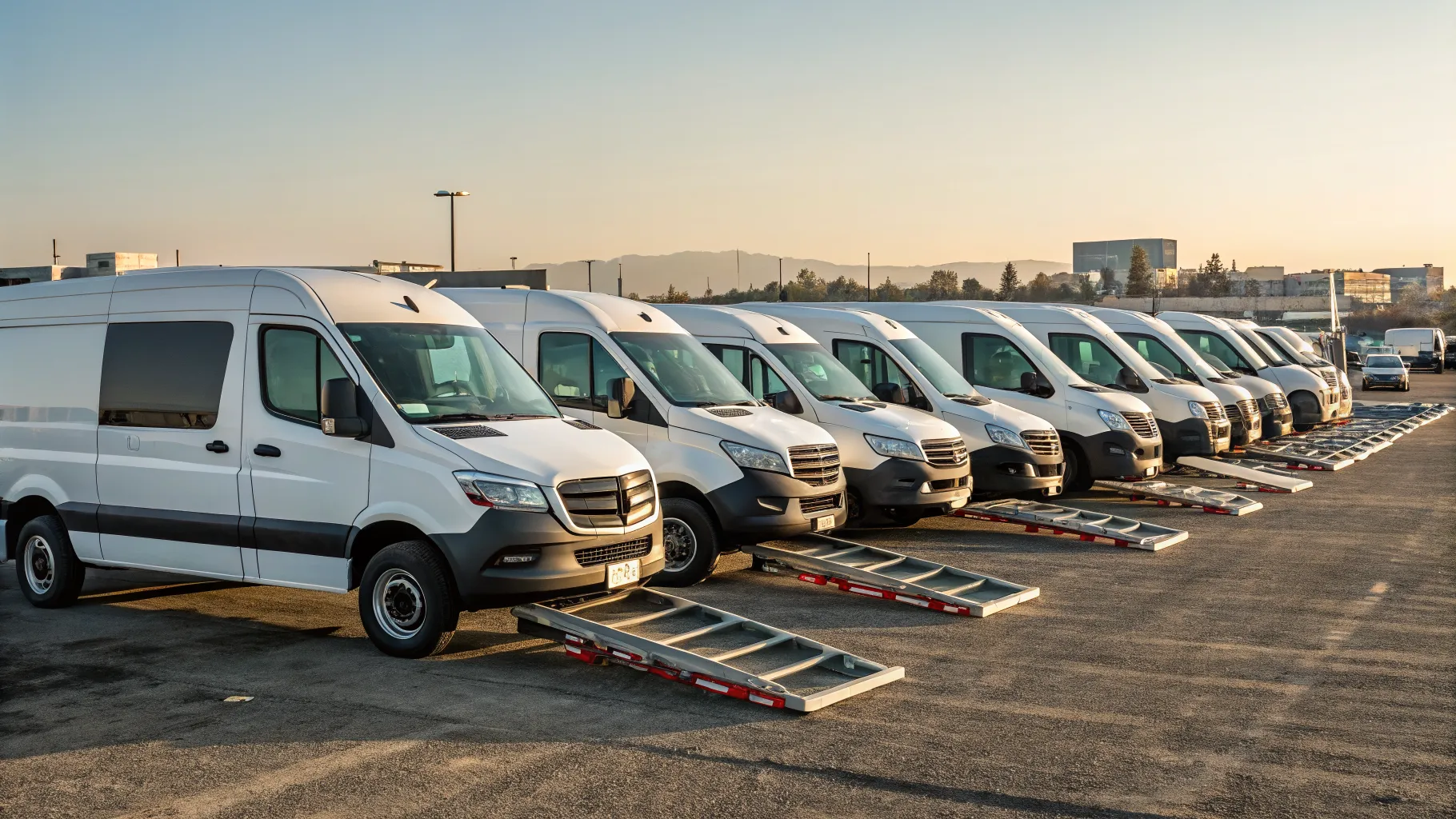
Unearthing Opportunities: Where to Find Government Accessible Van Auctions
Locating government auctioned accessible vans requires a strategic approach, as these sales are not always broadly advertised through conventional channels. The primary sources for these auctions include federal, state, and local government surplus programs. Federal agencies such as the General Services Administration (GSA) regularly liquidate their fleet vehicles, which often include a range of specialized vans. The GSA Auctions website is a crucial starting point, listing thousands of items, including vehicles, from various federal entities. These listings typically provide detailed information about the vehicle's condition, mileage, and service history. State and local government entities, including departments of transportation, police departments, and public health services, also frequently decommission their disability mobility vehicles. These sales are often managed through local municipal auction websites or dedicated state surplus property divisions. Prospective buyers should explore these official governmental portals and sign up for email notifications to stay informed about upcoming auctions. Furthermore, third-party auctioneers specializing in government surplus often partner with these agencies to facilitate sales, making their platforms another essential resource for finding wheelchair accessible vans.
The Benefits of Opting for Government Auctioned Accessible Vans
Choosing to purchase government auctioned accessible vans presents several compelling advantages over buying from traditional dealerships or private sellers. Firstly, the cost savings can be substantial. Vehicles sold through government auctions are typically priced significantly lower than their retail counterparts, often reflecting their used status and the volume-driven nature of surplus sales. This affordability makes specialized transportation more accessible to a wider demographic. Secondly, government vehicles are generally well-maintained. Federal and state agencies adhere to strict maintenance schedules and service protocols to ensure their fleets remain operational and safe. This often means that even though the vehicles have accumulated mileage, their mechanical integrity is usually sound, with comprehensive service records available for inspection. Lastly, the transparency of the auction process is a key benefit. Buyers can often inspect vehicles prior to bidding, review maintenance histories, and are provided with detailed descriptions, reducing the risk of unexpected issues. This level of disclosure, coupled with the potential for lower prices, makes these auctions an attractive option for finding quality accessible vans for sale.
Key Considerations When Evaluating Accessible Vans for Sale
While the allure of cost savings is strong, prospective buyers of government auctioned accessible vans must conduct thorough due diligence. The first critical step is physical inspection. Wherever possible, personally examine the vehicle or hire a trusted mechanic to do so. Pay close attention to the mobility conversion equipment, such as ramps, lifts, and tie-downs, as these can be complex and expensive to repair or replace. Ensure all components are in working order and meet current safety standards. Beyond the specialized equipment, assess the general condition of the van: engine performance, transmission, brakes, tires, and bodywork. Scrutinize the vehicle's history report, which often accompanies auction listings, for any major accidents, flood damage, or significant repairs. Mileage, while a factor, should be considered in conjunction with the maintenance records; a high-mileage government vehicle with meticulous service history can often be a better investment than a lower-mileage private sale with an unknown past. Understanding the specific needs of the user, whether it's a side-entry ramp, a rear-entry lift, or specific seating configurations, is paramount to finding the right wheelchair accessible vans that truly meet daily requirements.
Navigating the Auction Process: Tips for Successful Bidding
Participating in government vehicle auctions can be straightforward once you understand the basic mechanics. Most auctions, especially online ones like GSA Auctions, require prior registration. Familiarize yourself with the auction platform's rules, terms, and conditions, including payment methods, pick-up procedures, and any buyer's premiums. Before bidding, set a firm budget. This budget should encompass not only the maximum bid price but also potential costs for transportation, any necessary repairs or modifications, registration, taxes, and insurance. It's crucial not to get caught up in the excitement of bidding and exceed your financial limits. When evaluating an item, use all available information, including photos, descriptions, and inspection reports. If a physical inspection is possible, take full advantage of it. During the bidding phase, remain calm and strategic. Online auctions often use proxy bidding, where you set a maximum amount, and the system bids incrementally on your behalf. For live auctions, observe the pace and other bidders. Remember that the goal is to acquire a suitable disability mobility vehicle, not just to win a bid. Patience and discipline are key to successfully securing surplus government vehicles that truly represent value.
Post-Purchase Steps for Your New Accessible Van
Once you've successfully acquired one of the government auctioned accessible vans, there are several important steps to ensure a smooth transition to ownership and use. The immediate priority is typically arranging for vehicle pickup or transportation. Auction sites often have strict deadlines for vehicle removal, and failure to comply can result in storage fees or even forfeiture. Next, focus on registration and titling. You will need the bill of sale and title (if applicable, as some states may have different procedures for surplus vehicles) from the auction. Consult your local Department of Motor Vehicles (DMV) or equivalent agency for specific requirements in your state. Insurance is another critical component; ensure you have appropriate coverage before driving the van. It is also highly recommended to have a post-purchase inspection by a mechanic specializing in mobility vehicles. This can identify any latent issues or suggest preventative maintenance that will prolong the life of your wheelchair accessible vans. Finally, consider any necessary customizations or modifications to perfectly tailor the van to the user's specific needs, ensuring maximum comfort, safety, and independence. Investing in these post-purchase steps ensures that your acquisition of an accessible van for sale truly serves its purpose for years to come.
Frequently Asked Questions
Are government auctioned accessible vans reliable?
Many government auctioned accessible vans are considered reliable because government agencies typically adhere to rigorous maintenance schedules and keep detailed service records. While they are used vehicles, their operational history is often more transparent and consistent than vehicles from other sources. Always review maintenance records and conduct a pre-purchase inspection to verify reliability.
How can I find upcoming auctions for disability mobility vehicles?
To find upcoming auctions for disability mobility vehicles, you should regularly check federal sites like GSA Auctions, as well as individual state and local government surplus property websites. Many governments also partner with third-party auctioneers, so checking their specialized websites can also yield results. Signing up for email alerts on these platforms is highly recommended to receive notifications about new listings.
What is the typical price range for wheelchair accessible vans at government auctions?
The price range for wheelchair accessible vans at government auctions can vary significantly based on the vehicle's age, mileage, condition, the type of mobility conversion, and overall demand. However, they are generally sold below market value compared to retail or private sales. It's common to find good deals, but specific prices depend heavily on the individual auction and vehicle.
Can I inspect a van before bidding on accessible vans for sale?
Yes, in most cases, you can inspect a van before bidding on accessible vans for sale at government auctions. Auction listings usually specify inspection periods or provide detailed descriptions and photographs. It is always highly recommended to inspect the vehicle in person or arrange for a qualified mechanic to do so, especially for specialized mobility equipment.
What should I look for in the mobility conversion when buying surplus government vehicles?
When looking at the mobility conversion in surplus government vehicles, carefully inspect the ramp or lift for functionality, signs of wear, and structural integrity. Check all tie-downs, safety belts, and adaptive seating for proper operation and any damage. Ensure the conversion meets current safety standards and that all electronic components are working correctly. It's crucial to verify that the conversion type (e.g., side-entry, rear-entry, manual, automatic) suits the user's specific needs.
References
- General Services Administration (GSA) Fleet Vehicle Sales Data
- National Mobility Equipment Dealers Association (NMEDA) Guidelines
- State Department of Motor Vehicles (DMV) Vehicle Titling Regulations
- Vehicle Maintenance Protocols for Government Agencies
Authored by MyTrendSpot team