Understanding Early Signs of Skin Cancer: A Guide to Recognizing Melanoma Symptoms
Fast Facts:
- Annual skin check can significantly improve prognosis.
- Incidence of melanoma symptoms trending higher for younger adults.
Deciphering the Initial Skin Cancer Signs on Your Body
Recognizing the early signs of skin cancer is paramount for timely diagnosis and effective treatment. Skin cancer, including its most dangerous form, melanoma symptoms, often presents subtly at first, making awareness and regular self-examination critical. This comprehensive guide will illuminate the key indicators to look for, empowering you to identify potential issues and seek medical attention promptly.
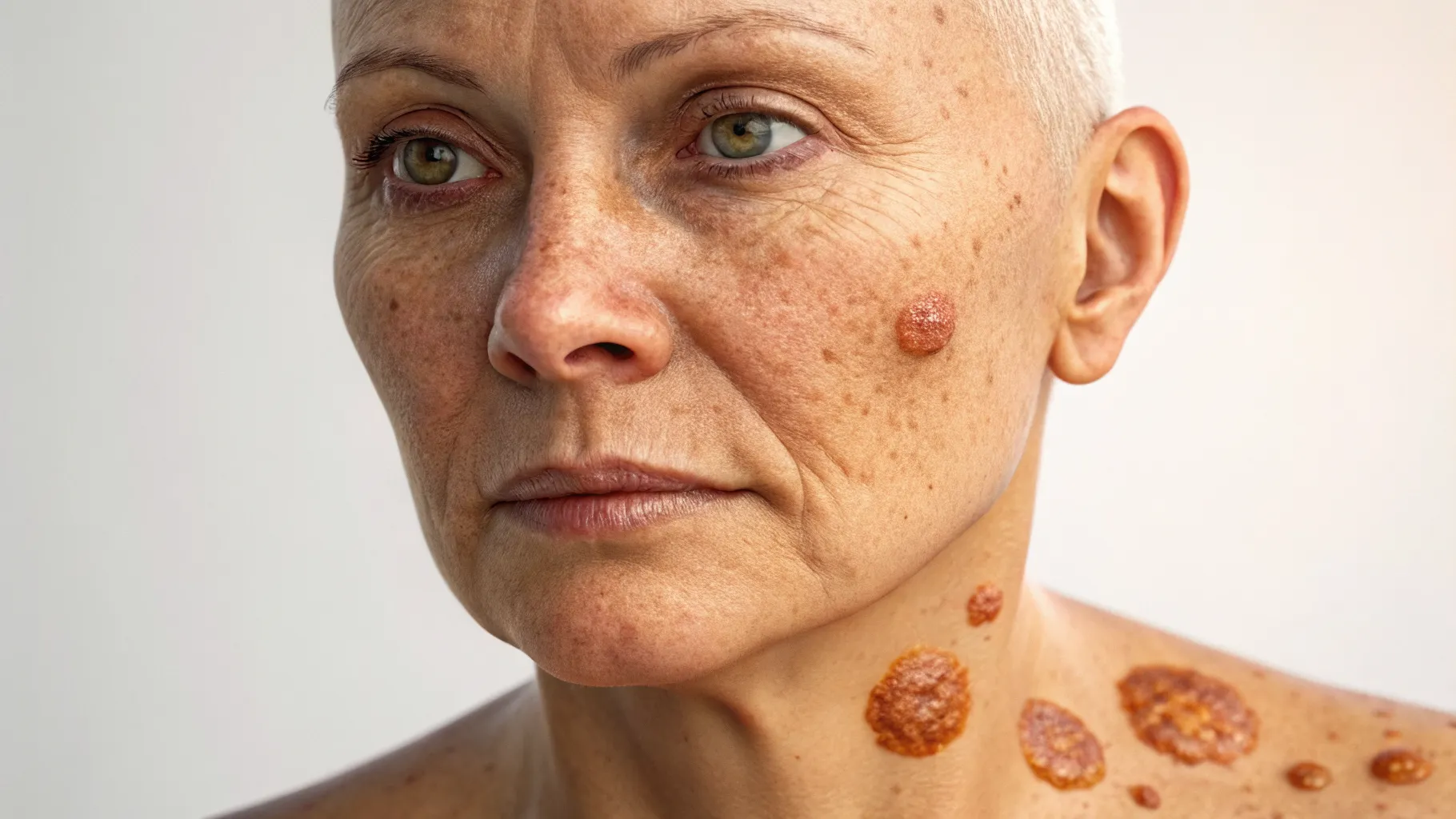
The ABCDEs of Melanoma Symptoms and Other Skin Cancer Signs
The universally recognized ABCDE rule is a powerful tool for self-assessment, particularly for identifying potential melanoma symptoms. While not exhaustive for all skin cancer signs, it provides a foundational framework to evaluate moles and pigmented lesions for suspicious characteristics. Understanding each component of the ABCDEs can significantly enhance your ability to spot concerning changes early.
Asymmetry: Irregular Shapes
A normal mole or freckle is typically symmetrical, meaning if you were to draw a line through it, both halves would match. However, one of the primary early signs of skin cancer is asymmetry. If a mole exhibits two very different-looking halves, it should be a cause for concern. This irregularity suggests uncontrolled growth, a hallmark of cancerous cells. Pay close attention during your skin check to any moles that do not appear uniform.
Border: Uneven and Scalloped Edges
Benign moles usually have smooth, well-defined borders. In contrast, a jagged, notched, or blurred border is a significant indicator among melanoma symptoms. These uneven edges can signify that the cancerous cells are spreading irregularly into the surrounding skin, making it a critical skin cancer sign to watch for. Carefully examine the perimeter of any existing or new lesions for such irregularities.
Color: Varied Hues and Shades
A single, consistent color is characteristic of most benign moles. When a mole displays a variety of colors within the same lesion—such as shades of brown, black, red, white, or blue—it's a strong indicator of potential malignancy. This multi-colored appearance is a clear early detection skin cancer warning sign, reflecting different stages and types of pigment-producing cells within the growth. Any mole that is not uniformly colored warrants immediate professional evaluation.
Diameter: Larger Than 6mm
While early melanomas can be smaller, a diameter greater than 6 millimeters (about the size of a pencil eraser) is generally considered a concerning skin cancer sign. Rapid growth in size, even if initially smaller, is also a critical red flag. Regularly measuring moles can help track changes, making this a vital part of your routine skin check. Though size alone isn't definitive, larger moles with other irregular features should always be assessed.
Evolving: Changing Over Time
The "E" for Evolving is arguably the most crucial of the ABCDEs, as it encompasses any change in a mole's appearance, including size, shape, color, elevation, or any new symptoms like itching, tenderness, bleeding, or crusting. A mole that is evolving or changing is the most significant early sign of skin cancer. Regularly monitoring your skin for any such transformations is key to early detection skin cancer, as even small, seemingly innocuous changes can be significant.
Beyond Melanoma: Other Skin Cancer Signs to Monitor
While melanoma is often highlighted due to its aggressive nature, other forms of skin cancer like basal cell carcinoma (BCC) and squamous cell carcinoma (SCC) are far more common and also exhibit distinct skin cancer signs. These types of cancer often present differently from the pigmented lesions associated with melanoma, making it important to be aware of their unique characteristics. Recognizing these varying presentations is crucial for comprehensive early detection skin cancer.
Basal Cell Carcinoma (BCC) Indicators
Basal cell carcinoma, the most common type of skin cancer, often appears as a pearly or waxy bump, frequently on sun-exposed areas like the face, neck, and ears. Other early signs of skin cancer for BCC include a flat, flesh-colored or brown lesion that resembles a scar, or a bleeding, scabbing sore that heals and then returns. These lesions might have a slightly raised, rolled border and tiny visible blood vessels within them, known as telangiectasias. Any persistent non-healing sore should prompt a professional skin check.
Squamous Cell Carcinoma (SCC) Symptoms
Squamous cell carcinoma typically presents as a firm, red nodule or a flat lesion with a scaly, crusty surface. These growths can appear anywhere on the body, but are most common on sun-exposed skin. They may also resemble an open sore, grow rapidly, and can be tender or painful. A persistent scaly patch that doesn't resolve with moisturizers or over-the-counter creams could be an early sign of skin cancer related to SCC. Like BCC, any lesion that bleeds easily or doesn't heal should be evaluated.
Importance of Regular Skin Check and Professional Screening
Self-examination is a vital first step, but it should be complemented by professional dermatological screenings. Dermatologists are trained to identify subtle skin cancer signs that might be overlooked during a self-check. They use specialized tools, such as dermatoscopes, to examine moles and lesions in detail, providing a more accurate assessment. Regular professional skin check appointments are especially crucial for individuals with a history of sunburns, extensive sun exposure, a family history of skin cancer, or numerous abnormal moles.
The frequency of these professional screenings often depends on an individual's risk factors. For some, an annual check-up might suffice, while others with higher risks may require more frequent visits. Discussing your personal risk profile with a dermatologist can help determine the most appropriate schedule for your early detection skin cancer efforts. Don't underestimate the power of early intervention; many forms of skin cancer are highly curable when caught early.
What to Do If You Spot Abnormal Moles or Concerns
Discovering an abnormal mole or other suspicious skin cancer signs can be unsettling, but it’s important to remain calm and take proactive steps. The first and most critical action is to schedule an appointment with a dermatologist or your primary care physician promptly. Avoid self-diagnosis or delaying professional evaluation, as timely assessment is paramount for early detection skin cancer. Documenting the characteristics of the suspicious lesion, including its size, color, shape, and any changes over time, can be helpful information for your doctor.
During your appointment, the doctor will examine the lesion, often using a dermatoscope. If there's suspicion of cancer, a biopsy will likely be performed, which involves removing a small sample of the tissue for laboratory analysis. This procedure is usually quick and minimally invasive. Remember, not all abnormal moles are cancerous, but only a medical professional can provide a definitive diagnosis. Taking swift action significantly improves outcomes for any potential melanoma symptoms or other skin cancers.
Prevention and Risk Reduction Strategies
While recognizing early signs of skin cancer is critical, preventing their development in the first place is equally important. Sun exposure is the leading cause of most skin cancers, making sun protection a cornerstone of prevention. This involves a multi-faceted approach to minimize UV radiation damage throughout the year, not just during summer months. Incorporating these practices into your daily routine can drastically reduce your risk of developing abnormal moles and other concerning skin lesions.
- Seek Shade: Limit direct sun exposure, especially between 10 a.m. and 4 p.m. when UV rays are strongest. Using natural shade or creating it with umbrellas can significantly reduce your exposure to harmful radiation, thereby mitigating the risk of developing skin cancer signs.
- Wear Protective Clothing: Opt for long-sleeved shirts, long pants, and wide-brimmed hats made from UV-protective fabric. This physical barrier provides excellent protection against the sun's rays, reducing the likelihood of developing new abnormal moles or exacerbating existing ones.
- Apply Sunscreen Generously: Use a broad-spectrum sunscreen with an SPF of 30 or higher, even on cloudy days. Reapply every two hours, or more often if swimming or sweating. Consistent use of sunscreen is a fundamental step in preventing the cellular damage that can lead to early detection skin cancer concerns.
- Avoid Tanning Beds: Tanning beds emit harmful UV radiation and significantly increase the risk of skin cancer. There is no such thing as a "safe" tan from a tanning bed. Eliminating their use is crucial for reducing your risk of melanoma symptoms.
- Regular Self-Exams: Perform monthly self-examinations of your skin, ideally in a well-lit room using a full-length mirror and a hand-held mirror for hard-to-see areas. Familiarize yourself with all your moles, freckles, and blemishes to easily spot any new growths or changes in existing ones, which are vital for early detection skin cancer.
Frequently Asked Questions
Can early signs of skin cancer be mistaken for benign conditions?
Yes, sometimes early signs of skin cancer can resemble benign conditions such as common moles, age spots, or even warts. This is why professional evaluation by a dermatologist is crucial. They possess the expertise and diagnostic tools to differentiate between harmless lesions and potentially cancerous growths, ensuring accurate diagnosis and early detection skin cancer when needed.
How often should I perform a self-skin check?
It is generally recommended to perform a self-skin check once a month. This regular practice helps you become familiar with your skin's normal appearance, making it easier to notice any new growths or changes to existing moles that could be abnormal moles or melanoma symptoms. A consistent routine is key for early detection skin cancer efforts.
Are all abnormal moles cancerous?
No, not all abnormal moles are cancerous. Many moles can appear irregular in shape or color but are benign. However, any mole that fits the ABCDE criteria for concern or that is changing rapidly should be evaluated by a dermatologist to rule out skin cancer signs. It's always better to be safe than sorry when it comes to potential early signs of skin cancer.
What are the risk factors for developing skin cancer signs?
Key risk factors for developing skin cancer signs include excessive exposure to ultraviolet (UV) radiation from the sun or tanning beds, a history of sunburns, fair skin, light-colored eyes, red or blond hair, a large number of moles, atypical moles, a family history of skin cancer, and a weakened immune system. Understanding these factors can help individuals prioritize early detection skin cancer and preventative measures.
References
- American Academy of Dermatology Association. Skin Cancer.
- National Cancer Institute. Skin Cancer (Including Melanoma).
- Mayo Clinic. Skin cancer: Symptoms and causes.
- Skin Cancer Foundation. Early Detection and Self-Exams.
- Centers for Disease Control and Prevention. What Are the Risk Factors for Skin Cancer?
Authored by MyTrendSpot team