Effective Chronic Back Pain Management Methods in the United States
Facts:
- Back pain affects millions globally, significantly impacting quality of life.
- Growing adoption of integrated treatment plans for chronic back pain management.
Understanding Top Chronic Back Pain Management in the United States
Chronic back pain management is a complex and highly individualized journey that requires a multifaceted approach in the United States. It encompasses a wide array of strategies designed not only to alleviate pain but also to improve functionality and overall quality of life. From conservative measures like lifestyle adjustments and non-pharmacological treatments to advanced medical interventions, understanding the available options is crucial for individuals seeking relief. The goal is to move beyond mere symptom suppression, addressing the underlying causes and empowering patients with tools for long-term well-being.
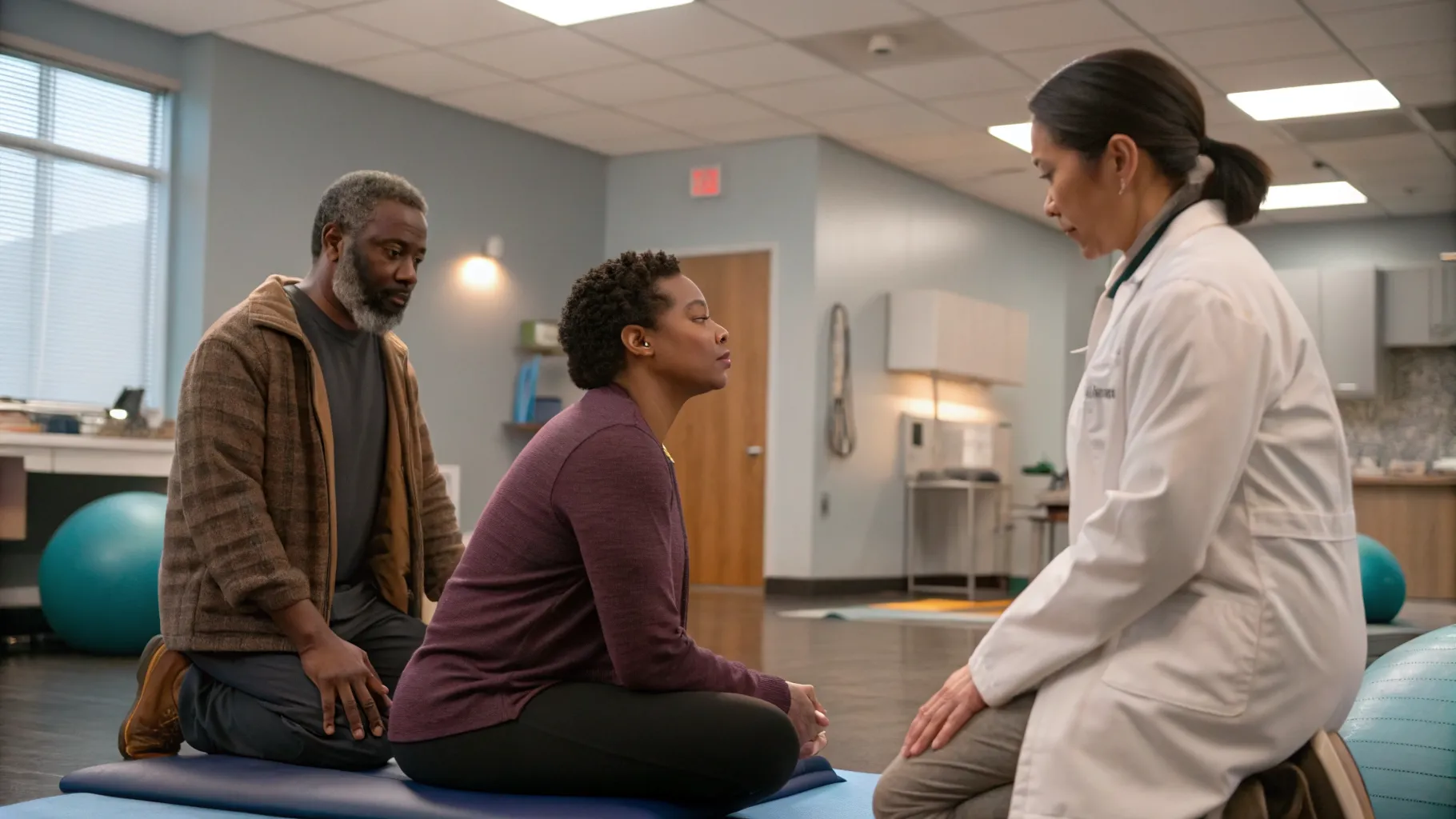
Conventional Non-Pharmacological Treatments
Many individuals begin their journey to manage chronic back pain with conventional non-pharmacological treatments. These methods focus on natural recovery and strengthening the body's own defense mechanisms against pain. The emphasis is often on proactive engagement from the patient, fostering habits that support spinal health and reduce pain intensity. The commitment to these treatments is key for long-term success in chronic back pain management.
Physical Therapy and Exercise
Physical therapy for back pain is often the cornerstone of non-pharmacological treatment. A trained physical therapist develops a personalized program incorporating stretching, strengthening exercises, and postural correction. These exercises aim to improve flexibility, build core strength, and teach proper body mechanics to prevent future injury. Consistent adherence to physical therapy can significantly reduce pain and improve functional mobility, making it an indispensable part of any comprehensive chronic back pain management plan.
Heat, Cold, and TENS Therapy
Applying heat or cold can provide temporary relief from back pain by reducing inflammation and muscle spasms. Heat therapy, such as warm baths or heating pads, relaxes muscles and improves blood flow. Cold therapy, like ice packs, numbs the area and reduces swelling. Transcutaneous Electrical Nerve Stimulation (TENS) therapy uses low-voltage electrical current to block pain signals and release endorphins, offering another non-invasive option for chronic back pain management, often used in conjunction with other therapies.
Pharmacological Approaches to Pain Relief
When non-pharmacological methods alone are insufficient, medication can play a supportive role in chronic back pain management. These treatments are typically prescribed based on the type and severity of pain, aiming to reduce discomfort and allow for greater participation in rehabilitative therapies. Careful consideration of side effects and long-term efficacy is paramount.
Over-the-Counter and Prescription Medications
Initially, healthcare providers may recommend over-the-counter pain relievers like NSAIDs (nonsteroidal anti-inflammatory drugs) or acetaminophen. If these are ineffective, prescription medications such as muscle relaxants, neuropathic pain medications (e.g., gabapentin, pregabalin), or short-term opioids may be considered. These medications help manage pain symptoms, allowing patients to engage more effectively in physical therapy for back pain and other active treatments. The use of opioids for chronic back pain management is increasingly scrutinized due to addiction risks, with guidelines advocating for their judicious and short-term use.
Minimally Invasive and Interventional Procedures
For individuals with persistent severe pain that does not respond to conservative treatments, interventional pain procedures may offer significant relief. These treatments involve directly targeting the source of pain, often guided by imaging techniques, to provide more localized and potent pain relief. These are considered a crucial part of specialized chronic back pain management.
Injections and Nerve Blocks
Epidural steroid injections, nerve blocks, and facet joint injections are common interventional pain procedures. These involve injecting anti-inflammatory medication or numbing agents directly into the affected area of the spine. While typically providing temporary relief, they can offer a window for patients to more effectively participate in physical therapy for back pain and strengthen their core. Radiofrequency ablation is another technique that uses heat to disable nerves responsible for transmitting pain signals, offering longer-lasting relief for specific types of chronic back pain.
Complementary and Alternative Therapies
A growing number of individuals are exploring complementary and alternative medicine (CAM) as part of their holistic approaches to back pain. These therapies often focus on the mind-body connection and can provide valuable adjuncts to conventional treatments, promoting overall wellness and pain reduction.
Acupuncture and Chiropractic Care
Acupuncture involves inserting thin needles into specific points on the body, believed to stimulate natural pain-relieving chemicals and improve energy flow. Chiropractic care focuses on spinal manipulation to correct alignment issues, which can alleviate nerve compression and muscle tension. Both can be effective components of a comprehensive chronic back pain management strategy, especially for those seeking non-pharmacological treatments.
Mindfulness, Yoga, and Tai Chi
Mind-body practices like mindfulness meditation, yoga, and Tai Chi can significantly impact how individuals perceive and cope with chronic pain. These practices reduce stress, improve flexibility, strengthen core muscles, and enhance overall body awareness. Integrating these elements into a routine represents a key aspect of holistic approaches to back pain, fostering mental and physical resilience.
Integrated Care and Holistic Strategies
The most effective chronic back pain management often involves an integrated approach, combining multiple therapies under the guidance of a multidisciplinary team. This ensures that all aspects of a patient's pain experience – physical, psychological, and social – are addressed comprehensively. This patient-centered strategy emphasizes continuity of care and adaptive treatment plans.
Lifestyle Adjustments and Ergonomics
Making conscious lifestyle adjustments is crucial. This includes maintaining a healthy weight to reduce spinal stress, adopting ergonomic practices at work and home, and ensuring adequate sleep. Proper posture, both while sitting and standing, also plays a vital role. These simple yet profound changes support the efficacy of all other chronic back pain management methods and contribute significantly to long-term well-being.
Multidisciplinary Pain Programs
For complex cases, multidisciplinary pain programs offer a comprehensive approach. These programs typically involve a team of specialists including pain physicians, physical therapists, occupational therapists, psychologists, and nutritionists. They provide coordinated care, combining medical interventions, physical rehabilitation, psychological counseling, and education to address all facets of chronic back pain management. Such programs are an exemplary model of holistic approaches to back pain, aiming for sustained improvement in function and quality of life.
Adopting a Proactive Stance in Chronic Back Pain Management
Seek Early and Comprehensive Evaluation: Do not delay in seeking professional medical advice for persistent back pain. An accurate diagnosis is the first step toward effective chronic back pain management, allowing for a tailored treatment plan from the outset.
Engage Actively in Physical Therapy: View physical therapy for back pain not just as a treatment, but as an educational process. Learn the exercises and body mechanics, then incorporate them into your daily life for sustained benefits.
Explore All Non-Pharmacological Options: Before relying heavily on medications, thoroughly investigate and commit to non-pharmacological treatments such as exercise, heat/cold therapy, and mind-body practices. These often provide foundational support and long-term relief.
Consider Interventional Procedures Judiciously: If conservative methods fail, discuss interventional pain procedures with your specialist. Understand their benefits, risks, and how they fit into your broader chronic back pain management strategy.
Embrace Holistic Approaches to Back Pain: Integrate lifestyle changes, ergonomic adjustments, stress reduction techniques, and alternative therapies into your routine. A holistic approach to back pain acknowledges the interconnectedness of physical and mental health, fostering overall resilience.
Maintain Open Communication with Your Healthcare Team: Regularly update your doctors and therapists on your progress and any new symptoms. This collaborative approach ensures that your chronic back pain management plan can be adjusted as needed for optimal outcomes.
Frequently Asked Questions
What are the most common chronic back pain management methods?
The most common methods include physical therapy and exercise, medication management (both over-the-counter and prescription), interventional pain procedures like injections, and complementary therapies such as acupuncture and chiropractic care. Often, a combination of these approaches yields the best results for effective chronic back pain management.
How effective are non-pharmacological treatments for back pain?
Non-pharmacological treatments are highly effective and often serve as the first line of defense in chronic back pain management. They empower patients to actively participate in their recovery by strengthening muscles, improving flexibility, and correcting posture, thereby reducing reliance on medication and surgery over the long term.
When should one consider interventional pain procedures?
Interventional pain procedures are typically considered when conservative, non-pharmacological treatments and oral medications have not provided adequate relief over a sustained period. They are often used to target specific pain sources directly and can offer significant temporary to long-term relief, allowing patients to resume more active rehabilitation.
References
- American Academy of Orthopaedic Surgeons Guidelines for Low Back Pain.
- National Institute of Neurological Disorders and Stroke (NINDS) information on Back Pain.
- The Official Journal of the American Society of Regional Anesthesia and Pain Medicine, various articles on chronic pain.
Authored by MyTrendSpot team