Effective Eczema Treatment Strategies for Lasting Relief
Facts:
- Global prevalence of atopic dermatitis affects millions, impacting quality of life.
- Trend info: Personalized eczema treatment plans integrating multiple therapies are increasingly crucial for long-term management.
Understanding Comprehensive Eczema Treatment Approaches
Navigating the complexities of eczema treatment can be a challenging journey for many individuals living with this chronic inflammatory skin condition, also known as atopic dermatitis. Effective management requires a multifaceted approach, often combining topical applications, systemic medications, phototherapy, and significant lifestyle adjustments. The primary goals of any eczema treatment plan are to alleviate symptoms, reduce the frequency and severity of eczema flare-ups, and restore the skin's protective barrier through consistent skin barrier repair. This guide delves into the various strategies available, offering insights into how patients can work with their healthcare providers to achieve lasting relief and improve their overall well-being.
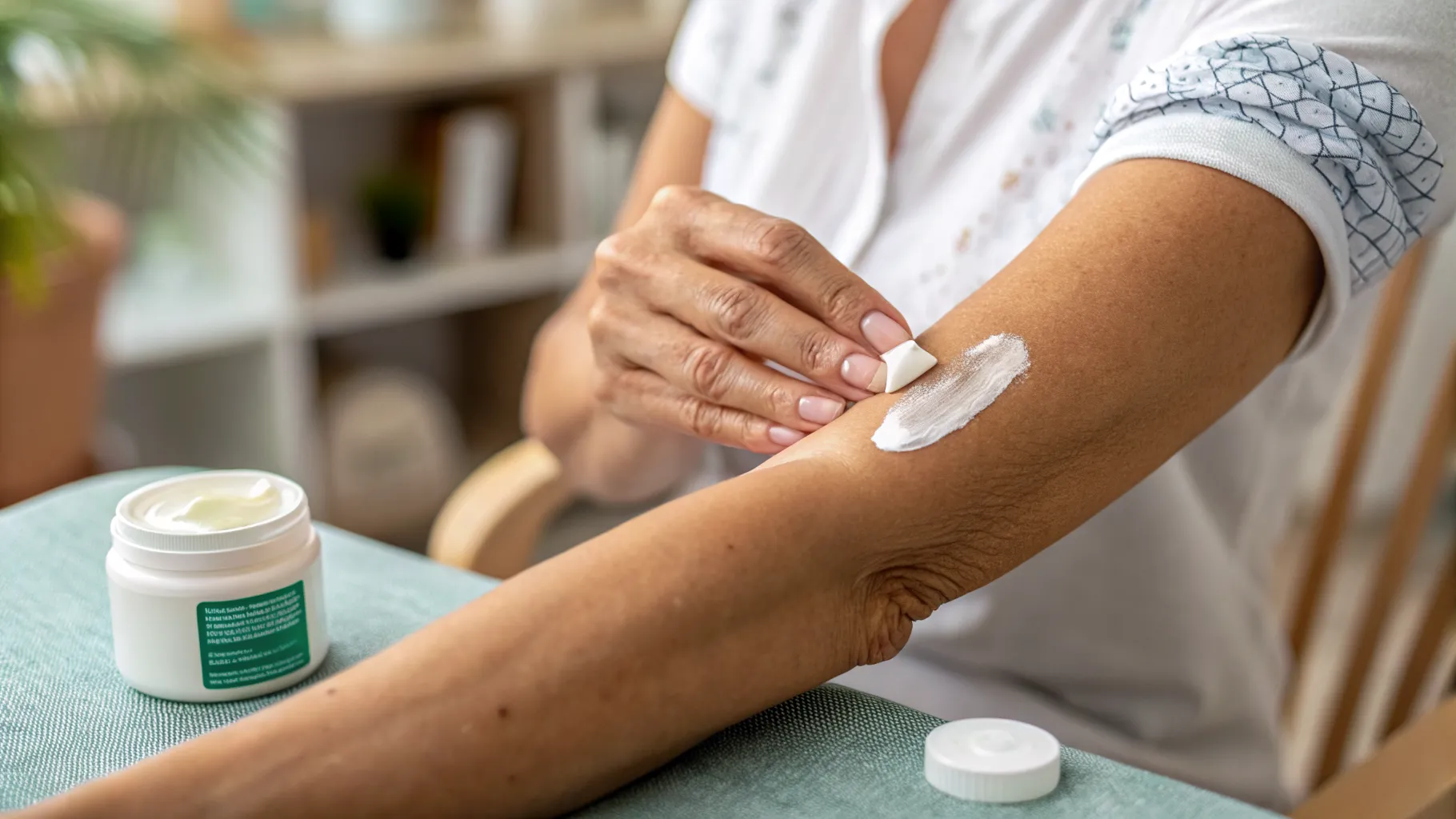
Topical Treatments: First Line of Defense
For most mild to moderate cases of atopic dermatitis, topical treatments form the cornerstone of eczema treatment. These medications are applied directly to the skin to reduce inflammation, itching, and redness. Among the most common are topical corticosteroids, which vary in potency and are prescribed based on the severity and location of the eczema. It is crucial to use topical corticosteroids as directed by a healthcare professional to avoid potential side effects such as skin thinning. Beyond steroids, non-steroidal options like topical calcineurin inhibitors (TCIs) and topical phosphodiesterase-4 (PDE4) inhibitors offer effective alternatives, particularly for sensitive areas or for long-term maintenance. Consistent use of high-quality moisturizers is non-negotiable, playing a vital role in skin barrier repair by creating a protective layer that locks in moisture and keeps irritants out.
Systemic Therapies for Severe Eczema
When topical treatments alone are insufficient to control severe or widespread atopic dermatitis, systemic therapies become necessary. These medications work throughout the entire body to modify the immune response that drives eczema. Biologics, such as dupilumab and tralokinumab, represent a significant advancement in eczema treatment. These injectable drugs specifically target key immune pathways involved in inflammation, providing substantial relief for many patients with severe eczema who have not responded to other treatments. Oral corticosteroids may be used for short periods to bring severe eczema flare-ups under rapid control, but their long-term use is typically avoided due to significant side effects. Other immunosuppressants, like cyclosporine or methotrexate, may also be prescribed, carefully balancing their benefits against potential risks to the patient's overall health and immune system.
Phototherapy: Utilizing Light for Skin Healing
Phototherapy, also known as light therapy, is another effective eczema treatment option for moderate to severe atopic dermatitis, especially when patients have not responded well to topical medications or are seeking to reduce their reliance on systemic drugs. This treatment involves exposing the skin to specific wavelengths of ultraviolet (UV) light under medical supervision. Narrowband ultraviolet B (UVB) is the most common form, as it can suppress the overactive immune system in the skin and reduce inflammation and itching. UVA1 phototherapy is also used in some cases, penetrating deeper into the skin. While effective, phototherapy requires consistent sessions over several weeks or months and must be administered by trained professionals to ensure safety and optimize outcomes. It is a proven method for improving skin health and reducing the frequency of eczema flare-ups.
Lifestyle and Self-Care in Managing Eczema Flare-ups
Beyond medical interventions, daily lifestyle and self-care practices are profoundly important in the overall strategy for eczema treatment and preventing eczema flare-ups. Identifying and avoiding personal triggers is paramount; these can include certain fabrics, harsh soaps, perfumes, dust mites, pet dander, or specific foods. Keeping a diary can help pinpoint these individual sensitivities. Establishing a consistent skincare routine is also critical, emphasizing gentle bathing with lukewarm water and mild cleansers, followed immediately by liberal application of emollients or prescribed moisturizers to support skin barrier repair. Stress management techniques, such as meditation, yoga, or deep breathing exercises, can also play a role, as stress is a known factor that can exacerbate eczema. While diet alone is not a cure, some individuals find that avoiding certain foods helps manage their symptoms, though this should always be discussed with a doctor or dietitian.
Emerging Therapies and Future Directions in Eczema Treatment
The field of eczema treatment is continuously evolving, with exciting new therapies on the horizon that promise more targeted and effective relief for individuals with atopic dermatitis. Research is actively exploring novel medications that specifically modulate the immune system pathways implicated in eczema. Janus kinase (JAK) inhibitors represent a newer class of systemic drugs that can block signals involved in inflammation, offering another oral option for severe cases. Additionally, a pipeline of new topical agents with different mechanisms of action is under development, aiming to provide potent anti-inflammatory effects with fewer side effects than traditional treatments. These advancements underscore a growing understanding of the complex biology of eczema, leading to more personalized and precise approaches to eczema treatment that target the root causes of the condition, offering hope for even better long-term outcomes and improved quality of life for patients.
Practical Steps for Effective Eczema Management
Understand Your Triggers: Keep a detailed log of factors that seem to worsen your eczema flare-ups. This might include certain foods, environmental allergens, stress levels, or harsh chemicals. Avoiding these specific triggers is a fundamental step in successful eczema treatment.
Consistent Moisturizing: Apply a thick, emollient-rich moisturizer generously at least twice daily, especially immediately after bathing, to lock in moisture and aid in skin barrier repair. This proactive approach helps to prevent dryness and reduce the likelihood of irritation.
Adhere to Prescribed Medications: Use topical corticosteroids, TCIs, or any systemic medications exactly as directed by your dermatologist. Proper adherence ensures maximum efficacy and minimizes potential side effects, optimizing your overall eczema treatment plan.
Gentle Skin Care Routine: Opt for lukewarm, short showers or baths and use mild, fragrance-free cleansers. Harsh soaps and hot water can strip the skin of its natural oils, further compromising the skin barrier and potentially leading to more severe atopic dermatitis symptoms.
Manage Stress Effectively: Since stress is a common factor in exacerbating eczema, incorporate stress-reducing activities into your daily routine. Practices like mindfulness, meditation, deep breathing exercises, or gentle exercise can significantly improve your well-being and help reduce eczema flare-ups.
Frequently Asked Questions
What is the best eczema treatment for children?
The best eczema treatment for children typically involves a combination of daily moisturizing, identifying and avoiding triggers, and the judicious use of mild topical corticosteroids or non-steroidal creams under pediatric guidance. It's crucial to consult a pediatrician or dermatologist for a tailored plan focusing on gentle skin barrier repair and symptom management.
How can I prevent eczema flare-ups?
Preventing eczema flare-ups largely depends on consistent daily skincare, avoiding known triggers, and adhering to maintenance treatments. Regular application of moisturizers, using gentle cleansers, managing stress, and protecting the skin from irritants are key to maintaining remission for atopic dermatitis.
Are natural remedies effective for atopic dermatitis?
Some natural remedies may offer soothing relief for mild atopic dermatitis symptoms, but they are generally not a substitute for medical eczema treatment. Ingredients like colloidal oatmeal, coconut oil, or aloe vera can help with hydration and reduce itching. Always discuss natural remedies with your doctor to ensure they are safe and don't interact with other treatments or exacerbate your condition.
What role do moisturizers play in skin barrier repair?
Moisturizers are critical for skin barrier repair in eczema treatment. They help replenish the skin's natural lipids, reduce transepidermal water loss, and form a protective layer that keeps irritants and allergens out while sealing in moisture. Consistent and liberal use of emollients is fundamental for strengthening the compromised skin barrier in atopic dermatitis.
References
- National Eczema Association
- American Academy of Dermatology Association
- Journal of the American Academy of Dermatology
- The Lancet
- World Health Organization reports on dermatological conditions
Authored by MyTrendSpot team