The Essential Antique Camera Guide: Exploring Vintage Photography
Facts:
- Antique cameras offer unique aesthetic for photographers.
- Resurgence in film photography drives demand for classic camera collecting.
Unveiling the Legacy of Classic Camera Collecting
Embarking on the journey of classic camera collecting opens a fascinating window into the evolution of imaging technology and artistic expression. These magnificent devices are more than just functional tools; they are artifacts of innovation, design, and a bygone era of photographic craftsmanship. Understanding the nuances of antique cameras involves appreciating their historical significance, mechanical ingenuity, and the unique artistic results they can produce. This guide serves as your comprehensive companion to navigating the intricate world of vintage photography, offering insights into identification, acquisition, care, and the sheer joy of engaging with these timeless pieces of history.
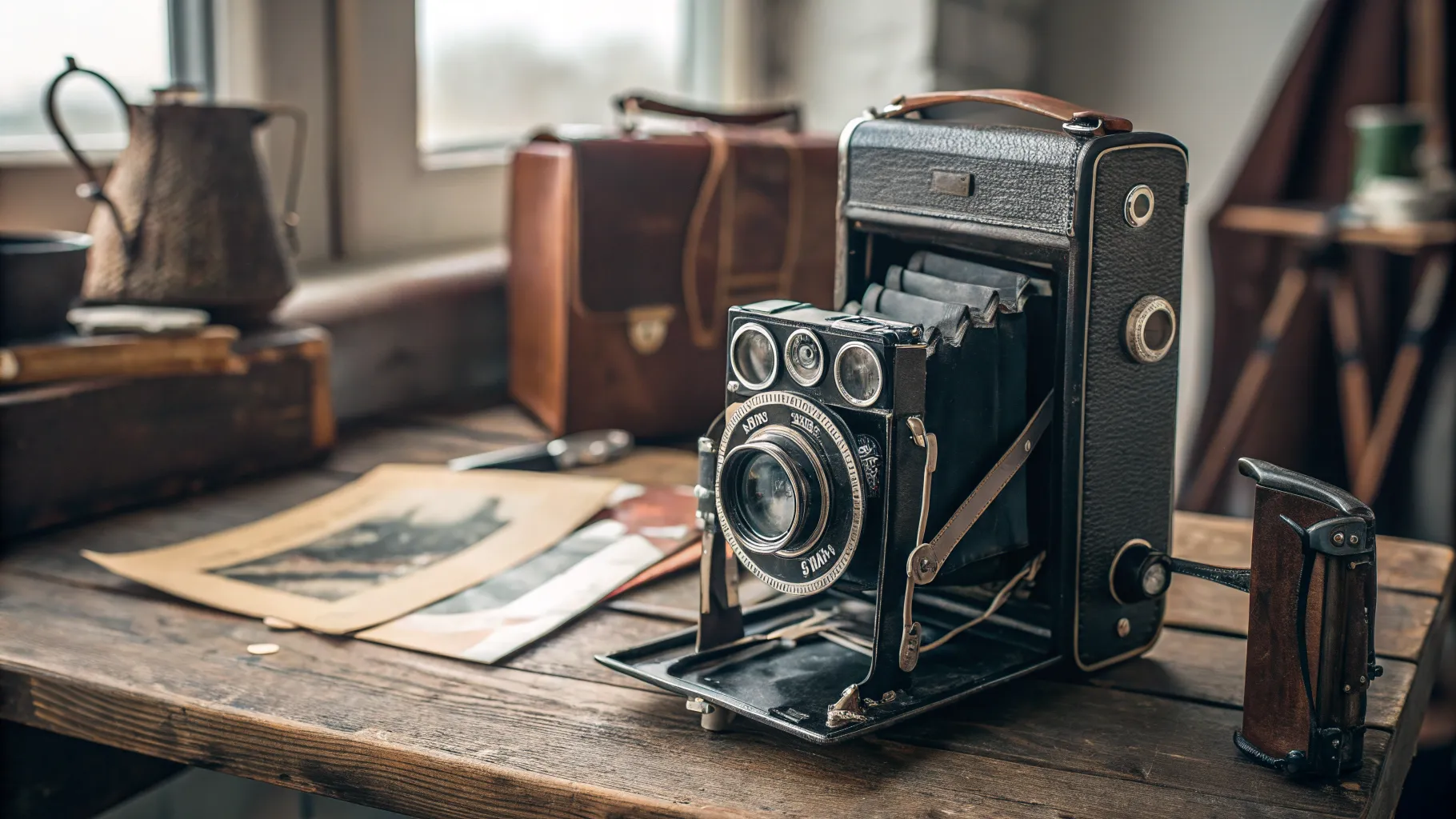
Understanding Different Eras of Antique Cameras
The landscape of antique cameras is vast and diverse, spanning over a century of technological advancements and stylistic changes. Each era introduced unique designs, functionalities, and photographic capabilities, making the study and collection of these devices a rich and rewarding endeavor. From the earliest cumbersome plate cameras to more portable models, understanding their chronological development is crucial for any aspiring collector or enthusiast.
Early Box Cameras and Daguerreotypes
The dawn of photography saw the emergence of rudimentary yet revolutionary cameras, often large format and designed for specific chemical processes. Daguerreotypes, ambrotypes, and tintypes required specialized equipment and meticulous darkroom techniques. Early box cameras, such as the Kodak Brownie, democratized photography, making it accessible to a wider audience. These cameras, while simple in operation, laid the groundwork for future innovations and are highly sought after by those interested in the foundational aspects of film photography heritage.
Folding Cameras and Rangefinders
The early to mid-20th century marked a significant period of innovation with the introduction of folding cameras and rangefinders. Folding cameras, epitomized by models like the Voigtländer Bessa or various Agfa Isolettes, offered portability without sacrificing image quality, making them popular among travelers and photojournalists. Rangefinder cameras, perfected by Leica and Contax, introduced precise focusing mechanisms and high-quality interchangeable lenses, allowing for greater creative control and sharper images. These models are often considered the workhorses of vintage photography from their time, prized for their robust construction and optical excellence.
SLRs and Medium Format Innovations
The latter half of the 20th century saw the widespread adoption of Single-Lens Reflex (SLR) cameras, which provided photographers with through-the-lens viewing and a versatile system of interchangeable lenses and accessories. Iconic brands like Nikon, Canon, and Pentax produced numerous classic SLR models that are still highly functional today. Alongside SLRs, medium format cameras, such as those from Hasselblad, Rolleiflex, and Mamiya, offered superior image quality due to their larger film negatives, becoming staples for professional studio and landscape photography. These historical camera models represent the pinnacle of mechanical camera design before the digital revolution.
Key Considerations for Acquiring Vintage Photography Gear
When delving into the world of classic camera collecting, several factors must be carefully considered to ensure a satisfying and valuable acquisition. Condition, rarity, and price are paramount, but understanding the operational status and potential repair needs of an antique cameras is equally important. Many vintage cameras can still be used to produce stunning photographs, adding an experiential dimension to collecting.
Thorough research is indispensable before purchasing any historical camera models. Investigate common issues for specific models, availability of film and repair parts, and reputable sellers. Online forums, specialized vintage camera stores, and photographic fairs are excellent resources for both information and potential acquisitions. Always inquire about the camera's working condition, previous repairs, and any included accessories, as these can significantly impact its value and usability for vintage photography.
Maintenance and Care for Your Film Photography Heritage
Preserving your film photography heritage is crucial for ensuring the longevity and functionality of your collection. Proper maintenance and care can prevent common issues like fungus, sticky shutters, and light leaks, which can plague older equipment. A well-maintained antique cameras not only retains its value but also remains a usable tool for capturing unique images.
- Regular Cleaning: Gently clean the exterior of your camera with a soft, lint-free cloth. Use specialized lens cleaning solutions and cloths for optical elements, ensuring no dust or smudges degrade image quality. Avoid harsh chemicals that could damage vintage finishes or coatings.
- Proper Storage: Store your vintage photography equipment in a cool, dry, and dust-free environment. Use silica gel packets to absorb moisture and prevent mold or fungus growth, especially in humid climates. Keep cameras in their cases or display them in enclosed cabinets away from direct sunlight and extreme temperatures.
- Professional Servicing: For complex mechanical issues, a professional camera technician specializing in vintage equipment is invaluable. Routine CLA (Clean, Lubricate, Adjust) services can restore an older camera to full working order, ensuring accurate shutter speeds and smooth operation. Seek out reputable technicians who understand the intricacies of historical camera models.
Capturing Moments with Authentic Antique Cameras
Using antique cameras for actual photography is an incredibly rewarding experience that connects you directly to the roots of the art form. The slower pace, manual controls, and unique optical characteristics of these devices force a more deliberate and thoughtful approach to image-making. Each click of the shutter feels more significant, and the anticipation of seeing your developed film adds an extra layer of excitement to the process of vintage photography.
Embrace the limitations and charm that come with shooting film photography heritage. Light meters may be absent or unreliable, requiring you to master the Sunny 16 rule or carry a handheld meter. Focusing might be manual and slower, demanding patience and precision. However, these challenges often lead to more carefully composed and emotionally resonant images, imbued with a distinctive character that digital cameras often struggle to replicate. The tactile feel of winding film and the distinct click of an old shutter are part of the joy that comes from engaging with these classic photographic instruments.
Frequently Asked Questions
What makes antique cameras so special?
Antique cameras are special due to their historical significance, unique mechanical designs, and the distinct aesthetic they impart to photographs. They offer a tangible connection to the past of photography and represent eras of innovation and craftsmanship, making them cherished items for collectors and enthusiasts alike for vintage photography.
How do I start classic camera collecting?
To start classic camera collecting, begin by researching different camera types and eras that interest you. Identify a few models within your budget and look for reputable sellers at camera shows, online marketplaces, or specialized vintage stores. Prioritize cameras in good mechanical and cosmetic condition, and consider models for which film and repair services are still available, enhancing your film photography heritage.
Can I still use historical camera models to take photos?
Absolutely! Many historical camera models are fully functional and can still be used to take stunning photographs. You'll need to source compatible film (which is often still available), understand manual exposure settings, and potentially have the camera serviced (CLA) to ensure optimal performance. Shooting with these cameras offers a unique, nostalgic experience and distinct image quality, contributing to the experience of vintage photography.
References
- The History of Photography by Beaumont Newhall
- Collector's Guide to Antique Cameras by Eaton S. Lothrop Jr.
- Various online photography archives and historical societies
Authored by MyTrendSpot team