Exploring Arthritis Stem Cell Therapy Clinical Trials
Facts:
- Stem cells offer new hope for joint repair.
- Growing interest in regenerative medicine for arthritis.
Understanding the Landscape of Arthritis Stem Cell Therapy Clinical Trials
The quest for effective treatments for arthritis, a debilitating condition affecting millions globally, has led to significant advancements in **regenerative medicine for arthritis**. Among these, **Arthritis stem cell therapy clinical trials** represent a frontier in medical science, exploring the potential of harnessing the body's own healing mechanisms to repair damaged joint tissues. These trials are meticulously designed to assess the safety and efficacy of using stem cells to alleviate pain, reduce inflammation, and potentially restore cartilage in various forms of arthritis, including osteoarthritis and rheumatoid arthritis. The promise of such therapies lies in their ability to offer a biological solution beyond symptomatic relief, aiming for long-term tissue regeneration and improved quality of life for patients.
The Science Behind Stem Cell Treatment for Joint Pain
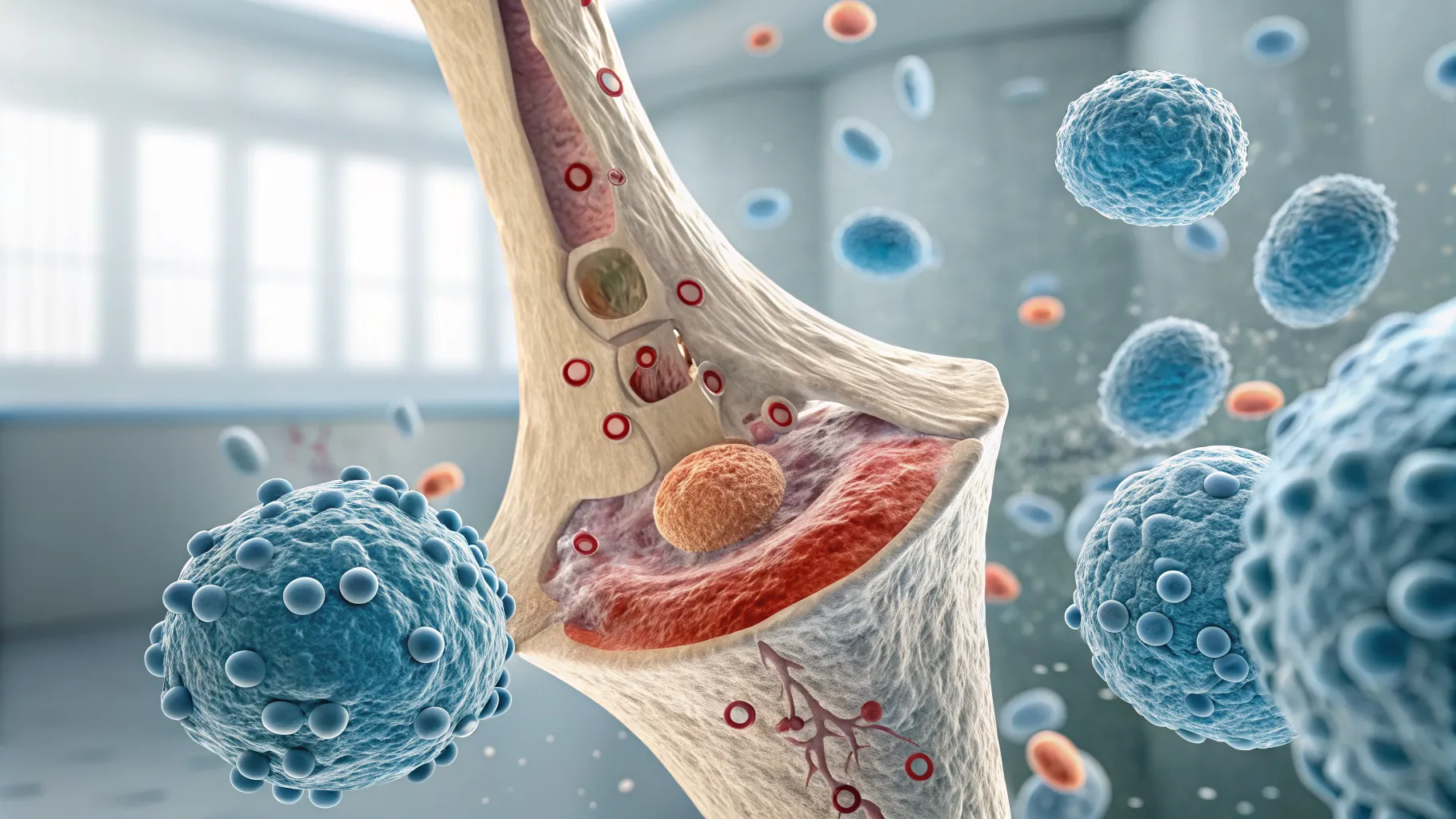
At the core of **stem cell treatment for joint pain** is the remarkable ability of stem cells, particularly mesenchymal stem cells (MSCs), to differentiate into various cell types, including chondrocytes (cartilage cells), osteocytes (bone cells), and adipocytes (fat cells). When introduced into an arthritic joint, these stem cells are believed to exert several therapeutic effects: they can modulate the immune response, reduce inflammation, secrete growth factors that promote tissue repair, and directly contribute to the regeneration of damaged cartilage. The sourcing of stem cells is critical, often involving autologous (from the patient's own body, e.g., bone marrow, adipose tissue) or allogeneic (from a donor) sources, each with its own advantages and considerations in **Arthritis stem cell therapy clinical trials**. Understanding these cellular mechanisms is key to unlocking the full potential of **cartilage regeneration therapy** and providing lasting relief for patients.
Current Research and Innovations in Osteoarthritis Stem Cell Research
**Osteoarthritis stem cell research** is a rapidly evolving field, with numerous clinical trials underway globally. Researchers are exploring different types of stem cells, delivery methods, and combination therapies to optimize outcomes. For instance, studies are investigating the efficacy of injecting concentrated bone marrow aspirate (BMAC) or adipose-derived stem cells (ADSCs) directly into arthritic joints. Innovations also include genetically modified stem cells or scaffolds infused with stem cells to enhance their regenerative capacity and ensure better integration into the damaged tissue. The focus is not just on pain relief but on halting disease progression and truly regenerating functional tissue. These ongoing **Arthritis stem cell therapy clinical trials** aim to establish standardized protocols and long-term safety data, paving the way for wider clinical application of **regenerative medicine for arthritis**.
Navigating Arthritis Stem Cell Therapy Clinical Trials: What to Expect
Participating in **Arthritis stem cell therapy clinical trials** involves a structured process designed to ensure patient safety and data integrity. Patients typically undergo a thorough screening process to determine eligibility, based on the type and severity of their arthritis, overall health, and other criteria specific to the trial. If eligible, participants are closely monitored throughout the trial, which can span several months or even years. Procedures may include stem cell harvesting (if autologous), injection into the affected joint, and regular follow-up assessments involving imaging, pain scales, and functional tests. Understanding the phases of a clinical trial—Phase 1 (safety), Phase 2 (efficacy), Phase 3 (comparison to standard treatment)—is crucial for patients considering this pathway. The journey through these trials is a commitment to advancing **stem cell treatment for joint pain** and contributes invaluable data to the medical community.
Comparative Analysis: Stem Cells vs. Traditional Arthritis Treatments
When considering options for managing arthritis, it is vital to compare **regenerative medicine for arthritis** with traditional treatments. Conventional approaches typically include non-steroidal anti-inflammatory drugs (NSAIDs), corticosteroid injections, physical therapy, and ultimately, joint replacement surgery in severe cases. While these methods offer varying degrees of pain relief and functional improvement, they often do not address the underlying cartilage degeneration. NSAIDs can have side effects, and injections provide temporary relief. Surgery is invasive and carries its own risks and recovery period. **Arthritis stem cell therapy clinical trials**, in contrast, aim to provide a more fundamental solution by regenerating damaged tissue, potentially offering a long-term alternative that could reduce the need for more invasive procedures. This fundamental difference is a key driver behind the extensive **osteoarthritis stem cell research** currently underway.
Future Directions: The Promise of Cartilage Regeneration Therapy
The future of **cartilage regeneration therapy** holds immense promise, driven by continuous innovation in stem cell science. Researchers are exploring advanced techniques such as tissue engineering, where stem cells are combined with biocompatible scaffolds to create functional cartilage implants outside the body before implantation. Gene editing technologies are also being investigated to enhance the regenerative capabilities of stem cells. Furthermore, efforts are focused on identifying specific biomarkers that can predict treatment response, allowing for more personalized and effective **stem cell treatment for joint pain**. As **Arthritis stem cell therapy clinical trials** progress through their various phases, the ultimate goal is to move these groundbreaking therapies from research settings into standard clinical practice, offering a truly transformative solution for millions suffering from arthritis worldwide.
Key Considerations Before Joining a Clinical Trial
- Consult Your Physician: Always discuss **Arthritis stem cell therapy clinical trials** with your healthcare provider to understand if they are a suitable option for your specific condition and overall health. They can provide personalized advice based on your medical history.
- Understand the Risks and Benefits: Every clinical trial carries potential risks and benefits. It is crucial to thoroughly review all informed consent documents and ask questions to fully comprehend the implications of participation in **regenerative medicine for arthritis** studies.
- Evaluate the Trial's Ethics and Accreditation: Ensure that the clinical trial is registered with reputable organizations and follows strict ethical guidelines. Legitimate trials prioritize patient safety and adhere to scientific rigor, contributing to genuine **osteoarthritis stem cell research**.
- Assess Long-Term Commitment: Clinical trials often require long-term follow-up visits and adherence to specific protocols. Be prepared for the time commitment and responsibility involved in contributing to the advancement of **stem cell treatment for joint pain**.
- Consider Financial Implications: While many clinical trials cover the costs of the experimental therapy, some may not cover all related medical expenses. Clarify all financial aspects before making a decision to join **cartilage regeneration therapy** trials.
Frequently Asked Questions
What are Arthritis stem cell therapy clinical trials?
Arthritis stem cell therapy clinical trials are research studies investigating the safety and effectiveness of using stem cells to treat various forms of arthritis, aiming to repair damaged joint tissues and reduce pain and inflammation.
Is regenerative medicine for arthritis safe?
The safety of regenerative medicine for arthritis is a primary focus of ongoing clinical trials. While promising, researchers are continuously gathering data to ensure long-term safety and identify any potential risks or side effects associated with **stem cell treatment for joint pain**.
How effective is stem cell treatment for joint pain?
The effectiveness of **stem cell treatment for joint pain** is still under investigation, with results varying depending on the type of arthritis, the stem cell source, and the individual patient. Early-phase **Arthritis stem cell therapy clinical trials** have shown promising results in pain reduction and functional improvement for many participants.
References
- National Institutes of Health Clinical Trials Registry
- Arthritis Foundation Research Articles
- Journal of Regenerative Medicine Studies
Authored by MyTrendSpot team