Exploring New Treatment Options for Acid Reflux
Acid reflux, often manifesting as heartburn, regurgitation, or indigestion, is a widespread condition affecting millions globally. While proton pump inhibitors (PPIs) and H2 blockers have long been the standard of care, ongoing research and technological advancements are continually introducing novel treatment options. These new approaches aim to provide more effective symptom control, address underlying causes, and improve the quality of life for individuals living with this chronic condition.
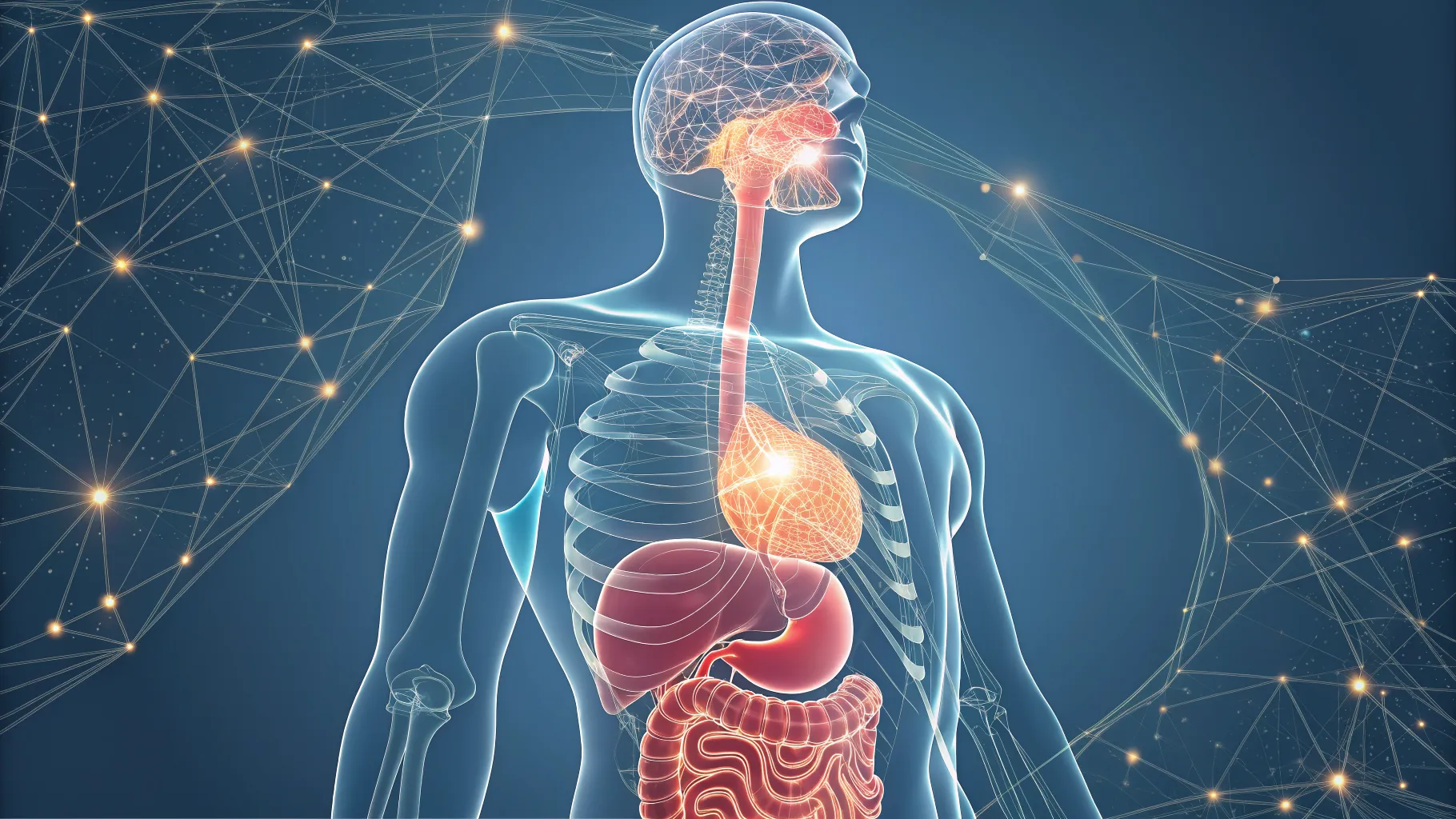
Understanding the Evolving Landscape of Acid Reflux Management
For many years, the management of acid reflux disease, also known as gastroesophageal reflux disease (GERD), primarily revolved around reducing stomach acid production. While effective for a large segment of the population, some individuals experience persistent symptoms, develop tolerance, or face side effects from long-term medication use. This has spurred a focused effort within the medical community to explore and develop alternatives that offer different mechanisms of action or more durable solutions.
The shift in understanding GERD involves recognizing it as a multifactorial condition, not solely dependent on acid. Factors like esophageal sensitivity, motility disorders, hiatal hernia, and bile reflux can all play significant roles. Consequently, newer treatments often target these diverse aspects, providing a more tailored approach to each patient's unique presentation of the disease.
Beyond Traditional Acid Suppressants: Novel Pharmacological Agents
While PPIs remain foundational, new classes of drugs are emerging. One prominent example is Potassium-Competitive Acid Blockers (P-CABs). These medications work by directly and reversibly inhibiting the proton pump, offering a potentially faster onset of action and less variability in efficacy compared to PPIs, which require activation in an acidic environment.
Another area of pharmaceutical development focuses on mucosal protective agents or drugs that enhance esophageal barrier function. These agents aim to bolster the body's natural defenses against acid damage rather than solely reducing acid production. While some are still in various stages of clinical trials or limited availability, they represent a promising avenue for patients who do not respond adequately to conventional acid suppression.
Minimally Invasive Procedures for Structural Correction
For individuals with anatomical issues contributing to reflux, such as a weakened lower esophageal sphincter (LES) or a hiatal hernia, several minimally invasive procedures offer structural correction. These interventions are often considered when lifestyle changes and medications fail to provide sufficient relief.
Transoral Incisionless Fundoplication (TIF): This endoscopic procedure rebuilds and reinforces the anti-reflux barrier between the stomach and esophagus from within the stomach, without external incisions. It aims to restore the natural anatomy of the gastroesophageal junction.
Magnetic Sphincter Augmentation: This technique involves implanting a small device, typically a ring of titanium beads with magnetic cores, around the lower esophagus. The magnetic attraction helps keep the LES closed when not swallowing, while allowing it to open during swallowing or vomiting.
Radiofrequency Energy Treatment (e.g., Stretta procedure): This procedure delivers radiofrequency energy to the LES muscle, which can lead to tissue remodeling, thickening of the muscle, and a reduction in transient LES relaxations, thereby improving the barrier function.
Advancements in Diagnostic Tools for Precision Treatment
Accurate diagnosis is crucial for selecting the most effective treatment. Modern diagnostic tools offer a more detailed understanding of reflux mechanisms, allowing for more personalized therapeutic strategies. Beyond standard endoscopy and pH monitoring, new technologies provide deeper insights.
High-resolution esophageal manometry can precisely evaluate the motor function of the esophagus and the LES. Impedance-pH monitoring, on the other hand, can detect both acidic and non-acidic reflux events, providing a more complete picture of reflux episodes and their correlation with symptoms. These detailed diagnostic findings help clinicians differentiate between various forms of reflux and guide treatment decisions, especially when considering advanced therapies or surgical interventions.
The Role of Lifestyle and Dietary Adjustments: New Perspectives
While often recommended, the emphasis on lifestyle and dietary modifications has become more nuanced and personalized. Beyond generic advice like avoiding spicy foods or eating late, new research provides a deeper understanding of individual triggers and the gut-brain axis's role.
Emerging evidence suggests that specific dietary patterns, such as a low-FODMAP diet or certain anti-inflammatory diets, might benefit some individuals by reducing overall digestive irritation. Furthermore, personalized approaches often include stress management techniques, weight optimization, and tailored exercise regimens, all recognized as significant contributors to reflux symptom control. Working with a healthcare professional or a specialized dietitian can help identify the most effective adjustments for an individual's specific condition.
Future Horizons: Personalized Medicine and Emerging Research
The future of acid reflux treatment is increasingly moving towards personalized medicine. Researchers are exploring how genetic factors, the gut microbiome, and individual physiological responses influence the disease's progression and treatment efficacy. This means that in the coming years, treatments might be selected based on a patient's unique biological profile rather than a one-size-fits-all approach.
Ongoing studies are also investigating entirely new pathways, such as therapies targeting specific receptors involved in esophageal pain perception or innovative biofeedback techniques. These cutting-edge areas hold the potential to unlock more effective and enduring solutions for even the most challenging cases of acid reflux, marking an exciting period of innovation in gastroenterology.
Authored by MyTrendSpot team