Exploring the World of Police Impound ATVs for Sale
When considering the purchase of an all-terrain vehicle (ATV), many traditional avenues come to mind, such as dealerships or private sellers. However, there's a less conventional market that can sometimes offer unexpected opportunities: police impound sales. These vehicles often end up in the custody of law enforcement for a variety of reasons, eventually becoming available to the public through auctions or designated sales channels.
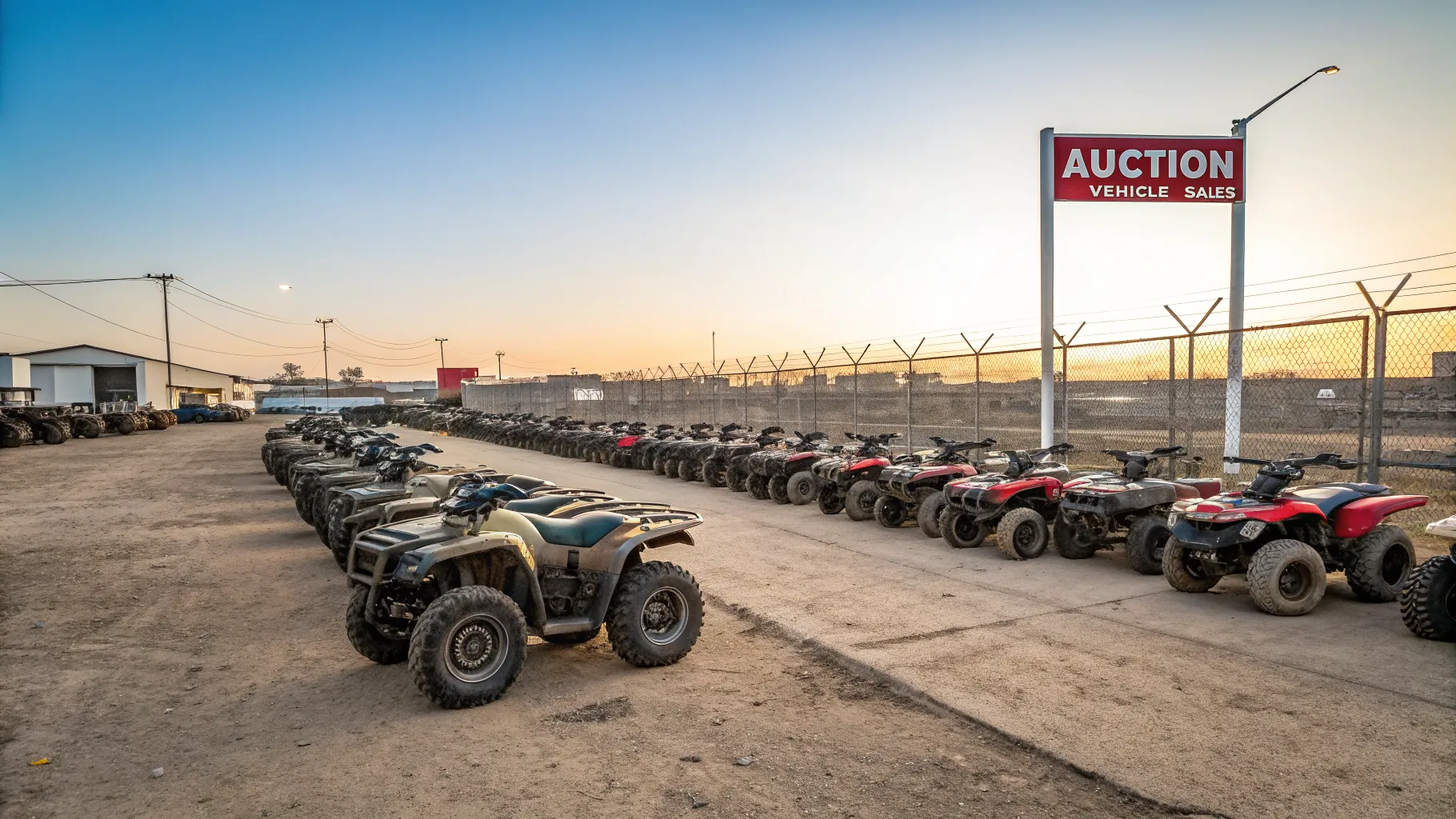
Understanding Police Impoundment
ATVs can be impounded by law enforcement agencies for numerous reasons. Common scenarios include vehicles involved in illegal activities, those ridden on unauthorized land, or ATVs operated without proper registration or safety equipment. In some cases, vehicles may be seized due to unpaid fines, outstanding warrants associated with the owner, or even abandonment.
Once impounded, the vehicle typically undergoes a legal process. If the owner does not claim it within a specified period and pay any associated fees, the ATV may be deemed abandoned or forfeited. This legal transfer of ownership then allows the government agency to dispose of the vehicle, often through public sale.
Where to Find Impounded ATVs for Sale
Police impound ATVs are not typically found on standard dealership lots. Instead, they are commonly sold through specific channels designed for government asset disposal. These channels aim to recover costs associated with impoundment and generate revenue for the public sector.
Potential buyers should look towards government surplus auctions, police department auctions, and online auction platforms that specialize in government-owned assets. Local law enforcement agencies or municipal governments often list upcoming sales on their official websites, and some larger counties or states might have dedicated auction pages. Private auction houses are also frequently contracted by government entities to manage these sales.
The Auction Process: What to Expect
Participating in an auction for an impounded ATV typically involves a few key steps. First, prospective buyers usually need to register with the auctioneer or online platform, which might require identification and a deposit. Prior to the bidding, viewing days are often scheduled, allowing interested parties to inspect the vehicles firsthand.
During the auction itself, vehicles are sold to the highest bidder. It's crucial for buyers to understand the terms and conditions of the sale, which often include 'as-is, where-is' clauses, meaning no warranties or guarantees are provided. Payment is usually required shortly after the auction closes, and buyers are responsible for arranging pickup of the vehicle.
Potential Benefits of Buying Impounded ATVs
One of the most appealing aspects of purchasing an impounded ATV is the potential for a lower price point compared to retail or even private sales. Since government agencies are often looking to quickly liquidate assets, the starting bids can be quite low, and deals can sometimes be found, especially if there isn't high competition for a particular vehicle.
Another benefit is the variety of vehicles that can appear in these sales. From utility ATVs to sport models, the inventory is unpredictable and can sometimes include unique or older models that might be harder to find elsewhere. For those who enjoy restoring vehicles or are looking for parts, impound sales can sometimes present interesting projects.
Risks and Drawbacks to Consider
While the prospect of a bargain is enticing, buying an impounded ATV comes with significant risks. The primary concern is the unknown condition of the vehicle. Unlike buying from a dealership, there is usually no opportunity for a test drive, and the full maintenance history is often unavailable. Vehicles might have mechanical issues, cosmetic damage, or even hidden problems that are not immediately apparent during a visual inspection.
Furthermore, these sales are almost always final, with no returns or exchanges. Buyers assume full responsibility for any repairs or issues that arise after the purchase. It's also possible that the vehicle has been involved in an accident or has other damage that makes it unsafe or difficult to register.
Essential Checks Before Purchase
Before committing to a bid, a thorough inspection is paramount. While test drives are typically not allowed, buyers should physically examine the ATV for signs of damage, rust, fluid leaks, and general wear and tear. Pay close attention to the frame, suspension components, tires, and engine bay.
It's also advisable to verify the vehicle's identification number (VIN) to ensure it matches any documentation provided. This VIN can be used to perform a lien check or historical search, although comprehensive histories can be difficult to obtain for these types of sales. Understanding the ATV's legal status is crucial to avoid future complications.
Legal and Documentation Considerations
When purchasing an impounded ATV, ensuring you receive proper documentation is critical for legal ownership and registration. Buyers must obtain a clear title or certificate of sale from the selling agency. This document will prove your ownership and is necessary for transferring the title into your name.
Be aware of any outstanding liens or encumbrances on the vehicle. While agencies typically clear titles before sale, it's wise to double-check. Confirming the ATV's eligibility for registration in your state or region is also important, as some older or modified vehicles might face restrictions. Understanding these legalities beforehand can prevent significant headaches down the road.
Authored by MyTrendSpot team