Navigating the Complexities: Why Federal Agents Seize Classic Car Auctions
Fast Facts:
- Federal seizures of high-value assets are on the rise.
- Increased scrutiny in classic car auctions for illicit funds.
Understanding the Surge in Luxury Vehicle Seizures
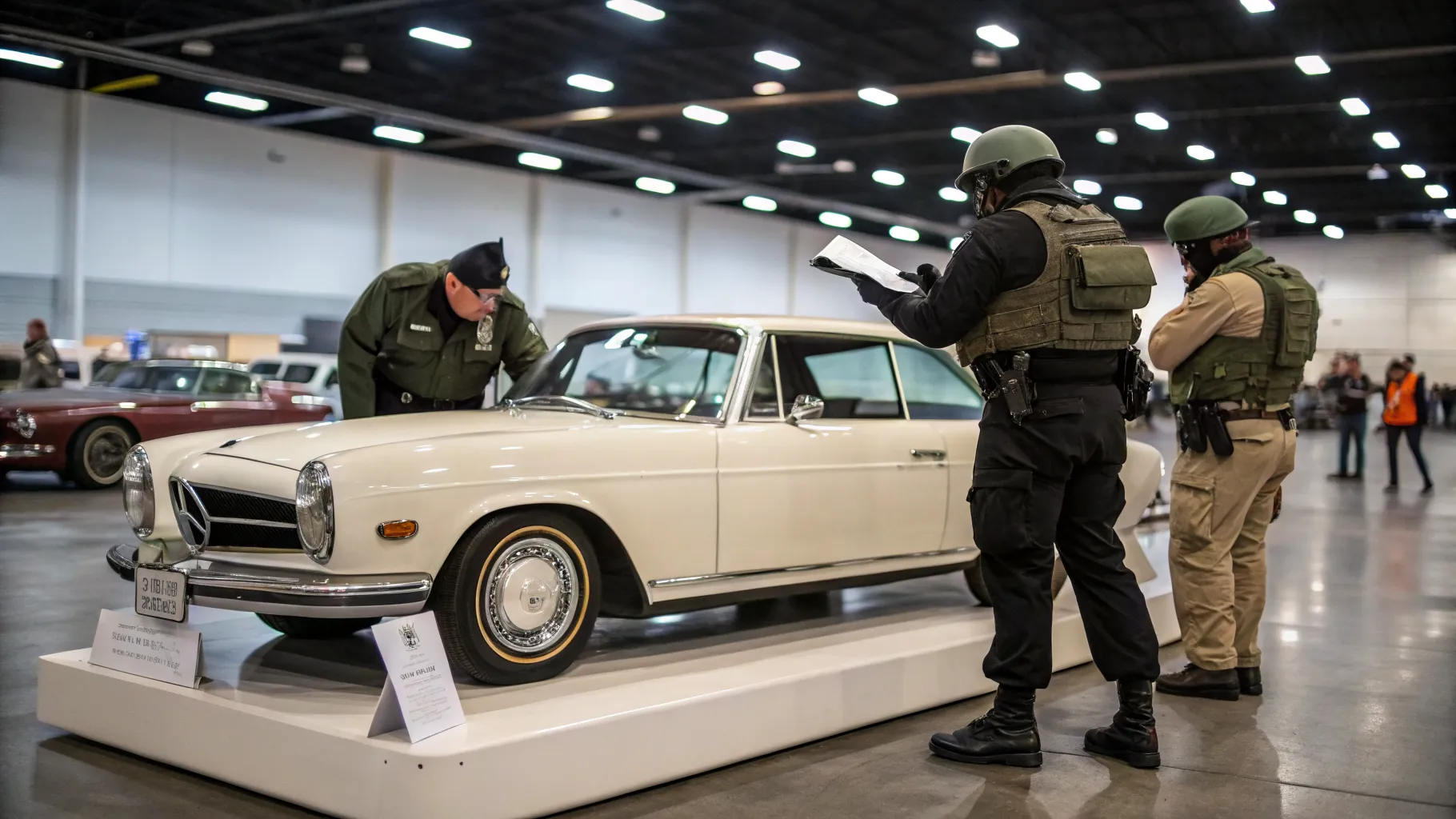
The world of collecting rare and vintage automobiles is often associated with passion, prestige, and significant investment. However, a growing trend sees Federal agents seize assets at what were once considered secure environments, particularly within classic car auctions. This phenomenon introduces a layer of complexity and risk for both buyers and sellers, as authorities increasingly target high-value transactions suspected of being linked to illicit activities. The implications for the entire collector car market are profound, raising questions about due diligence, provenance, and the future of acquiring these automotive treasures.
The Legal Framework Behind Asset Forfeiture
Understanding why Federal agents seize vehicles requires a deep dive into the legal mechanisms available to them. Asset forfeiture laws permit government agencies to seize property linked to criminal activity, even if the owner is not ultimately convicted of a crime. These laws are designed to deter crime by removing the financial gains derived from illegal enterprises. While often used in drug trafficking and money laundering cases, their scope has expanded to encompass any high-value asset, including those traded at classic car auctions, if a connection to unlawful funds can be established. This broad interpretation means that unsuspecting buyers or sellers can find themselves entangled in complex legal battles, necessitating a thorough understanding of their rights and responsibilities when participating in these markets.
Due Diligence: Protecting Your Investment in Classic Cars
For enthusiasts and investors, the risk of luxury vehicle seizures makes rigorous due diligence more critical than ever. Before making a significant purchase at classic car auctions, potential buyers must go beyond the usual mechanical inspections and historical provenance checks. This includes verifying the seller's background, understanding the chain of ownership, and looking for any red flags that might suggest prior illegal activity associated with the vehicle. Consulting with legal experts specializing in asset forfeiture and property law is highly advisable to navigate the complexities. A comprehensive title search extending beyond typical requirements can also help identify any previous liens or governmental interests that might indicate a vehicle has been or is currently under investigation.
Impact on the Classic Car Auction Market
The increased vigilance by law enforcement and the potential for federal intervention have significant legal implications for the entire classic car auction ecosystem. Auction houses are now under greater pressure to implement stricter anti-money laundering (AML) and know-your-customer (KYC) policies. This shift aims to prevent the use of their platforms for illicit transactions but also adds layers of bureaucracy for legitimate participants. The very perception of increased risk can deter potential buyers, leading to a more cautious market. Consequently, the transparency and integrity of transactions at classic car auctions are becoming paramount, influencing everything from valuation to buyer confidence and liquidity. The market may see a shift towards more regulated and verifiable transactions to mitigate these risks effectively.
Navigating the Aftermath of a Seizure
Should a vehicle you own or have an interest in be subject to a seizure by Federal agents seize protocols, understanding the legal process is crucial. The government must typically provide notice of the seizure and an opportunity for claimants to contest it. This often involves filing a petition for remission or mitigation, or initiating an administrative or judicial forfeiture claim. Each path has distinct requirements and timelines, and failure to act promptly can result in the permanent loss of the asset. The process can be lengthy, costly, and emotionally draining, underscoring the importance of having experienced legal counsel who can expertly guide you through the intricacies of asset forfeiture law and protect your interests.
Future Trends and Regulatory Responses
Looking ahead, the trend of luxury vehicle seizures is likely to continue, possibly expanding as agencies develop more sophisticated methods for tracking illicit funds and assets. Regulators might introduce new guidelines for auction houses and dealers to further solidify anti-money laundering efforts, potentially harmonizing international standards given the global nature of the classic car market. Technological advancements, such as blockchain for provenance tracking, could emerge as tools to enhance transparency and mitigate risks, though widespread adoption faces challenges. The ongoing dialogue between law enforcement, legal experts, and industry stakeholders will shape the future landscape, seeking a balance between curbing illicit activities and preserving the legitimate vibrancy of classic car auctions.
Actionable Advice for Collectors
- Perform Enhanced Due Diligence: Always conduct thorough background checks on sellers and vehicle history reports, looking specifically for any past governmental interest or red flags related to asset forfeiture.
- Consult Legal Experts: Before significant purchases, engage a lawyer specializing in property and forfeiture law to review documentation and advise on potential legal implications.
- Verify Provenance: Demand a clear, unbroken chain of ownership documentation. Be wary of incomplete histories or vague explanations for title transfers, especially in relation to luxury vehicle seizures.
- Understand Auction House Policies: Familiarize yourself with the anti-money laundering (AML) and know-your-customer (KYC) procedures of any auction house you deal with to ensure compliance and reduce risk.
- Secure Financial Records: Maintain meticulous records of all transactions, including payment methods and sources of funds, to demonstrate legitimacy if ever questioned by Federal agents seize protocols.
Frequently Asked Questions
Can Federal agents seize a classic car even if I bought it legally?
Yes, under certain circumstances, even an innocent owner can have their property seized under asset forfeiture laws if it was derived from or used to facilitate criminal activity. However, innocent owner defenses may be available, requiring proof that you were unaware of the illicit connection and took all reasonable steps to ascertain the legitimate source of the property. This highlights the importance of thorough due diligence before purchase.
What are the common reasons for luxury vehicle seizures at auctions?
Common reasons include suspicions that the vehicle was purchased with illicit funds (e.g., from drug trafficking, fraud, or money laundering), or that the vehicle itself was used in the commission of a crime. Federal agencies are increasingly scrutinizing high-value transactions at classic car auctions as a potential avenue for criminals to legitimize or hide wealth.
How can I protect myself from legal implications when buying a classic car?
To mitigate risks, always conduct exhaustive due diligence, including professional appraisals, title searches, and background checks on sellers. Consult with a legal professional experienced in asset forfeiture laws, ensure all transactions are transparent, and keep comprehensive records of your purchase and the source of your funds. Awareness and proactive measures are your best defense.
References
- Department of Justice Forfeiture Policy Manual
- Federal Bureau of Investigation Financial Crime Reports
- Industry Whitepapers on Classic Car Market Transparency
- Academic Research on Asset Forfeiture Laws and Their Economic Impact
Authored by MyTrendSpot team