Discover Value: Your Guide to Government Seized Vehicle Auctions
Fast Facts:
- Opportunities abound in Government seized vehicle auctions.
- Interest in federal vehicle sales is trending upward for budget-conscious buyers.
Navigating the World of Government Seized Vehicle Auctions
Discovering exceptional value in the automotive market often leads savvy buyers to explore Government seized vehicle auctions. These unique sales events offer a diverse range of vehicles, from cars and trucks to motorcycles and even specialized equipment, all available at potentially significant discounts. Understanding the intricacies of participating in seized vehicle sales is crucial for securing the best deals and avoiding common pitfalls.
Understanding the Source of Seized Vehicles
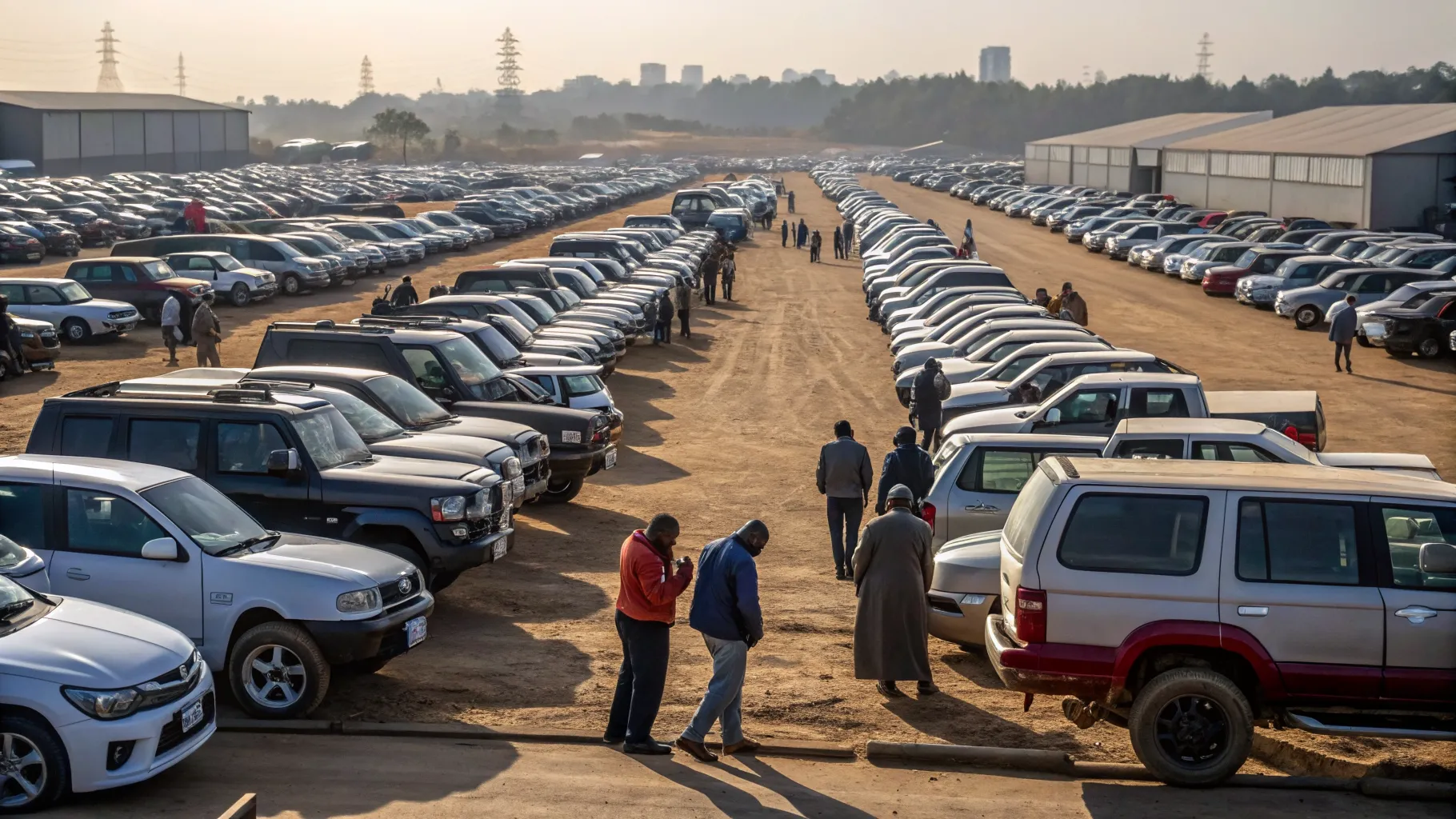
The inventory at Government seized vehicle auctions primarily originates from various federal, state, and local agencies. These vehicles are typically confiscated due to criminal activity, asset forfeiture, or abandonment. For example, law enforcement agencies may seize vehicles involved in drug trafficking, while customs might impound vehicles used for smuggling. The diverse origins contribute to the wide array of makes, models, and conditions found at these auctions. Buyers can expect to find anything from luxury cars previously owned by criminals to utilitarian government fleet vehicles nearing the end of their service life. Each vehicle has a unique backstory, which often impacts its final sale price and appeal to different buyer segments. This vast and constantly rotating inventory is what makes seized vehicle sales a continuously intriguing marketplace for consumers.
Types of Government Agencies Hosting Auctions
Several key government agencies regularly conduct vehicle auctions. The U.S. General Services Administration (GSA) is a major player, managing the disposal of surplus federal property, including vehicles. Other prominent entities include the Department of the Treasury (IRS seized property), the U.S. Marshals Service (asset forfeiture), and various state and local police departments. Each agency might have slightly different auction procedures, bidding requirements, and vehicle inspection policies. For instance, federal vehicle sales often occur online, providing broad access, while local police auctions might be in-person events. Researching the specific agency conducting the auction is paramount for understanding the rules and ensuring a smooth bidding process. This variety means that potential buyers have multiple avenues to explore for finding their ideal government seized vehicle auctions opportunities.
The Auction Process: From Inspection to Bid
Participating in Government seized vehicle auctions requires a clear understanding of the auction process. It typically begins with a thorough inspection period, where potential buyers can examine the vehicles firsthand. This step is critical, as most vehicles are sold "as-is, where-is" with no warranties. During inspection, buyers should look for mechanical issues, body damage, and check VIN numbers. Following inspection, the bidding commences, which can be live, online, or a sealed-bid format. Registration is usually required prior to bidding, often involving a deposit or proof of funds. Successful bidders are responsible for payment within a specified timeframe, usually 24-72 hours, and arranging vehicle pickup. Failing to adhere to these terms can result in forfeiture of deposits or banning from future public auto auctions. Navigating these steps effectively is key to a successful purchase at seized vehicle sales.
Maximizing Your Chances for a Great Deal
Securing a great deal at Government seized vehicle auctions involves strategy and preparation. First, establish a strict budget and stick to it, accounting for potential repair costs, taxes, and registration fees. Research the market value of desired vehicles to set realistic bidding limits. Utilize the inspection period to its fullest, perhaps bringing a mechanic for a professional opinion. Don't get caught up in bidding wars; there will always be another auction. Expanding your search to include less popular models or agencies can also yield better deals. Furthermore, understanding the specific rules for each vehicle auction is vital; some may have buyer's premiums or specific payment methods. Patience and informed decision-making are your best allies in these competitive environments, ensuring you capitalize on the potential savings offered by federal vehicle sales.
Comparing various public auto auctions platforms can also significantly impact your success. Some platforms specialize in specific types of vehicles, while others offer broader inventory. Look for auctions with detailed vehicle descriptions and multiple photos if an in-person inspection isn't feasible. Remember that vehicles from government seized vehicle auctions can sometimes come with unique titles or require specific paperwork, so verifying this beforehand is a wise move. A proactive approach to research and due diligence will consistently lead to more favorable outcomes when engaging in seized vehicle sales.
Essential Tips for First-Time Auction Goers
For newcomers to vehicle auctions, a few essential tips can make the experience smoother and more successful. Firstly, attend a few auctions as an observer before bidding to understand the pace and jargon. Secondly, pre-qualify for financing if needed, as auction sales are typically cash-only or require immediate payment. Thirdly, understand the legal implications of buying a seized vehicle; while generally straightforward, sometimes specific paperwork related to the seizure process might be involved. Fourthly, be prepared for post-auction expenses such as towing, registration, and potential repairs. Fifthly, always verify the vehicle’s VIN history report (e.g., CarFax or AutoCheck) before bidding, if possible, to uncover any hidden damage or title issues not immediately apparent during inspection. These Government seized vehicle auctions can be intimidating, but with careful preparation, they offer unparalleled opportunities for value.
Preparing for Your First Government Vehicle Auction
- Research Agencies and Listings: Begin by identifying the government agencies (e.g., GSA, U.S. Marshals, local police) that host Government seized vehicle auctions in your area or online. Regularly check their official websites for upcoming seized vehicle sales listings, paying close attention to dates, locations, and vehicle details.
- Set a Realistic Budget: Determine your maximum spending limit for a vehicle, including potential repair costs, registration fees, and taxes. Remember that "as-is" sales mean you bear the full risk of any undisclosed mechanical issues, making a buffer for repairs essential when planning for vehicle auctions.
- Conduct Thorough Pre-Inspection: Whenever possible, attend the designated inspection days. This is your only opportunity to physically examine the vehicle, start the engine (if allowed), and assess its overall condition. Bring a knowledgeable friend or a mechanic to help identify any red flags during these public auto auctions.
- Understand Terms and Conditions: Every auction has specific rules regarding registration, bidding, payment, and vehicle removal. Familiarize yourself with these terms beforehand to avoid surprises or disqualification. Pay close attention to payment deadlines and acceptable forms of payment for federal vehicle sales.
- Have Post-Auction Logistics Planned: Consider how you will transport the vehicle from the auction site. Many vehicles may not be roadworthy immediately, requiring towing. Also, factor in the time and cost associated with obtaining a new title and registration after purchasing from Government seized vehicle auctions.
Frequently Asked Questions
Are Government seized vehicle auctions open to the public?
Yes, most Government seized vehicle auctions are indeed open to the general public. While some might have specific registration requirements or be for registered bidders only, the intention is usually to liquidate assets to the highest bidder. Both online and in-person public auto auctions are accessible to individuals and businesses alike, providing ample opportunities to purchase vehicles at competitive prices.
What condition are vehicles typically in at seized vehicle sales?
The condition of vehicles at seized vehicle sales can vary widely. You might find anything from nearly new, well-maintained vehicles to those requiring significant repairs. Since most are sold "as-is, where-is," it's crucial to perform a thorough inspection or rely on detailed descriptions and photos if bidding remotely. Vehicles are not typically reconditioned before being listed at federal vehicle sales.
Can I finance a purchase from vehicle auctions?
Generally, direct financing through the auction house for vehicle auctions is not available. Most auctions require full payment within a short timeframe (e.g., 24-72 hours) after the auction ends, typically by cashier's check, wire transfer, or cash. If you plan to finance, you'll need to secure a loan from a bank or credit union *before* attending the auction and have the funds ready to pay for your purchase at Government seized vehicle auctions.
References
- Official websites of government agencies (GSA Auctions, U.S. Marshals Service)
- Automotive industry reports on secondary market sales
- Consumer guides for purchasing vehicles at auction
- Legal frameworks regarding asset forfeiture and seized property
- Online forums and communities dedicated to auction buying
Authored by MyTrendSpot team