How to Choose a Sleeping Chair for Home Use: Your Guide to Comfort
Fast Facts:
- Proper support in a sleeping chair for home use prevents back pain.
- Demand for ergonomic sleeping chair designs is growing for remote work setups.
Decoding the Essentials of a Perfect Sleeping Chair for Home Use
Choosing the ideal sleeping chair for home use is more than just selecting a piece of furniture; it's an investment in your well-being and comfort. With countless options available, understanding what truly makes an ergonomic sleeping chair can transform your rest experience, whether for napping, reading, or just unwinding after a long day. This comprehensive guide will navigate you through the critical factors to consider, ensuring you make an informed decision that perfectly suits your needs and lifestyle.
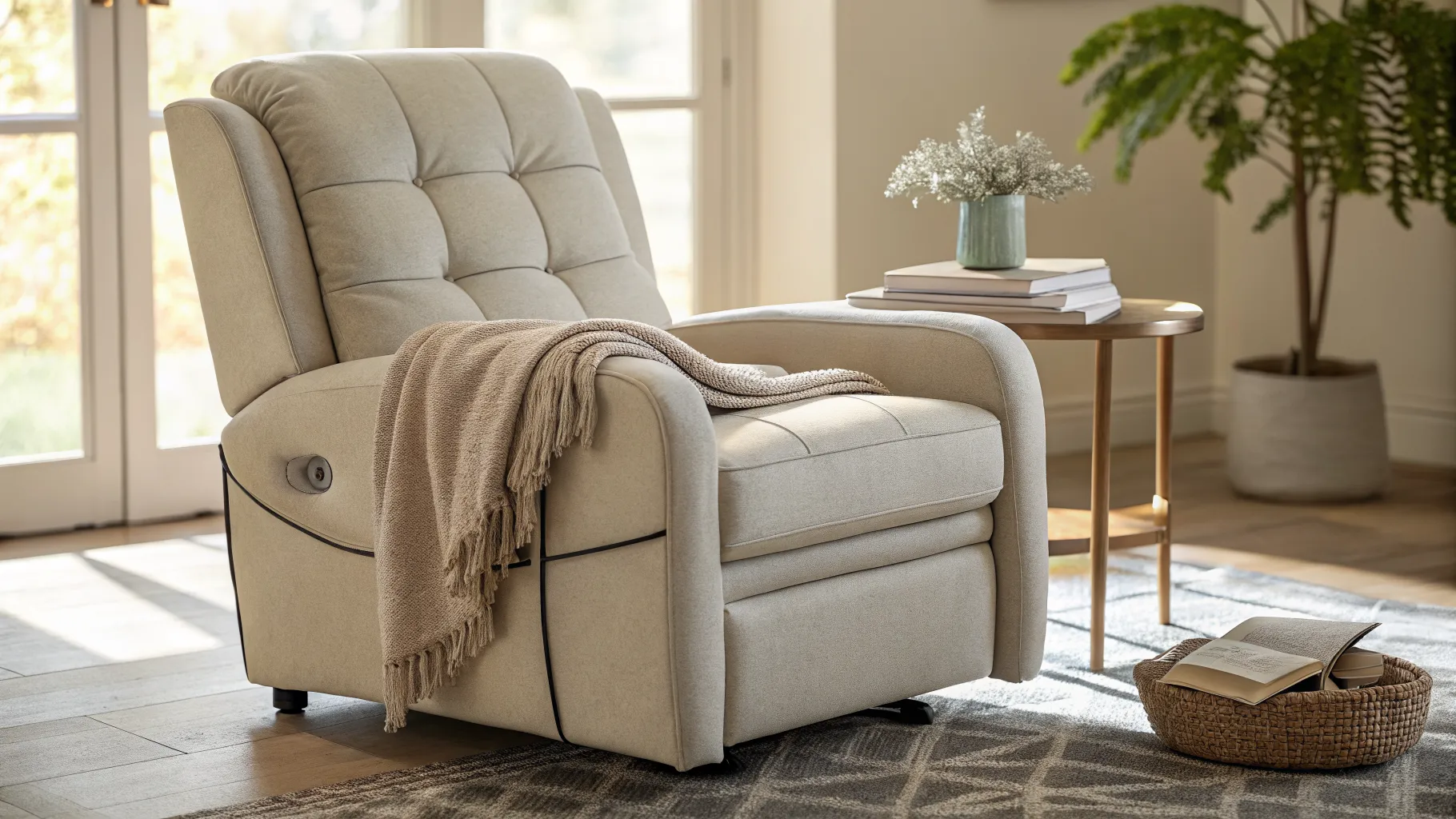
Key Considerations for Comfortable Sleeping Chair Selection
When embarking on the journey to select a comfortable sleeping chair, several crucial elements demand your attention. Ignoring these aspects could lead to regret and a less-than-optimal experience. It’s essential to approach this decision with a clear understanding of what contributes to both comfort and longevity in a piece of furniture designed for rest.
Material and Upholstery
The choice of material and upholstery profoundly impacts both the feel and durability of your sleeping chair for home use. Fabrics like microfiber offer softness and easy cleaning, ideal for high-traffic areas or homes with pets and children. Leather, while more expensive, provides a luxurious feel, exceptional durability, and develops a rich patina over time, requiring specific care. Other options include linen blends for breathability and a natural aesthetic, or synthetic blends engineered for stain resistance and wear. Consider your climate; some materials retain heat more than others, which could be a factor in warmer environments. The stuffing material, whether high-density foam, memory foam, or down-fill, also dictates the initial comfort and how well the chair retains its shape over years of use, influencing how truly comfortable the sleeping chair remains.
Adjustability and Recline Mechanisms
A truly effective ergonomic sleeping chair offers a range of adjustability to cater to various body types and preferred resting positions. Look for chairs with smooth, easy-to-operate recline mechanisms, which can be manual (lever or push-back) or powered. Power recliners often provide infinite reclining positions, allowing you to fine-tune your angle for optimal comfort and support. Some advanced models include independent headrest and lumbar support adjustments, which are invaluable for individuals with specific ergonomic needs or those who spend extended periods in the chair. The ability to lock the chair into a desired position ensures stability and prevents unwanted movement while you are resting or transitioning.
Size and Space Requirements
Before falling in love with a particular design, carefully measure your available space. A recliner for sleep or a dedicated sleeping chair can occupy a significant footprint, especially when fully reclined. Consider not just the width and depth when upright, but also the full extension needed for reclining. Ensure there's adequate clearance from walls and other furniture to allow for smooth operation. Furthermore, think about the scale of the chair relative to the room; a large, bulky chair can overwhelm a smaller space, while a too-small chair might look out of place in a grand living room. The perfect sleeping chair for home use should complement your room's dimensions and flow without creating an obstruction.
Support and Ergonomics
The core function of a comfortable sleeping chair is to provide exceptional support, crucial for spinal health and overall relaxation. An ideal chair will cradle your body, supporting the natural curves of your spine from the lumbar region to the neck. Features like built-in lumbar support, headrests, and padded armrests contribute significantly to ergonomic benefits. When testing a chair, pay attention to how your body aligns; there should be no pressure points, and your feet should ideally be able to rest flat on the floor or be comfortably elevated by a footrest or ottoman. For a true ergonomic sleeping chair, the design should actively promote good posture even in a reclined state, preventing strain on your back, neck, and shoulders.
Durability and Frame Construction
The longevity of your sleeping chair for home use largely depends on its internal construction. A robust frame, typically made from kiln-dried hardwood, steel, or a combination of both, is paramount. Avoid chairs with frames made solely from particle board or softwoods, as these are prone to warping and breakage over time. Check the joinery; dowelled, screwed, or corner-blocked joints indicate higher quality than stapled or glued-only construction. The suspension system – whether sinuous springs, eight-way hand-tied springs, or webbing – also impacts comfort and durability. Higher-quality suspension systems offer better support and prevent sagging, ensuring your sleep chair features remain effective for years to come.
Exploring Different Types of Sleeping Chairs for Home Use
The market offers a diverse range of chairs designed for various forms of rest and relaxation. Understanding the distinctions between these types is key to finding the ideal sleeping chair for home use that matches your specific needs and aesthetic preferences.
Traditional Recliners
Traditional recliners are perhaps the most common type of recliner for sleep, characterized by their ability to tilt backward and often include an extendable footrest. They come in various styles, from plush, overstuffed models to more streamlined, contemporary designs. Manual recliners require you to push back with your body weight or operate a lever, while power recliners use a motor for effortless adjustment. They are excellent for napping, watching television, or reading, providing full body support in a semi-recumbent position. Many offer customizable options like rocking or gliding functions, enhancing their appeal as a truly comfortable sleeping chair.
Zero-Gravity Chairs
Inspired by NASA's research, zero-gravity chairs position your body in a way that elevates your feet above your heart, mimicking the posture astronauts adopt during liftoff. This position is designed to evenly distribute body weight, reduce pressure on the spine, and improve circulation. While not strictly a sleeping chair for home use in the traditional sense, many find them incredibly effective for deep relaxation and even short naps due to the profound sense of weightlessness they impart. They often feature robust frames and can be manually or power-operated, making them a unique type of ergonomic sleeping chair.
Sleeper Chairs/Convertible Chairs
For spaces where versatility is key, a sleeper chair or convertible chair is an excellent solution. These chairs transform from a seating unit into a single bed, offering a practical option for overnight guests or for those living in smaller apartments who need a multifunctional piece of furniture. While the primary use is often as a regular chair, their ability to convert makes them a viable sleeping chair for home use for occasional use. Comfort can vary, so it's important to test the mattress quality and ease of conversion. They represent a smart choice for maximizing space while still providing a viable sleep chair features for guests.
Accent Chairs with Ottoman
While not a recliner, a well-designed accent chair paired with a matching ottoman can serve as a highly comfortable sleeping chair for those who prefer a more upright, yet relaxed, posture. The ottoman allows for leg elevation, which is beneficial for circulation and comfort. This combination often provides a more stylish and less bulky appearance than traditional recliners, making it suitable for living rooms where aesthetics are paramount. While it doesn't offer full recline, the ability to stretch out and relax with proper back support makes it a strong contender for a sophisticated sleeping chair for home use, particularly for reading or light napping.
Prioritizing Ergonomics: The Science of an Ergonomic Sleeping Chair
The concept of an ergonomic sleeping chair goes beyond mere comfort; it delves into the science of human physiology and optimal body support. An ergonomic design aims to minimize physical stress and maximize support, thereby promoting better posture, reducing muscle fatigue, and even improving sleep quality. Key to this is proper spinal alignment, ensuring the chair supports the natural S-curve of the spine from the lumbar region through to the neck. Features such as adjustable lumbar support, contoured backrests, and headrests that correctly position the neck are paramount. For instance, a well-designed recliner for sleep will ensure that when fully reclined, the spine maintains its natural curve, preventing pressure points and promoting relaxation. The armrests should be at a height that allows your shoulders to relax, avoiding tension in the upper back and neck. Investing in an ergonomic sleeping chair is a proactive step towards long-term health and daily comfort, mitigating the risks of back pain and discomfort associated with poorly designed seating.
Comparing Top Sleep Chair Features for Optimal Rest
When comparing different sleeping chairs for home use, a detailed look at their specific features can guide you toward the best choice. For example, a luxurious leather recliner for sleep might offer superior durability and a classic aesthetic but could be less breathable than a fabric model with advanced cooling technology. Similarly, while a zero-gravity chair offers unparalleled spinal pressure relief, its specific recline mechanism might not be as intuitive or as versatile for general lounging as a power recliner with independent headrest and footrest controls. Some chairs emphasize advanced massage functions and heating elements, which can be highly beneficial for muscle relaxation, while others focus on integrated USB charging ports and side pockets for ultimate convenience. The ideal sleep chair features will strike a balance between your personal comfort requirements, desired functionalities, and the overall design aesthetic you wish to achieve in your home. A chair with memory foam cushioning will adapt to your body's contours, providing personalized support, whereas a chair with robust spring construction will offer consistent firmness and bounce-back. Ultimately, the best choice depends on prioritizing which features offer the most value for your lifestyle and comfort needs within your budget and space.
Actionable Advice: Making Your Final Sleeping Chair Decision
Test Before You Buy: Whenever possible, visit a showroom to physically sit in and try out different sleeping chair for home use models. Spend at least 10-15 minutes in each chair, reclining fully, to get a true feel for its comfort and support. Pay close attention to how your back, neck, and legs feel in various positions, especially the lumbar support of the ergonomic sleeping chair.
Consider Your Lifestyle: Think about how you primarily intend to use the chair. Is it for daily naps, extended reading sessions, watching movies, or occasional guest sleeping? Your primary use will dictate the most important sleep chair features. If you entertain often, a stylish accent chair with an ottoman might be more suitable than a bulky recliner for sleep.
Evaluate Room Aesthetics: Ensure the chosen comfortable sleeping chair complements your existing home decor and furniture. Consider the chair's style, color, and upholstery in relation to the room's overall theme. A well-chosen chair can enhance the room's design, while a mismatched one can detract from it.
Set a Realistic Budget: Determine how much you are willing to spend. Prices for sleeping chairs for home use can vary widely based on brand, materials, features, and construction quality. While it's tempting to opt for the cheapest option, remember that a higher investment often translates to better durability and long-term comfort.
Check Warranty and Return Policies: Before finalizing your purchase, understand the manufacturer's warranty and the retailer's return policy. A good warranty indicates confidence in product quality, and a flexible return policy provides peace of mind in case the chair doesn't meet your expectations once it's in your home.
Frequently Asked Questions
What are the most important sleep chair features to look for?
The most important features for a sleeping chair for home use include robust lumbar and neck support, smooth and easy recline mechanisms (manual or power), durable upholstery that suits your lifestyle, and a comfortable cushioning material like high-density or memory foam. Adjustability for headrest and footrest can also significantly enhance comfort.
Can an ergonomic sleeping chair really improve sleep quality?
Yes, an ergonomic sleeping chair can significantly improve sleep quality, especially for naps or those who struggle with lying flat. By supporting the natural curves of your spine and reducing pressure points, it promotes better posture and muscle relaxation, which are conducive to restful sleep and can alleviate discomfort that might disrupt sleep.
How much space does a typical recliner for sleep require?
A typical recliner for sleep can require varying amounts of space depending on its design. Standard recliners generally need about 10-12 inches of wall clearance behind them to fully recline. Wall-hugger recliners are designed to recline with only a few inches of clearance, making them ideal for smaller spaces. Always check the specific dimensions of the model you are considering.
What's the difference between a traditional recliner and a zero-gravity sleeping chair for home use?
A traditional recliner offers various reclining angles to lay back and elevate the feet, providing general comfort and support. A zero-gravity sleeping chair for home use specifically positions your body to elevate your feet above your heart, distributing body weight evenly and minimizing pressure on the spine, inspired by the neutral body posture of astronauts. This unique position offers distinct therapeutic benefits for circulation and spinal decompression.
References
- Furniture Design and Ergonomics Journal
- Consumer Reports on Home Furniture
- Spine Health Foundation Guidelines
- Interior Design Monthly Publication
Authored by MyTrendSpot team