Choosing the Perfect Garden Shed for Optimal Tool Storage Solutions
Fast Facts:
- A well-chosen shed can extend tool lifespan significantly.
- Demand for compact and secure garden sheds for urban tool storage solutions is rising.
Understanding Your Needs for a Garden Shed and Tool Storage
Selecting the ideal garden shed for your horticultural and DIY equipment is more than just picking a structure; it's about optimizing your outdoor space and ensuring efficient tool storage solutions. A thoughtfully chosen shed not only protects your valuable tools from the elements but also streamlines your gardening workflow, preventing clutter and making every task more enjoyable. This guide will walk you through the essential considerations, helping you make an informed decision for long-term satisfaction and utility.
Evaluating Shed Materials and Durability for Tool Storage
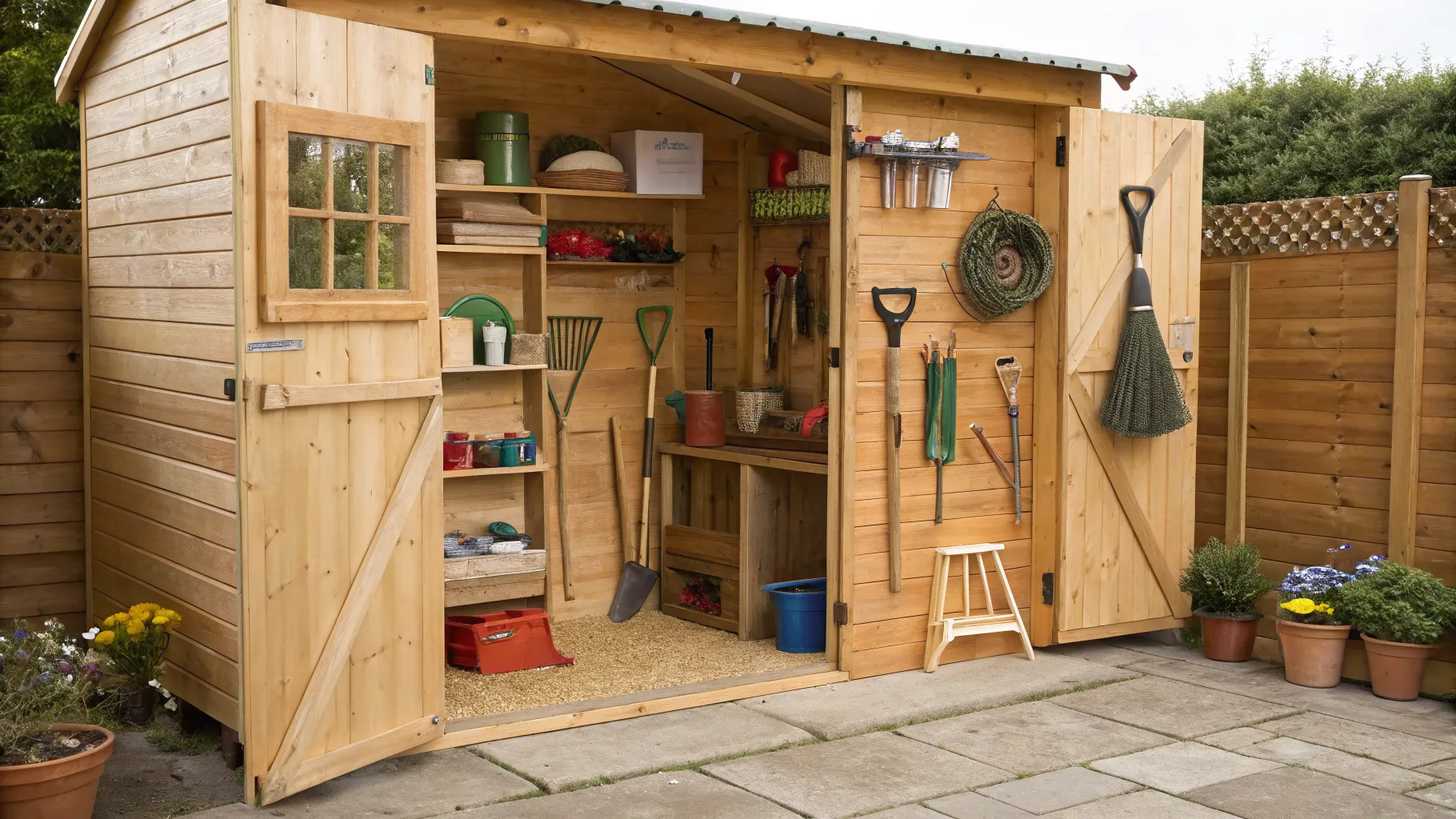
The material of your garden shed is a foundational decision influencing its longevity, maintenance requirements, and overall aesthetic. Each option presents distinct advantages and considerations, especially when it comes to housing diverse tool storage solutions. Wooden sheds offer a classic appeal and are highly customizable, allowing for easy shelving and hook installation. However, they demand regular treatment against rot, pests, and weather. Metal sheds, typically made from galvanized steel, are remarkably durable, fire-resistant, and low-maintenance, making them excellent for secure tool storage. Their primary drawbacks can be condensation issues and a potentially less appealing look, though modern designs are improving. Plastic or resin sheds are lightweight, easy to assemble, and require virtually no maintenance. They are resistant to rot, rust, and pests, but might not offer the same level of security or customization as wood or metal, particularly for heavy-duty tools. Consider the climate in your region and the types of tools you plan to store when making this critical choice regarding shed materials.
Wooden Sheds: Customization and Aesthetic Appeal
Wooden garden sheds remain a popular choice due to their natural appearance and versatility. They blend seamlessly into most garden landscapes and offer immense flexibility for internal customization. You can easily add shelves, workbenches, and specialized racks for various tool storage solutions. When selecting a wooden shed, prioritize treated timber or consider applying a robust wood preserver annually to protect against moisture, fungal decay, and insect infestations. Look for sheds with robust framing and tongue-and-groove cladding for superior strength and weather resistance. The initial investment might be higher, but the potential for personalization and their timeless aesthetic make them a strong contender for discerning gardeners.
Metal Sheds: Security and Low Maintenance
For those prioritizing security and minimal upkeep, metal garden sheds are an excellent option. Constructed from steel or aluminium, they are incredibly durable and offer superior protection against forced entry, a crucial aspect for valuable tool storage. Galvanized steel sheds are particularly robust and resistant to rust, though cheaper models might be susceptible to dents. While internal customization isn't as straightforward as with wood, many metal sheds come with pre-drilled holes or accessory kits for shelving. Ventilation is key in metal sheds to prevent condensation, which can affect metal tools. Ensure the shed includes adequate vents or consider adding a dehumidifier, especially if storing sensitive equipment. Their fire-resistant properties also add an extra layer of safety for contents like fuels or chemicals.
Resin/Plastic Sheds: Affordability and Ease of Assembly
Resin or plastic garden sheds are gaining popularity for their convenience and affordability. Made from high-density polyethylene (HDPE) or other durable plastics, these sheds are remarkably lightweight, making assembly relatively simple, often requiring just a few hours. They are completely impervious to rot, rust, and pests, offering a truly maintenance-free exterior. While generally less robust than wood or metal, modern plastic sheds feature reinforced walls and robust designs, making them suitable for general tool storage. Integrated shelving and skylights are common features, enhancing their utility. They are an ideal choice for quick setup, easy relocation, and for those who prefer not to deal with painting or treating their shed.
Determining the Optimal Shed Size and Location
Before you commit to a garden shed, carefully assess your current and future tool storage needs. Consider not just your hand tools but also larger items like lawnmowers, wheelbarrows, and even bicycles. Measure your biggest items to ensure they will fit through the door and can be maneuvered inside. A common mistake is underestimating the required space. It’s always better to go slightly larger than you think you need to accommodate future purchases or additional garden shed organization systems. Furthermore, the placement of your shed is crucial. Choose a level site with good drainage to prevent moisture buildup and foundation issues. Consider proximity to electrical outlets if you plan to use power tools or lighting, and ensure easy access to your garden and other working areas. The orientation can also impact sun exposure and potential fading or overheating inside.
Planning Internal Layout for Efficient Tool Storage
Once the shed size and location are determined, think about the internal layout. Effective garden shed organization is key to maximizing space and accessibility. Consider wall-mounted shelving, pegboards for hand tools, overhead racks for long-handled implements, and dedicated hooks for larger items. Vertical storage is invaluable in smaller sheds. Drawer units and plastic bins can keep smaller accessories tidy and protected. Plan for pathways and clear zones, ensuring you can easily retrieve tools without having to move everything else. Custom-built solutions, such as bespoke benches or integrated cupboards, can further enhance the functionality of your garden shed, transforming it into a highly efficient workspace.
Essential Security Features for Protecting Your Tools
Protecting your valuable garden tools and equipment should be a top priority when choosing a garden shed. Investing in robust shed security features can deter opportunistic thieves and provide peace of mind. Look for sheds with strong, secure doors and windows. Double-hung doors with internal bolts offer better protection than single doors. Windows, if present, should be made of toughened glass or polycarbonate and ideally be non-opening or fitted with internal security bars. The type of locking mechanism is also critical. A sturdy padlock paired with a strong hasp and staple, bolted through the door and frame, is a minimum. For higher security, consider a mortise lock or even a multi-point locking system for your garden shed. Ground anchors for securing larger items internally also add an extra layer of protection.
Foundation and Installation for Your Garden Shed
A solid foundation is paramount for the longevity and stability of any garden shed. Neglecting this step can lead to structural problems, dampness, and difficulty with door alignment over time. Common foundation options include a concrete slab, paved slabs on a compacted base, or a timber frame base. Each option has its own benefits and suitable applications, depending on the shed's size, weight, and the ground conditions. A concrete slab offers the most durable and stable base, ideal for larger or heavier sheds and extensive tool storage. Paved slabs are a good mid-range option, providing good drainage and stability. Timber bases are elevated, offering excellent airflow underneath to prevent dampness, but require careful leveling. Always ensure the foundation is perfectly level and extends slightly beyond the shed's footprint to protect the base from splashes. Proper installation, whether DIY or professional, ensures the shed is weatherproof and secure.
Actionable Advice for Maximizing Garden Shed Utility
To truly get the most out of your new garden shed and its integrated tool storage solutions, consider these actionable steps:
- Optimize Vertical Space: Install shelves, pegboards, and wall-mounted racks from floor to ceiling. This frees up floor space for larger items and makes smaller tools easily accessible. Use magnetic strips for metal tools.
- Zone Your Storage: Designate specific areas for different types of tools – hand tools, power tools, gardening chemicals, pots, etc. This helps maintain order and efficiency, making it easier to find what you need.
- Improve Lighting: Good lighting is crucial, especially in winter months or for evening tasks. Install battery-powered LED lights or, if feasible, run electricity for a fixed light source and power outlets for charging tools.
- Ensure Proper Ventilation: To prevent moisture buildup, mildew, and rust on tools, ensure your shed has adequate ventilation. This can include vents, opening windows, or even a small solar-powered fan.
- Regular Decluttering: Periodically review your shed contents. Remove items you no longer use, repair broken tools, and reorganize as needed. A well-maintained shed is always a joy to use for efficient tool storage.
- Consider a Workbench: Even a small fold-down workbench can transform your shed into a functional workspace for minor repairs, potting, or craft projects. Ensure it's sturdy enough for your intended use.
Frequently Asked Questions
What are the best shed materials for long-term tool storage?
The best shed materials for long-term tool storage depend on your priorities. Wood offers customization and aesthetics but requires maintenance. Metal provides superior security and durability with low maintenance, though condensation can be an issue. Plastic/resin sheds are affordable, easy to assemble, and maintenance-free, ideal for general storage and mild climates.
How important is shed security for garden tools?
Shed security is extremely important, especially if you store valuable or expensive garden tools. Robust locks, strong doors, reinforced windows, and even internal anchoring systems can deter thieves and protect your investment. An unsecured shed is an open invitation for opportunistic theft, potentially costing you more in replacements.
Can I install a garden shed myself, or do I need a professional?
Many smaller or medium-sized garden sheds, particularly plastic or lightweight metal models, are designed for DIY assembly with basic tools. However, larger, heavier wooden or metal sheds, or those requiring a concrete slab foundation, might benefit from professional installation to ensure structural integrity, proper leveling, and weatherproofing. Always read the manufacturer's instructions carefully.
How do I prevent rust on tools stored in a garden shed?
To prevent rust on tools stored in a garden shed, focus on controlling moisture. Ensure good ventilation within the shed, consider using desiccant packs or a dehumidifier, especially in humid climates. Always clean and dry tools thoroughly before storage. Applying a thin layer of oil (like 3-in-1 oil) to metal surfaces before storing them for extended periods can also provide an effective barrier against rust.
References
- Garden Structure Design Principles: Material and Form Selection
- Best Practices for Home Tool Organization and Storage
- Outdoor Building Construction: Foundations and Weatherproofing
- Security Enhancements for Residential Outbuildings
- Sustainable Garden Design: Integrating Storage Solutions
Authored by MyTrendSpot team