How to Choose Mold-Resistant Outdoor Rugs for a Lasting Patio
Facts:
- Humidity significantly increases mold risk.
- Consumer demand for durable outdoor rugs shows a 15% increase for easy-care solutions.
Mastering the Selection of Mold-Resistant Outdoor Rugs
Selecting the perfect mold-resistant outdoor rugs for your patio or deck involves more than just aesthetics; it's about making an informed choice to ensure longevity and hygiene. Outdoor environments, with their fluctuating temperatures and moisture levels, create ideal conditions for mold and mildew growth. Understanding which materials and features contribute to a rug's ability to resist these common issues is paramount for any homeowner looking to maintain a beautiful and healthy outdoor living space. This guide will delve into the critical aspects of choosing durable outdoor rugs that stand up to the elements.
Understanding Materials for Optimal Mildew Prevention
The foundation of a truly mold-resistant outdoor rug lies in its material composition. Natural fibers like jute, sisal, and cotton are highly absorbent and prone to retaining moisture, making them unsuitable for damp conditions where mildew prevention is key. Instead, focus on synthetic outdoor rug materials specifically engineered for outdoor use. Polypropylene, often referred to as olefin, is a top contender due to its inherent resistance to water absorption and rapid drying properties. It’s also naturally stain-resistant and holds up well against UV radiation, preventing fading and degradation. Polyester, another excellent choice, offers a softer feel while still providing good water and mold resistance, though it might take slightly longer to dry than polypropylene. PVC and recycled plastics are also emerging as viable options, offering extreme durability and resistance to moisture. Each of these materials is designed to shed water rather than absorb it, which is the primary mechanism for preventing mold and mildew from taking hold.
Key Features of Durable Outdoor Rugs
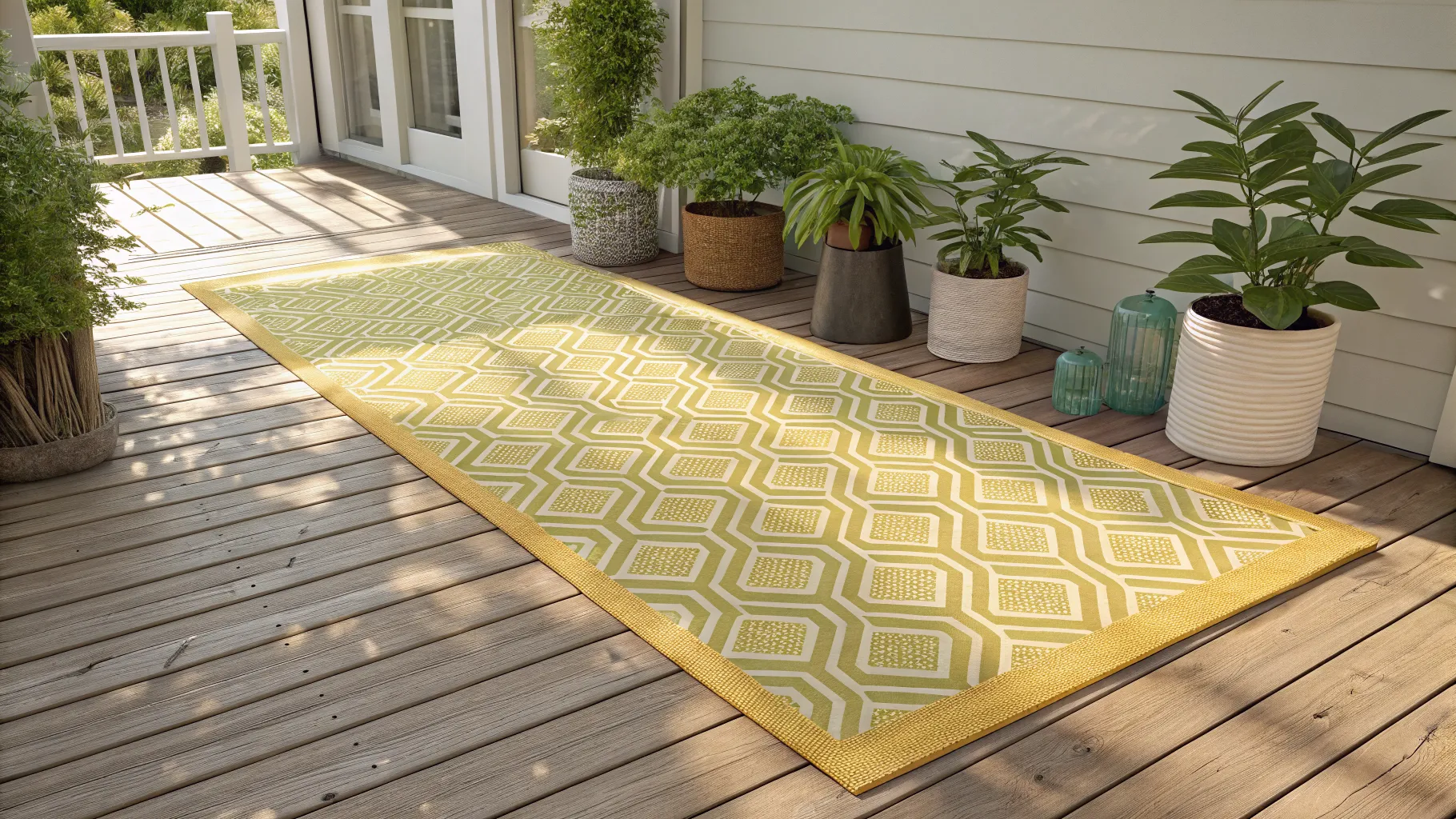
Beyond the primary material, several other features contribute to the overall durability and mold-resistant qualities of an outdoor rug. Look for rugs with a low pile or flat-weave construction. These designs minimize areas where moisture and debris can collect and become trapped, facilitating quicker drying and easier cleaning. High-pile rugs, while comfortable indoors, can become waterlogged and provide a breeding ground for mold outdoors. Consider the rug's backing material as well; a non-absorbent backing, such as rubber or a specialized synthetic, will further prevent moisture from seeping into the rug and the surface beneath it. Furthermore, UV stabilization is crucial. Sunlight can break down fibers, making them more porous and susceptible to moisture absorption. A rug labeled as UV-resistant will maintain its structural integrity and color vibrancy longer, indirectly contributing to its mildew prevention capabilities. Ensure the edges are well-bound or machine-finished to prevent fraying, which can also compromise the rug's longevity and create moisture traps.
The Importance of Outdoor Rug Drainage and Location
Even the most waterproof outdoor rugs can succumb to mold if not properly managed. Proper outdoor rug drainage is paramount. When placing your rug, ensure it is on a surface that allows water to drain away freely, such as a slatted deck or permeable patio. Placing a rug directly on a solid, non-draining surface like concrete without adequate airflow underneath can trap moisture between the rug and the ground, creating a perpetually damp environment. This trapped moisture significantly increases the risk of mold, even with highly resistant materials. Consider using a breathable rug pad underneath, especially on solid surfaces, to elevate the rug slightly and allow for better airflow, enhancing mildew prevention. Regularly rotate or lift your rug to allow the underlying surface and the rug itself to dry completely. If your outdoor area is particularly prone to rain or heavy dew, choose a location that offers some overhead protection, or be prepared to roll up and store your rug during extended periods of wet weather. Thoughtful placement and an understanding of water flow are critical for maintaining a mold-resistant outdoor rug.
Cleaning and Maintenance for Waterproof Outdoor Rugs
While choosing mold-resistant outdoor rugs is the first step, regular cleaning and maintenance are essential for long-term mildew prevention. Even waterproof outdoor rugs can accumulate dirt, pollen, and organic debris, which can serve as food for mold spores. Establish a routine for vacuuming or sweeping your outdoor rug to remove loose dirt. For deeper cleaning, most synthetic outdoor rug materials can be hosed down with water and a mild detergent. Always allow the rug to dry completely and thoroughly on both sides before placing it back down. If you notice any signs of mold or mildew, act quickly. A solution of white vinegar and water (1:1 ratio) can be effective for treating small areas. For more stubborn mold, specialized outdoor fabric cleaners designed to kill mildew without harming the fabric are available. Avoid harsh chemicals like bleach, which can damage the fibers and compromise the rug's durable outdoor rugs properties over time. Consistent care ensures your rug remains vibrant and free from unwelcome growth.
Comparing Synthetic Outdoor Rug Materials for Performance
When it comes to synthetic outdoor rug materials, each option presents a unique profile of benefits, impacting its overall performance as a mold-resistant outdoor rug. Polypropylene (Olefin) is renowned for its excellent water resistance, quick drying time, and affordability, making it a highly popular choice for high-traffic areas. It's also very resistant to fading, crucial for prolonged sun exposure. Polyester offers a softer feel and good durability, often found in designs mimicking natural fibers, but can sometimes be slightly less quick-drying than polypropylene. Nylon, though less common for outdoor rugs, provides exceptional strength and abrasion resistance, but its absorbency can be higher than polypropylene, requiring more diligent outdoor rug drainage and drying practices. Recycled plastics, such as PET, are an environmentally friendly option that delivers impressive water and stain resistance, making them increasingly popular for durable outdoor rugs. Acrylic offers a wool-like texture and good resistance to fading, but it can be more expensive. Evaluating these materials against your specific climate, expected use, and aesthetic preferences will help you make the best choice for a truly mold-resistant outdoor rug.
Actionable Advice for a Mold-Free Outdoor Rug
- Select the Right Material: Prioritize synthetic outdoor rug materials like polypropylene or polyester for their inherent water resistance and quick-drying properties, crucial for mildew prevention.
- Consider Weave and Pile: Opt for low-pile or flat-weave rugs to minimize moisture retention and facilitate outdoor rug drainage.
- Ensure Proper Placement: Place your rug on a surface with good drainage and consider a breathable rug pad to promote airflow underneath, preventing trapped moisture.
- Regular Cleaning Schedule: Vacuum or sweep frequently, and hose down with mild detergent when needed. Always allow the rug to dry completely on both sides to prevent mold growth.
- Promptly Address Moisture: After heavy rain or hosing, lift or tilt the rug to ensure full air circulation and drying. This is vital for maintaining a mold-resistant outdoor rug.
- Store Properly Off-Season: If storing, ensure the rug is completely dry before rolling and storing in a cool, dry place to avoid any residual moisture leading to mold.
Frequently Asked Questions
Can natural fiber rugs be mold-resistant outdoor rugs?
Generally, no. Natural fibers like jute, sisal, and cotton absorb and retain moisture, making them highly susceptible to mold and mildew. For true mildew prevention, it is always recommended to choose synthetic outdoor rug materials specifically designed for outdoor use.
How often should I clean my waterproof outdoor rugs to prevent mold?
For optimal mildew prevention, it's advisable to vacuum or sweep your outdoor rug weekly to remove debris. Deep cleaning with a hose and mild detergent should be done every few weeks or monthly, especially after heavy use or exposure to rain. Always ensure it dries completely.
What is the best way to dry an outdoor rug after it gets wet?
To ensure proper outdoor rug drainage and drying, lift the rug and hang it over a railing or two chairs, allowing air to circulate freely on both sides. If possible, place it in a sunny spot. Ensure it is completely dry before laying it back down to prevent mold.
Are all synthetic outdoor rug materials equally mold-resistant outdoor rugs?
While most synthetic outdoor rug materials offer good resistance, polypropylene (olefin) is generally considered superior due to its excellent water-shedding properties and quick-drying nature. Polyester and recycled plastics also perform very well, providing good mildew prevention.
Can mold on an outdoor rug spread to my indoor spaces?
Yes, mold spores are airborne and can easily be tracked indoors on shoes, pets, or even through open doors and windows. A mold-resistant outdoor rug helps minimize this risk, but any existing mold on an outdoor rug should be treated promptly to prevent indoor contamination.
References
- Consumer Guide to Outdoor Textiles and Materials
- Research on Synthetic Fiber Durability in Humid Environments
- Best Practices for Patio Maintenance and Mold Prevention
- Impact of UV Radiation on Outdoor Fabric Longevity
- Homeowner Survey on Outdoor Decor Priorities
Authored by MyTrendSpot team