Mastering Outdoor Plant Care: Choosing Self-Watering Planters for Your Garden
Facts:
- Self-watering planters reduce watering frequency by up to 75%.
- Sub-irrigation systems are trending for urban gardening and busy homeowners.
The Essential Guide to Selecting Outdoor Self-Watering Planters
Choosing the right self-watering planters for your outdoor space can transform your gardening experience, offering a consistent and reliable water supply to your plants. This innovative solution takes the guesswork out of daily watering, especially crucial during hot summer months or for gardeners with busy schedules. Understanding the various types and features of outdoor self-watering planters is key to ensuring your plants thrive with optimal hydration, preventing both over and under-watering issues that commonly plague traditional container gardening.
Understanding the Mechanics of Self-Watering Systems
At its core, a self-watering planter operates on the principle of sub-irrigation, where water is supplied from a reservoir at the bottom of the planter directly to the plant's roots. This method encourages deeper root growth and more efficient water uptake compared to top-down watering. There are several primary mechanisms for how these systems work, each with its own advantages. The most common types include wick systems, wherein a fabric wick draws water from the reservoir up into the soil, and capillary action systems, where the soil itself wicks moisture upwards. Some advanced designs feature float indicators to show water levels, making maintenance even simpler. Proper selection for outdoor plant irrigation depends heavily on understanding these internal workings and how they align with your specific plant needs and climate conditions. This fundamental knowledge is crucial for anyone looking to optimize their container gardening solutions effectively.
Key Factors When Choosing Outdoor Self-Watering Planters
Material Durability and Aesthetic Appeal
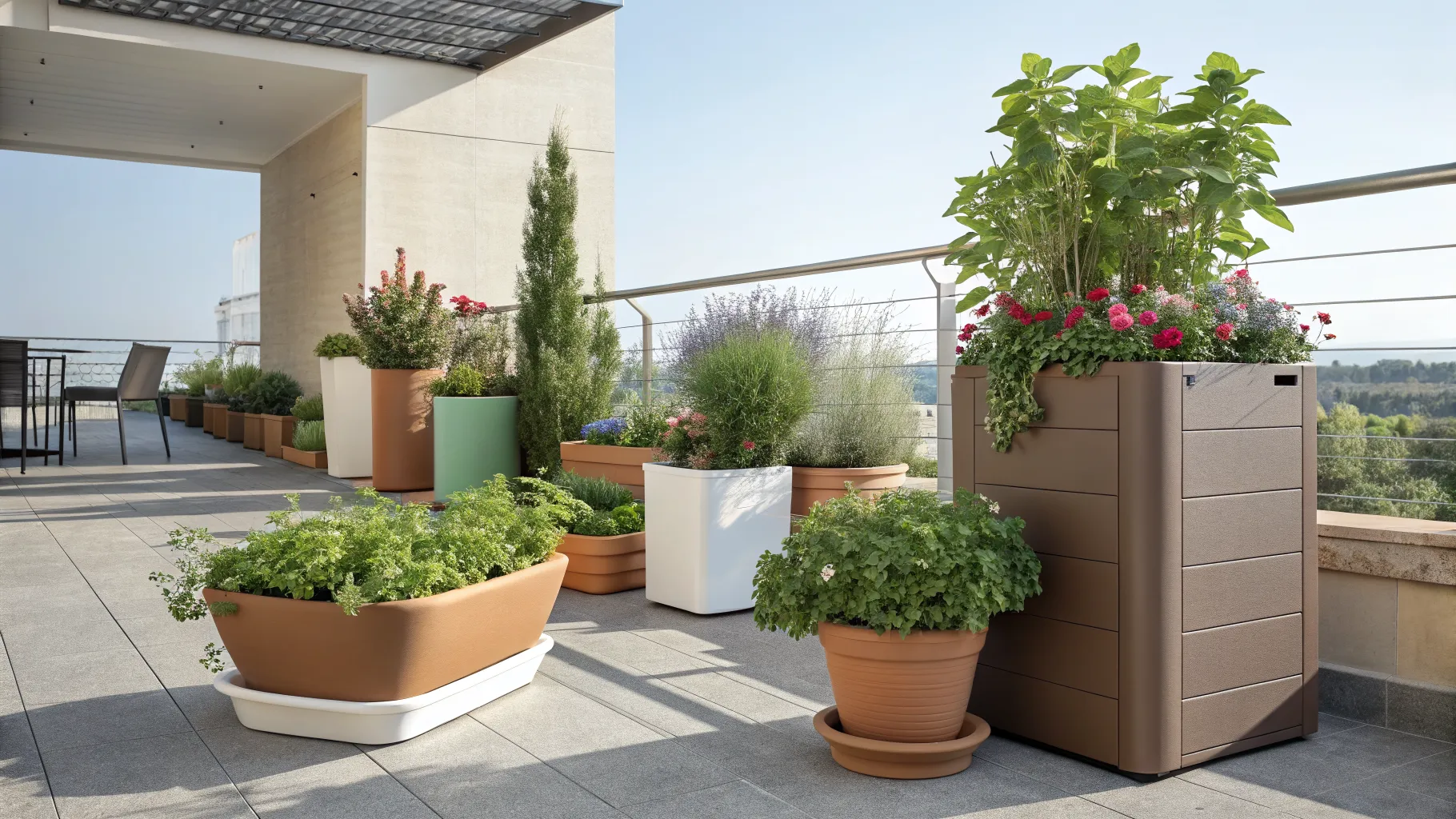
When selecting outdoor self-watering planters, the material plays a significant role in both durability and visual integration with your outdoor decor. Common materials include plastic, terracotta, ceramic, and metal. Plastic planters are lightweight, affordable, and often come in a wide range of colors and styles, making them versatile for various aesthetics. They are also excellent at retaining moisture, which is ideal for outdoor plant irrigation. Terracotta and ceramic offer a more natural, classic look, but can be heavier and more prone to breakage. Metal planters provide a modern, industrial feel but can heat up quickly in direct sun, potentially affecting root temperatures. Consider UV resistance for plastic options and frost resistance for ceramic or terracotta in colder climates. The chosen material should not only look good but also withstand the elements over time, ensuring your container gardening solutions remain effective and attractive for seasons to come.
Reservoir Size and Watering Frequency
The size of the water reservoir within your self-watering planter directly dictates how often you will need to refill it. Larger reservoirs mean less frequent watering, which is a major benefit for busy gardeners or those planning extended absences. For small plants or those with lower water needs, a smaller reservoir may suffice. However, for thirsty plants like tomatoes or large flowering annuals, a generous reservoir is essential to maintain consistent moisture. Consider the plant's water requirements, the climate, and your personal watering habits. A good rule of thumb for effective outdoor plant irrigation is to choose planters with reservoirs that can sustain your plants for at least a few days, or ideally a week, reducing the constant chore of manual watering and ensuring healthy growth without interruptions. This consideration is vital for long-term success with sub-irrigation planters (SIPs).
Drainage and Aeration Features
While self-watering planters are designed to provide consistent moisture, proper drainage and aeration remain critical for plant health. Most quality systems incorporate an overflow drain to prevent waterlogging during heavy rains, which is crucial for outdoor plant irrigation. This feature ensures that excess water can escape, protecting roots from rot. Additionally, adequate aeration in the soil is vital for root respiration. Some designs include aeration screens or channels between the soil and the water reservoir to facilitate air circulation. When evaluating different wick system planters or other self-watering designs, always check for these features. Good drainage and aeration are non-negotiable for preventing root diseases and promoting vigorous plant growth, even in a system designed for hands-off watering. Ignoring these aspects can lead to unhealthy plants despite the convenience of the system.
Ease of Refilling and Maintenance
The convenience of a self-watering planter extends beyond just its automatic hydration capabilities; how easy it is to refill and maintain is also paramount. Look for planters with easily accessible fill tubes or openings that allow for quick and mess-free watering. Some designs feature integrated water level indicators, which are incredibly helpful for knowing when a refill is needed without disturbing the plant. Furthermore, consider how easy the planter is to clean at the end of the season. Systems that can be easily disassembled or have smooth, non-porous surfaces will simplify the task of removing old soil and sanitizing for the next planting cycle. Ease of maintenance significantly enhances the overall appeal of container gardening solutions and ensures that the self-watering system remains a benefit, not a burden.
Plant Type Compatibility
Not all plants are equally suited for self-watering planters. While many common annuals, vegetables, and herbs thrive in the consistent moisture provided by these systems, some plants prefer drier conditions or have specific drainage requirements. For instance, succulents and cacti generally do not fare well in consistently moist environments and are better suited for traditional planters with excellent drainage. Conversely, thirsty plants like tomatoes, peppers, impatiens, and many ferns excel in wick system planters. Always research the specific water needs of your chosen plants. Matching the plant's requirements with the planter's capabilities is essential for successful outdoor plant irrigation and overall plant health. Ensure that the sub-irrigation planters (SIPs) you select will truly benefit your intended botanical residents.
Comparing Different Self-Watering Planter Designs
When you're ready to invest in self-watering planters, you'll encounter a variety of designs, each with unique benefits. Standard designs often feature a simple internal reservoir and a fill tube, relying on capillary action or a single wick for water transport. These are typically affordable and effective for a wide range of plants. More advanced systems might include multiple wicks, larger, more complex reservoir designs, or even integrated fertilization ports, ideal for intensive container gardening solutions. Some modular systems allow you to connect several planters, sharing a central water reservoir for even greater efficiency in outdoor plant irrigation. Consider the scale of your gardening project and the level of automation you desire. Evaluating these design differences will help you choose the most suitable self-watering planters that align with your gardening style and plant care goals, enhancing your overall gardening experience.
Actionable Advice for Maximizing Your Self-Watering Planter Experience
Tips for Optimal Performance of Your Self-Watering Planters
- Use a High-Quality Potting Mix: Select a well-draining, lightweight potting mix that is specifically designed for containers. This ensures proper aeration and allows the wick system planters or other self-watering mechanisms to function efficiently by facilitating good capillary action. Avoid heavy garden soil.
- Monitor Water Levels Regularly: Even with a self-watering system, it's wise to check the water reservoir level, especially during hot, windy weather or when plants are actively growing. Many sub-irrigation planters (SIPs) have indicators, but a quick visual check ensures your plants never go thirsty, optimizing outdoor plant irrigation.
- Fertilize Appropriately: Since water in self-watering planters comes from below, nutrients can be flushed downwards. Use slow-release fertilizers mixed into the soil or liquid fertilizers added to the reservoir, following product instructions carefully to avoid over-fertilization.
- Clean Between Seasons: At the end of each growing season, thoroughly clean your outdoor self-watering planters. Remove old soil, scrub away mineral deposits or algae from the reservoir and wicking components, and sterilize them to prevent disease carryover to the next planting.
- Consider Plant Grouping: Group plants with similar water and light requirements together in the same container gardening solutions. This ensures that all plants in a specific planter are receiving appropriate hydration and light, leading to healthier growth and simplified care.
Frequently Asked Questions
Do self-watering planters prevent root rot?
When properly used, self-watering planters are designed to prevent root rot by supplying water from below, allowing the roots to draw only what they need. This avoids the constant saturation that occurs with overhead watering, which can lead to waterlogged soil and root rot. However, it's crucial to ensure the planter has an overflow drain to prevent overfilling during rain.
Can I use any plant in a self-watering planter?
Most plants that thrive in consistently moist soil, such as many annuals, vegetables, and herbs, do very well in self-watering planters. However, plants that prefer drier conditions, like succulents, cacti, or some drought-tolerant perennials, are generally not suitable as the continuous moisture can lead to problems. Always match the plant's water needs to the system's capabilities for effective outdoor plant irrigation.
How often do I need to refill self-watering planters?
The refill frequency for outdoor self-watering planters depends on several factors: the size of the reservoir, the plant's water needs, the plant's size, and environmental conditions (temperature, humidity, wind). Smaller reservoirs and thirstier plants in hot weather will require more frequent refills. Generally, they extend watering intervals from daily to several days or even a week, a key benefit of sub-irrigation planters (SIPs).
Are self-watering planters good for beginners?
Yes, self-watering planters are excellent for beginner gardeners because they significantly reduce the most common plant care mistake: inconsistent watering. They simplify the process of outdoor plant irrigation, making it easier to maintain healthy plants and enjoy successful container gardening solutions without constant vigilance.
What is the best type of potting mix for self-watering planters?
The best potting mix for self-watering planters is a high-quality, lightweight, and well-draining soilless mix. Look for mixes specifically formulated for containers that include components like perlite, vermiculite, or coco coir to ensure good aeration and capillary action. Avoid heavy garden soil, which can compact and impede the wicking process in wick system planters.
References
- The Benefits of Sub-Irrigated Planters in Urban Environments
- Advanced Watering Techniques for Container Gardens
- Understanding Capillary Action in Plant Hydration Systems
- Guide to Choosing Planter Materials for Outdoor Use
- Sustainable Gardening Practices with Self-Watering Technology
Authored by MyTrendSpot team