Mastering Outdoor Comfort: How to Pick a Patio Heater for Windy Conditions
Fast Facts:
- Wind can reduce patio heater efficiency by up to 50%.
- The demand for durable outdoor heating solutions for commercial and residential spaces is projected to increase significantly.
Mastering Outdoor Comfort: Selecting the Ideal Patio Heater for Windy Conditions
Enjoying your outdoor living space often hinges on comfort, and when the wind picks up, a standard patio heater can quickly become ineffective or even a safety hazard. Learning how to pick a patio heater for windy conditions is crucial for ensuring your gatherings remain warm and secure. This guide will delve into the essential features, types, and considerations that make a heater suitable for breezy environments, helping you choose a wind-resistant patio heater that stands strong against the elements.
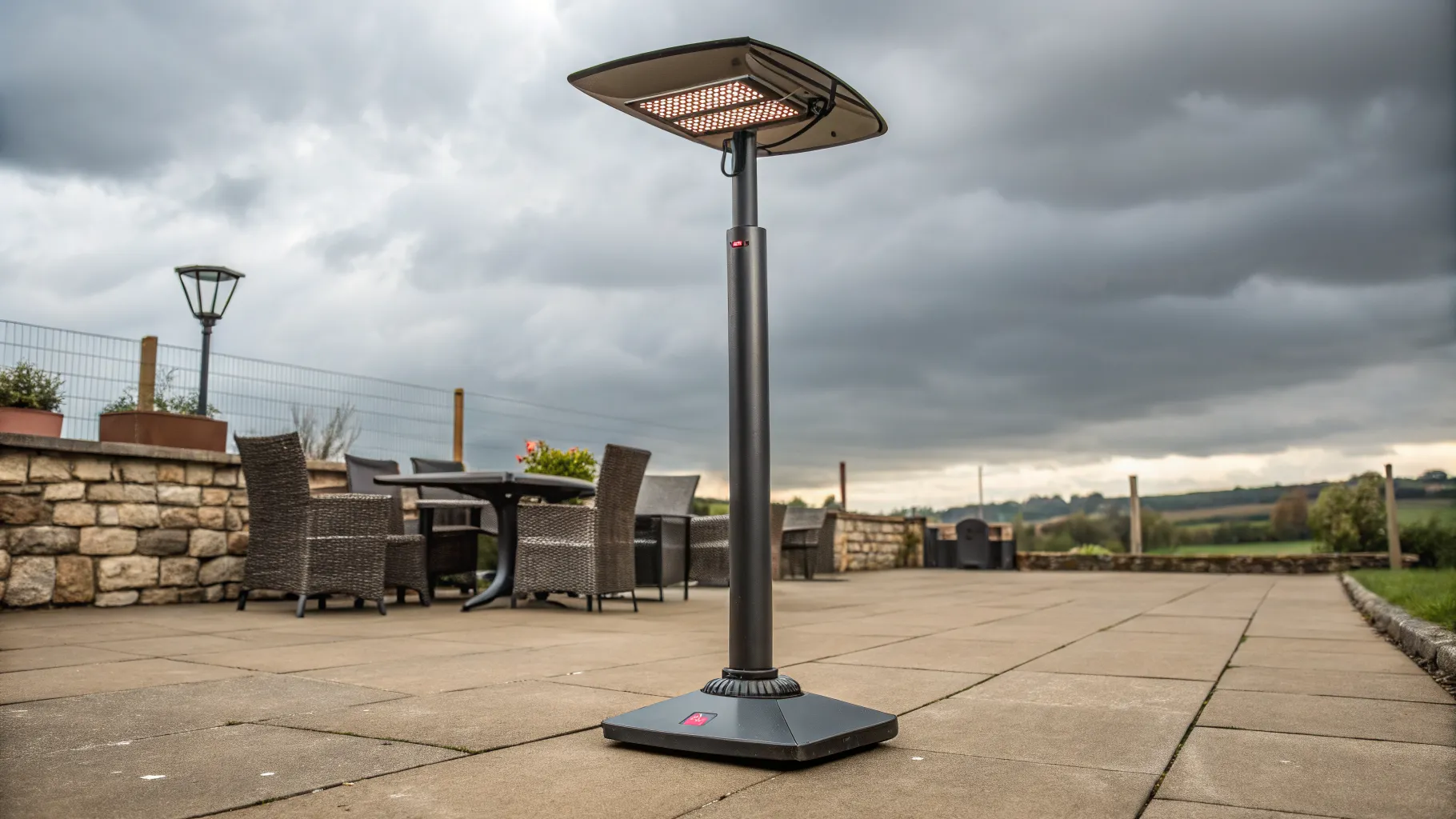
Understanding the Challenges of Wind for Patio Heaters
Wind poses several significant challenges to the performance and safety of outdoor heating solutions. Primarily, it can drastically diminish a heater's efficiency by rapidly dispersing heat before it can effectively warm your space. Furthermore, strong gusts can compromise the structural integrity of less stable models, leading to dangerous tip-overs. Addressing these issues is fundamental when considering outdoor heating in wind.
Heat Loss and Efficiency
The most immediate effect of wind on a patio heater is the accelerated dissipation of heat. Convection heaters, which warm the surrounding air, are particularly vulnerable as wind carries away the heated air almost as quickly as it's generated. This results in a continuous struggle for the heater to maintain a comfortable temperature, leading to higher fuel consumption and reduced effectiveness. Understanding this dynamic is key to selecting a heating technology that minimizes heat loss in breezy environments.
Structural Integrity and Safety Concerns
Beyond efficiency, wind presents a critical safety risk. Heaters with light bases or tall, narrow designs are prone to tipping over in strong winds, potentially causing damage, injury, or fire hazards, especially if they are gas-powered. Therefore, assessing the patio heater stability is paramount. Manufacturers often incorporate features like weighted bases, anchoring options, and tip-over safety switches to mitigate these risks, but recognizing their importance during your selection process is vital.
Key Features of a Wind-Resistant Patio Heater
When searching for a heater built to brave the breeze, several design and functional characteristics stand out. Prioritizing these features will ensure you invest in a patio heater for windy conditions that delivers both warmth and peace of mind.
Weight and Base Stability
A heavy, broad base is perhaps the most fundamental feature of a wind-resistant patio heater. Heaters with substantial weight, often achieved through cast iron bases or internal compartments that can be filled with sand or water, are far less likely to be toppled by wind. Look for models with a low center of gravity and a wide footprint, as these design elements inherently provide superior patio heater stability.
Construction Materials and Durability
The materials used in a patio heater's construction are critical for its longevity and performance in harsh weather. Stainless steel, powder-coated aluminum, and durable plastics are excellent choices for resisting rust, corrosion, and general wear and tear from exposure to wind, rain, and UV rays. A robust build ensures the heater can withstand not only the physical force of wind but also the long-term effects of an outdoor environment.
Heating Element Technology
The type of heating element significantly impacts how well a patio heater performs in windy conditions. Infrared patio heater technology is often superior in this regard. Unlike traditional convection heaters that warm the air, infrared heaters emit radiant heat that directly warms objects and people in its path, much like the sun. This direct heating method is far less affected by wind, as the heat energy is not easily blown away, making it an excellent choice for maintaining comfort outdoors.
Safety Mechanisms
For any outdoor appliance, safety is paramount. In windy conditions, additional safety features become even more crucial. Look for heaters equipped with an automatic tip-over shut-off switch, which instantly turns off the unit if it's knocked over. Flame failure safety devices for gas heaters, and overheating protection for electric models, also contribute to a safer outdoor heating experience, particularly when exposed to unpredictable gusts.
Types of Patio Heaters Best Suited for Windy Environments
Not all patio heaters are created equal when it comes to battling the wind. Understanding the strengths and weaknesses of different types will help you narrow down the best option for your specific outdoor space and its exposure to wind.
Electric Infrared Heaters
Electric infrared heaters are frequently cited as the best choice for outdoor heating in wind. Their ability to deliver direct, radiant heat means that even a strong breeze won't significantly diminish their effectiveness. These heaters can be wall-mounted, ceiling-mounted, or free-standing, providing flexibility in placement to maximize their efficiency in breezy areas. They often come with a protective grille that helps shield the heating element itself from direct wind impact, further enhancing their resilience.
Propane/Natural Gas Heaters (Pyramid & Standing)
While often aesthetically pleasing, traditional propane or natural gas patio heaters can struggle in windy conditions. Column or 'pyramid' style heaters, with their enclosed flame, offer some protection from wind interference with the burner, but their overall heat output can still be compromised. Standing mushroom-style heaters are more susceptible to wind scattering their convective heat. However, some heavy-duty gas models feature more robust construction and broader bases specifically designed to enhance patio heater stability, making them viable for moderately windy environments.
Tabletop and Wall-Mounted Options
For smaller, more sheltered areas, tabletop heaters can provide localized warmth, though they are generally not suitable for truly windy conditions unless heavily weighted or anchored. Wall-mounted and ceiling-mounted electric heaters offer excellent solutions for specific windy spots, as they are permanently affixed and completely impervious to being knocked over. This fixed placement guarantees maximum patio heater stability and consistent heat delivery, making them a very strong contender for challenging outdoor areas.
Installation and Placement Strategies for Optimal Outdoor Heating in Wind
Even the most robust wind-resistant patio heater benefits from strategic placement and proper installation. Thoughtful positioning can significantly enhance performance and safety, ensuring your heater operates effectively even on blustery days.
- Positioning against windbreaks: Always try to place your patio heater against a solid wall, fence, or other structural windbreak. This significantly reduces the direct impact of wind on the heater's performance and stability, allowing the radiant heat to disperse more effectively in the sheltered zone.
- Securing the base: For free-standing models, especially those designed for moderately windy conditions, consider anchoring kits. These kits typically involve bolting the heater's base to your patio surface or using heavy weights. This extra step ensures maximum patio heater stability and prevents accidental tip-overs.
- Avoiding open, exposed areas: Do not place heaters in wide-open spaces where they are completely exposed to all directions of wind. Even a powerful infrared patio heater will struggle to warm an entirely unprotected area, and other types will be rendered almost useless.
- Considering overhead protection: While not always possible, placing a patio heater under a pergola, awning, or roof overhang can offer an additional layer of protection from swirling gusts and improve heat retention within the space. Ensure adequate clearance from combustible materials is maintained.
- Regular stability checks: Even if your heater is designed for wind, periodically check its stability, especially after severe weather. Ensure all fasteners are tight and the base is secure.
Making Your Final Selection: What to Consider Before Buying
Beyond wind resistance, several practical factors will influence your ultimate decision when choosing a patio heater. Balancing performance with your specific needs ensures you get the most out of your investment.
Power Output (BTUs/Watts)
The heating capacity of a patio heater, measured in BTUs for gas models or watts for electric, must match the size of the area you intend to warm. In windy conditions, you might need a slightly higher output than typically recommended for a calm environment to compensate for some unavoidable heat loss. Calculate your space and consider its exposure when determining the appropriate power level for effective outdoor heating in wind.
Portability vs. Permanent Fixture
Decide whether you need a heater that can be moved easily or one that remains in a fixed location. Portable units offer flexibility but require greater attention to stability in wind. Wall-mounted or ceiling-mounted electric heaters provide a permanent, stable solution that is ideal for consistently windy spots but lack mobility. Your lifestyle and patio layout will dictate the best approach.
Aesthetics and Design
While functionality is key, the visual appeal of your patio heater should also be considered. Modern heaters come in various designs, materials, and finishes to complement any outdoor decor. From sleek stainless steel towers to rustic cast-iron models, there's a style to fit your taste. Ensure that the chosen design also aligns with the practical requirements for a patio heater for windy conditions.
Frequently Asked Questions
What type of patio heater for windy conditions is most efficient?
Electric infrared patio heaters are generally considered the most efficient for windy conditions because they directly heat objects and people, rather than the air, which is easily carried away by wind.
How can I improve my existing patio heater's stability in wind?
You can improve stability by adding weight to the base (e.g., sandbags or water), using anchoring kits to secure it to your patio surface, or positioning it against a sturdy windbreak like a wall.
Are there specific safety features to look for in a wind-resistant patio heater?
Yes, look for heaters with a heavy, wide base, an automatic tip-over shut-off switch, and flame failure safety devices for gas models. Durable, weather-resistant construction materials are also important.
Can I use a gas patio heater in strong winds?
While some heavy-duty gas models are designed with enhanced stability, gas patio heaters are generally more susceptible to wind affecting their heat output and flame stability compared to infrared electric heaters. Always exercise caution and secure gas heaters properly in windy weather.
References
- Outdoor Living Trends Report, 2025
- Consumer Product Safety Commission Guidelines for Outdoor Heating Appliances
- Journal of Thermal Engineering, Volume 18, Issue 3
- Manufacturers' Specifications for Wind Resistance in Outdoor Heaters
Authored by MyTrendSpot team