How to Pick a Patio Heater for Year-Round Use: Ultimate Guide to Outdoor Heating Solutions
Fast Facts:
- Outdoor heating extends patio use significantly.
- Demand for efficient, stylish outdoor heating solutions continues to rise for homeowners seeking comfort.
Navigating the Essentials of Year-Round Patio Heater Selection
Extending the enjoyment of your outdoor living spaces requires careful consideration of the elements, and nothing combats cooler temperatures quite like a reliable **year-round patio heater**. Selecting the ideal unit involves more than just picking a design; it's about understanding the nuanced interplay of heat output, fuel type, durability, and safety features. This comprehensive guide is designed to help you navigate the myriad of options available, ensuring you make an informed decision that brings warmth and comfort to your patio through every season, making your investment in **outdoor heating solutions** truly worthwhile.
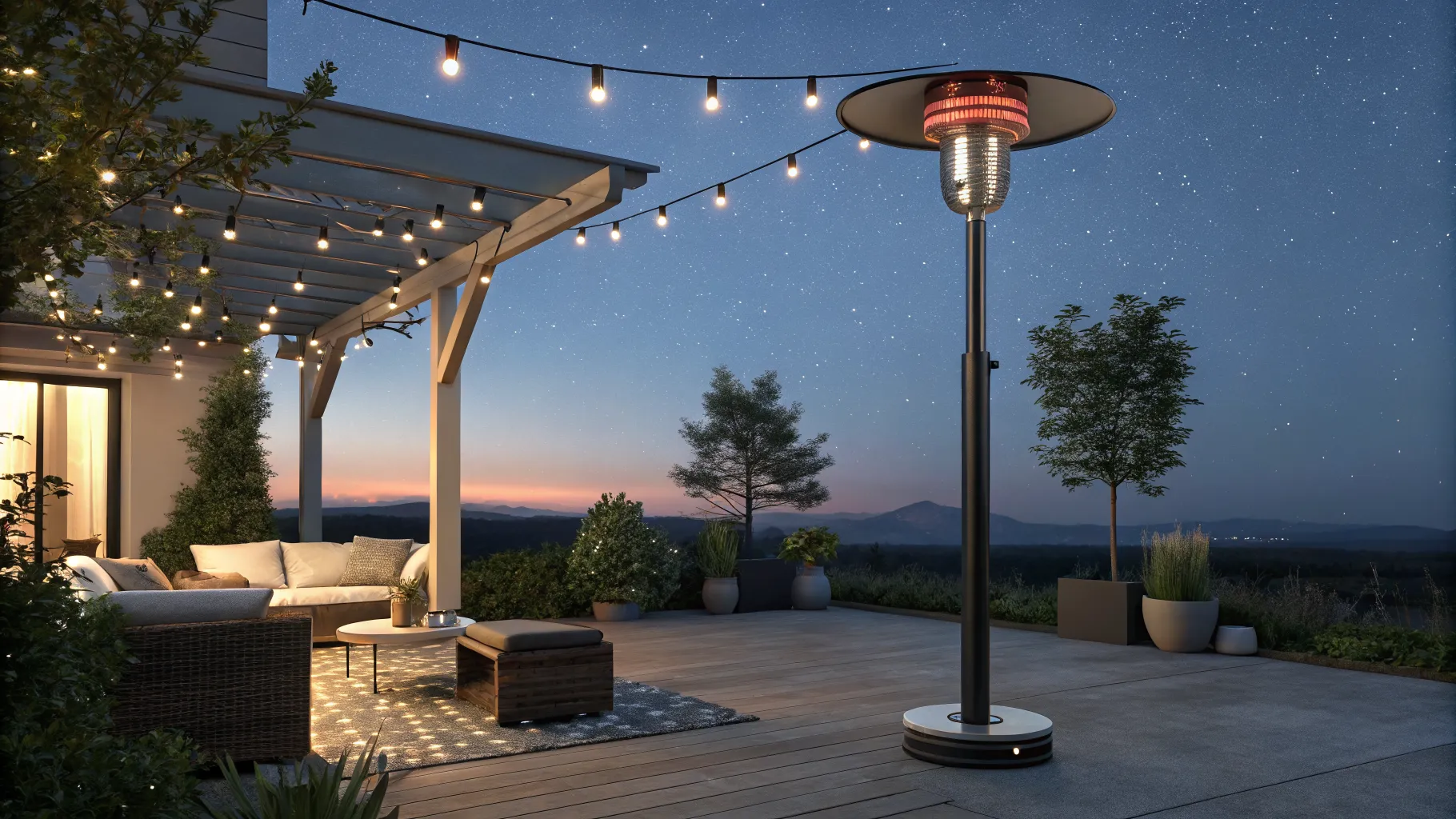
Understanding Patio Heater Types and Fuel Sources
When you set out to **pick a patio heater for year-round use**, one of the first critical decisions involves the type of heater and its fuel source. Each option presents distinct advantages and considerations for your specific outdoor environment. Electric patio heaters, often utilizing infrared technology, are highly efficient, producing radiant heat that warms objects and people directly rather than the air. They are ideal for covered patios or sunrooms, emit no emissions, and are relatively quiet, making them an excellent choice for a contained **year-round patio heater** setup where electricity is readily available. However, their heat output might be less robust for very large, open spaces. Propane heaters offer portability and significant heat output, making them versatile for various patio layouts. They require propane tank refills, which is a recurring cost and logistical consideration, but their immediate, powerful heat is often preferred for open areas. Natural gas patio heaters, on the other hand, provide a consistent, unlimited fuel supply if you have a natural gas line installed. While initial installation can be more complex and costly, they offer the lowest per-use operating costs and powerful, reliable heat, making them a superb, permanent **outdoor heating solution** for large, consistently used patios. Each fuel type significantly impacts the overall **patio heater efficiency** and long-term running expenses, so carefully evaluate your existing infrastructure and usage patterns.
Assessing Heating Capacity and Coverage Area
To effectively **pick a patio heater for year-round use**, you must accurately assess the heating capacity required for your outdoor space. Heating capacity is typically measured in British Thermal Units (BTUs) for gas heaters and watts for electric models. A higher BTU or wattage rating indicates more heat output. For optimal comfort, you need to match the heater's capacity to the size of your patio. As a general rule, a 40,000 BTU propane heater can comfortably warm an area of approximately 200-250 square feet. Electric heaters, while efficient, may cover smaller, more concentrated zones. Consider the height of your patio ceiling or outdoor structure, as this will influence heat distribution; wall-mounted or ceiling-mounted electric heaters can project heat downwards more effectively in taller spaces. Freestanding units distribute heat outwards, so their placement is crucial for maximum coverage. For a truly effective **all-weather patio heater**, ensure that the chosen unit can adequately raise the ambient temperature in your desired seating or gathering zones, preventing cold spots and ensuring consistent warmth even on chillier days. Over-specifying can lead to unnecessary energy consumption, while under-specifying will result in inadequate warmth.
Durability, Materials, and Weather Resistance
Given the goal to **pick a patio heater for year-round use**, the durability and weather resistance of the unit are paramount. Outdoor heaters are exposed to the elements, including rain, wind, and varying temperatures, so construction materials play a vital role in their longevity and performance. Stainless steel is a popular choice for its excellent corrosion resistance and robust nature, providing a sleek, modern aesthetic while standing up to harsh outdoor conditions. Powder-coated steel or aluminum frames also offer good protection against rust and wear, often available in a wider range of colors to match your outdoor decor. Look for heaters with an IP (Ingress Protection) rating, which indicates their resistance to dust and water. An IPX4 rating, for instance, means the heater is resistant to splashing water from any direction, making it suitable for most outdoor environments. For an **all-weather patio heater**, features like weighted bases for freestanding models or secure mounting hardware for wall/ceiling units are essential to prevent tipping in windy conditions. High-quality burners and heating elements made from durable alloys will also ensure consistent performance over many seasons. Investing in a heater constructed from premium, weather-resistant materials will protect your purchase and ensure dependable warmth for years to come.
Safety Features and Certifications for Peace of Mind
Safety should always be a top priority when you are **choosing a patio heater**. Modern patio heaters come equipped with several important safety features designed to prevent accidents and ensure secure operation. A crucial feature for propane and natural gas heaters is an automatic shut-off valve, which cuts off the fuel supply if the flame extinguishes or if the unit tips over. This tip-over protection is vital for freestanding models, especially in high-traffic areas or where pets and children might be present. For electric heaters, look for models with overheating protection, which automatically turns the unit off if it reaches an unsafe temperature. Flame safety guards, pilot lights, and secure tank enclosures (for propane models) also contribute significantly to safe operation. Furthermore, ensure that the **year-round patio heater** you select carries appropriate safety certifications from recognized bodies such as UL (Underwriters Laboratories), ETL (Electrical Testing Laboratories), or CSA (Canadian Standards Association). These certifications indicate that the product has been rigorously tested and meets specific safety standards. Always follow the manufacturer's installation and operational guidelines, maintaining proper clearances from combustible materials, and regularly inspecting your heater for any signs of wear or damage. Prioritizing these safety features provides peace of mind while enjoying your warm outdoor space.
Installation, Portability, and Aesthetic Integration
The practical aspects of installation and placement are key when you **pick a patio heater for year-round use**. Patio heaters come in various configurations, each offering different advantages in terms of mobility and aesthetic impact. Freestanding heaters are the most common and offer excellent portability, allowing you to move them to different areas of your patio as needed. They are ideal for flexible layouts but require a stable, flat surface and proper clearance from overhead structures. Tabletop heaters are smaller and designed to sit on outdoor tables, providing localized heat for intimate gatherings. Wall-mounted or ceiling-mounted electric heaters are more permanent fixtures, saving floor space and offering discreet, overhead heating. These require professional installation for electrical wiring but can be an excellent **outdoor heating solution** for fixed seating areas. Consider how the heater's design and finish will integrate with your existing outdoor decor. Many modern heaters feature sleek, minimalist designs in stainless steel, bronze, or black to complement various styles. The visual appeal and seamless integration of your chosen heater will contribute to the overall ambiance of your patio, ensuring it enhances, rather than detracts from, your outdoor aesthetic while providing efficient warmth for a truly **all-weather patio heater** experience.
Maximizing Efficiency and Longevity: Best Practices
To ensure your **year-round patio heater** delivers optimal performance and lasts for many seasons, adopting best practices for its use and maintenance is essential. These tips will help you maximize your **patio heater efficiency** and protect your investment:
- Strategic Placement: Position your heater in a sheltered area, away from strong winds, to prevent heat loss and ensure heat is directed effectively to your seating areas. For freestanding units, central placement or multiple units can create a warmer zone.
- Regular Cleaning: Keep burners, reflectors, and heating elements free of dust, debris, and insect nests. A clean unit operates more efficiently and reduces the risk of malfunction.
- Protective Covers: When not in use, especially during inclement weather or off-season storage, cover your patio heater with a weatherproof cover. This protects against moisture, dust, and UV damage, significantly extending its lifespan.
- Fuel Management: For propane heaters, keep an extra tank on hand to avoid interruptions. For natural gas, ensure lines are regularly inspected for leaks. For electric heaters, ensure your outdoor circuits can handle the wattage without overloading.
- Annual Inspections: Perform a thorough check-up before each season, inspecting gas lines, electrical cords, connections, and structural integrity. Address any issues promptly to ensure safe and efficient operation.
- Understand Energy Consumption: Be mindful of the energy consumption of your heater. While powerful, gas heaters can consume a fair amount of fuel. Electric heaters are efficient but still draw power. Use timers or smart controls to operate only when needed, optimizing energy use and cost.
Frequently Asked Questions
What is the most efficient type of **year-round patio heater**?
Infrared electric patio heaters are generally considered the most efficient as they directly heat objects and people, minimizing heat loss to the surrounding air. Natural gas heaters offer excellent efficiency for continuous use due to their lower operating costs and consistent fuel supply.
How do I determine the right size of **patio heater** for my space?
Measure your patio's square footage and consider its openness. For gas heaters, aim for at least 40,000 BTUs for a 200-250 sq ft area. For electric, consider the wattage and the targeted heating zone. It's often better to have multiple smaller units for even coverage than one large unit for vast spaces.
Can an electric **patio heater** truly be used in all weather?
Many electric patio heaters are designed with high IP ratings (e.g., IPX4 or higher) making them resistant to splashing water, suitable for outdoor use in most weather. However, for continuous heavy rain or snow, it's best to use them under a covered area or with proper protection to extend their life.
What are essential safety features to look for when **choosing a patio heater**?
Essential safety features include tip-over protection with automatic shut-off, flame failure cut-off for gas heaters, and overheating protection for electric models. Always look for heaters with recognized safety certifications like UL, ETL, or CSA to ensure they meet stringent safety standards.
References
- Outdoor heating technology advancements and consumer trends.
- Comparative analysis of fuel types for patio heaters.
- Best practices for outdoor appliance maintenance.
- Safety standards for gas and electric outdoor heating devices.
- Impact of material durability on outdoor product longevity.
Authored by MyTrendSpot team