How to Select a Fire Pit for a Concrete Patio: Essential Safety & Style Guide
Facts:
- Outdoor living spaces are trending.
- Increased demand for backyard entertainment for homeowners.
Navigating Choices for Your Ideal Concrete Patio Fire Pit
Choosing the right concrete patio fire pit is a significant decision that enhances your outdoor living experience, offering warmth, ambiance, and a natural gathering spot. However, this selection requires careful consideration, especially when integrating a heat source with a concrete surface. Ensuring both aesthetic appeal and paramount safety is crucial to protect your investment and create a truly enjoyable environment. This guide will walk you through the essential factors, from material considerations to crucial safety measures, to help you make an informed choice for your outdoor sanctuary.
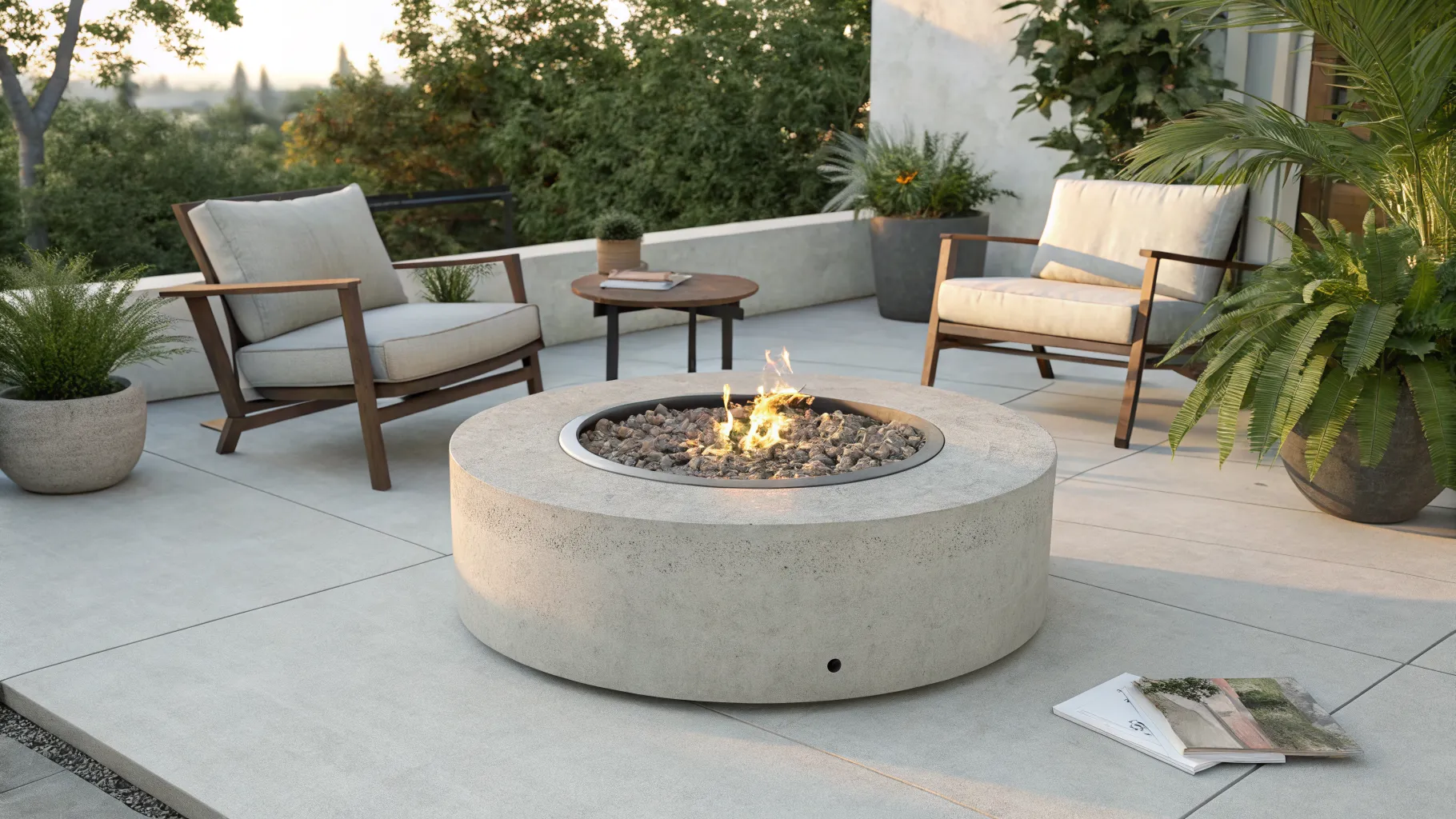
Understanding Patio Fire Pit Materials and Fuels
When selecting a concrete patio fire pit, the choice of materials and fuel types directly impacts durability, maintenance, and overall aesthetic. Common materials include steel, copper, cast iron, stone, and concrete itself. Steel fire pits are often lighter and more portable, though quality varies; look for heavy-gauge steel or stainless steel for longevity. Copper develops a beautiful patina over time but can be more expensive. Cast iron is robust and retains heat well but is heavy and susceptible to rust without proper care. Stone and pre-cast concrete options offer a more permanent, built-in feel and integrate seamlessly into rustic or modern designs, respectively. Each material brings unique characteristics to your outdoor space, influencing both its visual appeal and its functional lifespan.
Equally important is the fuel source. Wood-burning fire pits provide the classic crackle and aroma, but they generate ash, smoke, and embers, requiring more vigilance for **fire pit safety on concrete**. Gas fire pits, typically fueled by propane or natural gas, offer convenience with instant on/off functionality and clean burning. A **propane fire pit for patio** setups is highly popular due to its portability and ease of installation, as it doesn't require a permanent gas line. Natural gas fire pits, while requiring professional installation for a dedicated line, offer an endless fuel supply. Bioethanol options are also available for smaller, more contained flames, often preferred for their smoke-free burn in more enclosed patio settings.
Essential Fire Pit Safety on Concrete
Prioritizing fire pit safety on concrete is non-negotiable to prevent damage to your patio and ensure a secure environment for everyone. Concrete, while durable, is susceptible to thermal shock and cracking when exposed to direct, intense heat over prolonged periods. Therefore, adequate protection is paramount. A high-quality **heat shield for fire pit** is an absolute necessity. These shields, often made of heat-resistant materials like metal or composite fireproof mats, create an insulating barrier between the fire pit's base and the concrete surface. This barrier dissipates heat, preventing it from concentrating directly on the patio, thus significantly reducing the risk of cracks, discoloration, or spalling. Ensure the heat shield extends beyond the fire pit's footprint to catch any errant embers.
Beyond base protection, consider the overall placement and surrounding environment. Always position your concrete patio fire pit a safe distance from combustible structures, low-hanging branches, and outdoor furniture. Check local fire codes for minimum clearance requirements. For wood-burning units, spark arrestors are crucial to contain flying embers. Always have a water source or fire extinguisher readily available. Supervise children and pets, and never leave a fire unattended. Wind conditions also play a role; on windy days, consider postponing use or relocating to a more sheltered spot. Understanding and implementing these safety measures ensures your fire pit remains a source of enjoyment, not a hazard, safeguarding your property and loved ones.
Size, Style, and Placement for Your Concrete Patio Fire Pit
Determining the appropriate size and style of your concrete patio fire pit is crucial for both functionality and aesthetic harmony. Begin by measuring your patio dimensions. A general rule of thumb is to allow at least 7 feet of clearance from the fire pit to any surrounding structures, and enough space for comfortable seating, usually 3-4 feet around the perimeter of the fire pit. A fire pit that is too large can overwhelm a small patio, making it feel cramped, while one that is too small might look disproportionate in a vast space. Consider the number of people you typically entertain; a larger fire pit can accommodate more guests around its warmth.
Style integration is key to creating a cohesive outdoor living area. Modern patios might benefit from sleek, minimalist designs in stainless steel, concrete, or polished stone, perhaps a rectangular or linear gas fire pit. A more traditional or rustic setting might call for a round, wood-burning fire pit made of natural stone or copper. Think about your existing outdoor furniture, landscaping, and the overall architectural style of your home. The fire pit should complement, rather than clash with, these elements. Optimal placement considers not only safety clearances but also prevailing wind directions to minimize smoke exposure, and ensures easy access for fuel and cleaning, all while maximizing the social flow of your outdoor space around your chosen **concrete patio fire pit**.
Installation and Maintenance for Longevity
Proper installation and consistent maintenance are vital for maximizing the lifespan of your concrete patio fire pit and protecting your patio surface. For gas-fueled units, especially those connected to a natural gas line, professional installation is often recommended to ensure correct hook-up and leak-free operation, adhering to all local building codes. Propane units are generally simpler to set up, but always double-check connections and hoses for integrity. For all types, verify that any required **heat shield for fire pit** or protective mat is correctly placed and offers sufficient coverage.
Maintenance routines will vary based on the fire pit's material and fuel type. Wood-burning fire pits require regular ash removal and cleaning of the fire bowl to prevent corrosion and maintain airflow. For gas fire pits, periodic checks of burners, igniters, and gas lines are important. Keep burner ports clear of debris. Regardless of the type, cover your fire pit when not in use to protect it from the elements, especially rain, snow, and falling leaves. High-quality covers prolong the life of the unit and keep it clean. For metal fire pits, occasional cleaning and treatment for rust prevention are beneficial. Following these simple steps ensures your **concrete patio fire pit** remains a beautiful and functional centerpiece for years to come.
Actionable Advice: Making Your Final Selection
- Assess Your Patio Size and Layout: Measure carefully to ensure the fire pit fits comfortably, leaving ample space for seating and safe passage around it.
- Consider Fuel Type Preferences: Decide between wood, propane, or natural gas based on convenience, cost, and desired ambiance. A propane fire pit for patio offers ease of use.
- Prioritize Safety Features: Look for built-in spark screens, sturdy construction, and always plan for a heat shield for fire pit if needed.
- Match Aesthetics: Choose a design and material that complements your outdoor decor and personal style.
- Budget Accordingly: Factor in not just the fire pit's cost, but also fuel, accessories, and potential installation fees.
Frequently Asked Questions
Can I place any fire pit directly on a concrete patio?
No, it is generally not recommended to place just any fire pit directly on a concrete patio without proper precautions. Concrete can crack or spall due to direct, intense heat. Always use a high-quality **heat shield for fire pit** or a fireproof mat to protect the surface and ensure **fire pit safety on concrete**.
What is the best type of fire pit for a concrete patio?
The "best" type depends on your preferences. Gas fire pits (propane or natural gas) are popular for **concrete patio fire pit** setups due to their cleanliness, ease of use, and minimal ash. Wood-burning fire pits offer a traditional ambiance but require more ash cleanup and careful consideration for spark protection and a robust **heat shield for fire pit**.
How can I prevent my concrete patio from cracking under a fire pit?
To prevent cracking, always use a thermal barrier. This could be a dedicated **heat shield for fire pit**, a fireproof mat, or even raising the fire pit on sturdy, non-combustible blocks. Ensure the fire pit has legs that elevate it sufficiently from the surface to allow for air circulation and prevent direct heat transfer, enhancing overall **fire pit safety on concrete**.
References
- National Fire Protection Association Guidelines for Outdoor Burning
- Residential Landscape Design and Construction Manuals
- Consumer Reports on Outdoor Heating Appliances
- Architectural Digest Features on Outdoor Living Spaces
Authored by MyTrendSpot team