How to Select a Water Feature for a Small Garden: Expert Guide to Compact Water Features
Facts:
- Water features can attract diverse wildlife, boosting garden biodiversity.
- Studies show demand for compact water features has surged by 20% in the last five years among urban homeowners.
Unlocking Tranquility: How to Select the Perfect Water Feature for Your Small Garden
Transforming a limited outdoor area into a serene retreat requires careful consideration, especially when exploring small garden water features. The gentle trickle of water can create an oasis of calm, masking city noise and inviting nature into even the most constrained spaces. Discovering the ideal compact water features can significantly enhance the ambiance of your outdoor living space, offering soothing sounds and profound visual appeal without overwhelming the area's inherent charm. This comprehensive guide will walk you through essential factors to consider when designing your perfect sanctuary, ensuring your chosen water element integrates seamlessly with your existing small space landscaping and personal style, ultimately creating a harmonious and tranquil environment that you can enjoy for years to come.
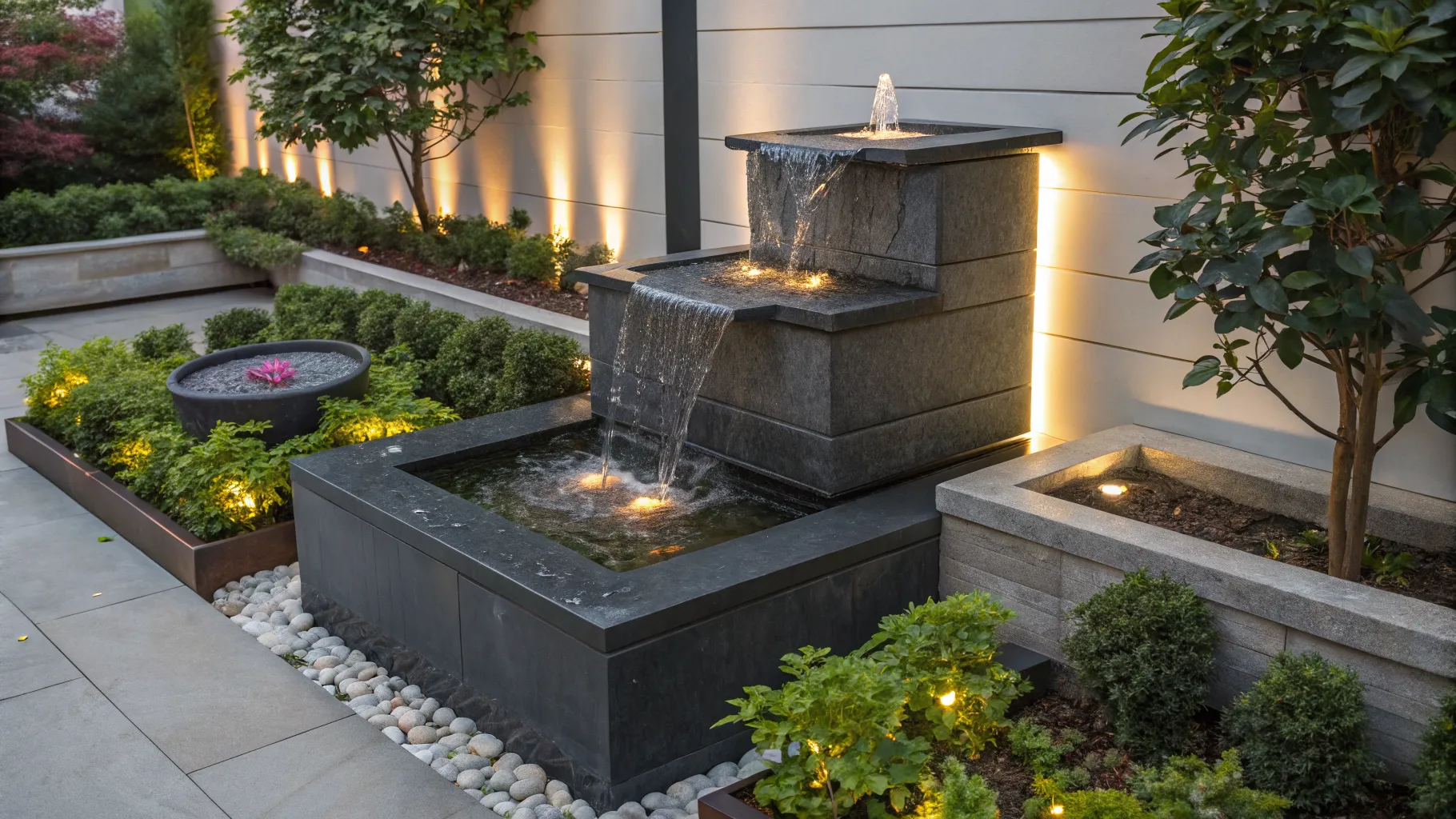
Assessing Your Small Garden's Unique Character and Limitations
Before diving into the myriad of garden fountain ideas, it is crucial to thoroughly assess the unique characteristics and limitations of your particular small garden water features area. Begin by accurately measuring the available footprint where you envision your water feature; this will dictate the maximum size and shape you can accommodate. Consider the amount of direct sunlight the area receives throughout the day, as this impacts water temperature, algae growth, and the types of plants you might incorporate. Furthermore, evaluate existing garden elements such as pathways, seating areas, and mature planting beds, as these will influence placement and access. Understanding the topography of your garden, including any slopes or uneven ground, is also vital for ensuring proper water flow and stable installation. A careful preliminary assessment prevents costly mistakes and ensures your chosen feature complements rather than competes with your garden's existing charm. Pay close attention to the structural integrity of any adjacent walls or surfaces if you are considering a wall-mounted unit, as the weight of water can be substantial.
Exploring Types of Compact Water Features Ideal for Small Spaces
The market is rich with compact water features designed specifically to thrive in limited environments, offering diverse aesthetic and functional benefits. Your selection will largely depend on the specific space constraints and the desired visual and auditory impact. Understanding the various types available is the first step in making an informed decision for your small garden water features.
Wall-Mounted Fountains
Wall-mounted fountains are an excellent choice for maximizing floor space in a narrow or very small garden water features. These elegant fixtures attach directly to a vertical surface, such as a garden wall or fence, creating a focal point without encroaching on precious ground area. They come in various styles, from classical lion's heads to modern minimalist designs, and are typically self-contained, meaning the water recirculates from a hidden reservoir. This type of feature is particularly effective for adding a touch of sophistication and the soothing sound of flowing water to a patio or courtyard setting, making them a popular choice for enhancing small space landscaping.
Self-Contained Ponds and Pondless Waterfalls
For those who desire the natural beauty of a pond but lack the space for a full-sized ecosystem, self-contained ponds offer a brilliant compromise. These pre-formed units are often made from durable fiberglass or plastic and can be sunken into the ground or placed as an elevated feature. Pondless waterfalls, a highly sought-after element in contemporary water feature design, create the visual and auditory appeal of a cascading stream without a visible open pool of water. Instead, the water disappears into an underground reservoir filled with rocks, making them extremely safe for children and pets, and requiring less maintenance than traditional ponds. They are incredibly versatile and can be designed to mimic natural streams, adding dynamic movement to your small garden water features.
Bird Baths and Tiered Fountains
While often overlooked, an artfully chosen bird bath can serve as a simple yet effective water feature, attracting local birds and providing gentle visual interest. For a more pronounced effect, tiered fountains, even in smaller dimensions, can create a captivating display. Water cascades from one level to the next, producing a rhythmic sound and dynamic visual effect. Modern interpretations of these garden fountain ideas are scaled down to suit small space landscaping perfectly, often featuring minimalist designs in various materials like ceramic, stone, or metal. They offer a classic elegance that can complement both traditional and contemporary garden styles, becoming an instant focal point for your small garden water features.
Bubblers and Spheres
Bubblers and spheres represent some of the most subtle and contemporary compact water features. A bubbler typically involves water gently bubbling up from a hidden source, often a natural stone or a decorative sphere, before gracefully overflowing and disappearing into an underground basin. These features are incredibly low-profile and integrate seamlessly into paving or planting beds, making them ideal for minimalist water feature design. Spheres, whether made of polished granite, stainless steel, or ceramic, can act as modern sculptural elements, with water gently tracing their surface. Both options are perfect for creating a meditative atmosphere without overwhelming the visual space, making them superb additions to any small garden water features layout.
Material Choices and Durability for Long-Term Enjoyment
The material of your chosen small garden water features plays a critical role not only in its aesthetic appeal but also in its durability, maintenance requirements, and overall longevity. Opting for the right material is a fundamental aspect of effective water feature design. Natural stone, such as granite, slate, or basalt, offers unparalleled timeless beauty and robustness. Stone features are incredibly heavy, providing stability, and they weather beautifully over time, developing a unique patina that enhances their natural charm. However, they can be more expensive and might require professional installation due to their weight. Ceramic and terracotta options bring a rustic or artisanal feel, perfect for adding warmth and color to your small garden water features. While charming, they can be fragile in freezing temperatures and may require winter storage or protection in colder climates. Metal features, particularly those made from copper, stainless steel, or corten steel, introduce a modern, sculptural element. Copper develops a stunning verdigris patina, while corten steel rusts to a rich, earthy orange, both offering dynamic visual interest. Stainless steel provides a sleek, contemporary look that is resistant to corrosion. Finally, composite materials, like fiberglass or resin, offer a lightweight, affordable, and highly versatile alternative. They can mimic the look of natural stone or metal at a fraction of the cost and weight, making them easier to install and move, an important consideration for small space landscaping. Consider the local climate, the frequency of maintenance you're willing to commit, and the overarching style of your garden when making this crucial material selection to ensure your compact water features endure and delight for many years.
Essential Considerations for Installation and Maintenance
Selecting the perfect small garden water features is only half the journey; understanding the practicalities of installation and ongoing maintenance is equally vital for long-term satisfaction. Proper installation begins with ensuring a stable, level base for your feature, which is paramount for both safety and optimal water circulation. Access to a power source is almost always necessary for the pump, so consider the proximity of outdoor outlets or the feasibility of running electrical lines. For some larger compact water features, a dedicated water line might simplify refilling, though most small features can be easily topped up manually. It is crucial to read the manufacturer's instructions carefully for specific installation guidelines, particularly for wall-mounted units that require secure anchoring. Maintenance typically involves regular cleaning to prevent algae buildup, which can be managed with algaecides or by ensuring adequate sunlight and aeration. Periodically, you will need to drain and clean the reservoir, especially before winterizing in colder climates to prevent freezing damage to pumps and materials. Keeping the water level consistent is key, as low water can damage pumps. Additionally, pruning surrounding foliage to prevent leaves and debris from falling into the water will significantly reduce cleaning efforts, ensuring your garden fountain ideas remain pristine and functional within your small space landscaping.
Integrating Your Water Feature with Existing Small Garden Landscaping
The true artistry of small garden water features lies in their seamless integration with your existing small space landscaping, creating a cohesive and harmonious outdoor environment. Position your chosen feature where it can be both seen and heard, perhaps near a patio or a favorite seating area, allowing its soothing sounds to enhance relaxation. Consider the scale of the water feature in relation to surrounding plants and structures; it should be a focal point without overwhelming the space. Using plants that thrive in damp conditions around the base of the feature can help soften its edges and integrate it naturally into the garden. Think about textures and colors; a rustic stone fountain might pair beautifully with lush, green ferns, while a modern stainless steel sphere could be complemented by architectural succulents. Lighting is another powerful tool for integration; strategically placed spotlights can highlight the water's movement and create dramatic effects in the evening, extending the enjoyment of your water feature design into the night. Ultimately, the goal is to create a sense of balance and flow, where the water feature feels like an intrinsic part of your garden's ecosystem, rather than an afterthought, enhancing its overall appeal and tranquility. Thoughtful placement and complementary plantings will elevate any of your chosen garden fountain ideas.
When considering small garden water features, a common dilemma arises between opting for the classic charm of a tiered fountain versus the modern simplicity of a bubbler or sphere. Tiered fountains, available in various materials from ceramic to stone, offer a traditional aesthetic, with water cascading gracefully from one basin to another, producing a distinct, rhythmic trickling sound. They tend to be more visually prominent and can become a dramatic focal point, making them ideal for gardens aiming for a classic or romantic ambiance. However, their multiple basins can sometimes be more prone to collecting debris, requiring slightly more frequent cleaning. In contrast, bubblers and spheres epitomize contemporary water feature design. Water gently rises from a single point, often a natural rock or an elegant sphere, before subtly disappearing into an underground reservoir. This minimalist approach creates a calming, almost meditative sound – a soft gurgle rather than a cascade. These compact water features are excellent for achieving a sleek, understated look and are particularly well-suited for modern small space landscaping or minimalist designs. Their largely enclosed nature means less susceptibility to debris, often resulting in lower maintenance. The choice ultimately hinges on your desired aesthetic, the specific sound you wish to introduce, and the level of visual impact you want your water feature to command within your garden.
Achieving Harmony: Practical Advice for Selecting Your Water Feature
- Size and Scale: Always prioritize scale when selecting small garden water features. A feature too large will overwhelm the space, while one too small might get lost. Measure your space carefully and consider how the feature will look from various vantage points in your garden. Think about the height, width, and depth in proportion to your surrounding elements.
- Sound Profile: Consider the sound you desire. A gentle bubbling effect from a sphere or bubbler creates a soft, meditative ambiance, perfect for quiet reflection. Cascading water from a tiered fountain or a small waterfall offers a more pronounced, dynamic sound that can effectively mask unwanted urban noise. Experiment with different types of water flow to find what resonates most with you.
- Maintenance Commitment: Be realistic about the time and effort you are willing to dedicate to maintenance. Self-contained compact water features with hidden reservoirs generally require less cleaning and refilling than open-basin fountains. Choose materials that are durable and easy to clean, especially if you live in an area with hard water or abundant falling leaves.
- Aesthetic Cohesion: Ensure your new garden fountain ideas complement the existing style of your garden and home. A rustic stone feature might clash with a modern minimalist design, just as a sleek stainless steel feature might look out of place in a cottage garden. Strive for a cohesive look that enhances the overall appeal of your small space landscaping.
- Energy Efficiency: Invest in a high-quality, energy-efficient pump. Many modern pumps are designed to consume minimal electricity while still providing robust water flow, which is not only environmentally friendly but also cost-effective in the long run. Solar-powered pumps are also an excellent option for sustainable water feature design if your garden receives sufficient sunlight.
Frequently Asked Questions
Is it expensive to install a small garden water feature?
The cost of installing a small garden water feature can vary significantly depending on its size, material, complexity, and whether you hire professionals or do it yourself. Basic self-contained units can be quite affordable, often ranging from a few hundred dollars. More elaborate custom designs or features made from premium materials like natural stone will naturally incur higher costs. Factor in not just the purchase price but also potential installation fees, electrical work, and ongoing operational costs like electricity for the pump and water. However, many compact water features are designed to be budget-friendly and relatively easy for a DIY enthusiast to install, offering great value for money in enhancing your outdoor space.
What maintenance do compact water features require?
Maintenance for compact water features is generally straightforward but necessary to keep them looking and functioning their best. Regular tasks include topping up the water level to prevent pump damage, removing debris like leaves and petals, and periodically cleaning the basin and pump to prevent algae buildup. Algaecides specifically designed for water features can help manage algae. In colder climates, winterization is crucial, which involves draining the feature, cleaning it thoroughly, and storing the pump indoors to protect it from freezing temperatures. Some materials, like ceramic, may also need to be brought indoors or protected from frost. Consistent, albeit minimal, attention ensures your water feature design remains a beautiful and soothing element in your small space landscaping throughout the year.
References
- The Royal Horticultural Society. "Water in the Garden."
- Garden Design Magazine. "Small Space Water Features: Maximizing Impact."
- Pond & Garden Depot. "Selecting the Right Pump for Your Water Feature."
Authored by MyTrendSpot team