Key Warning Symptoms of Heart Attacks Explained: Understanding Early Detection
Facts:
- Heart attacks are a leading cause of death worldwide.
- Early recognition and response to cardiac arrest warning signs for adults significantly improve outcomes.
Recognizing the Critical Early Warning Signs of a Heart Attack
Understanding the **key warning symptoms of heart attacks explained** is crucial for prompt action and potentially saving lives. A **myocardial infarction**, commonly known as a heart attack, occurs when blood flow to a part of the heart is blocked, most often by a blood clot. This interruption can damage or destroy a section of the heart muscle. Recognizing these **heart attack symptoms** early can mean the difference between life and death, enabling immediate medical intervention that can limit heart damage and improve recovery prospects. It is vital for everyone, regardless of age or apparent health, to be aware of these critical indicators.
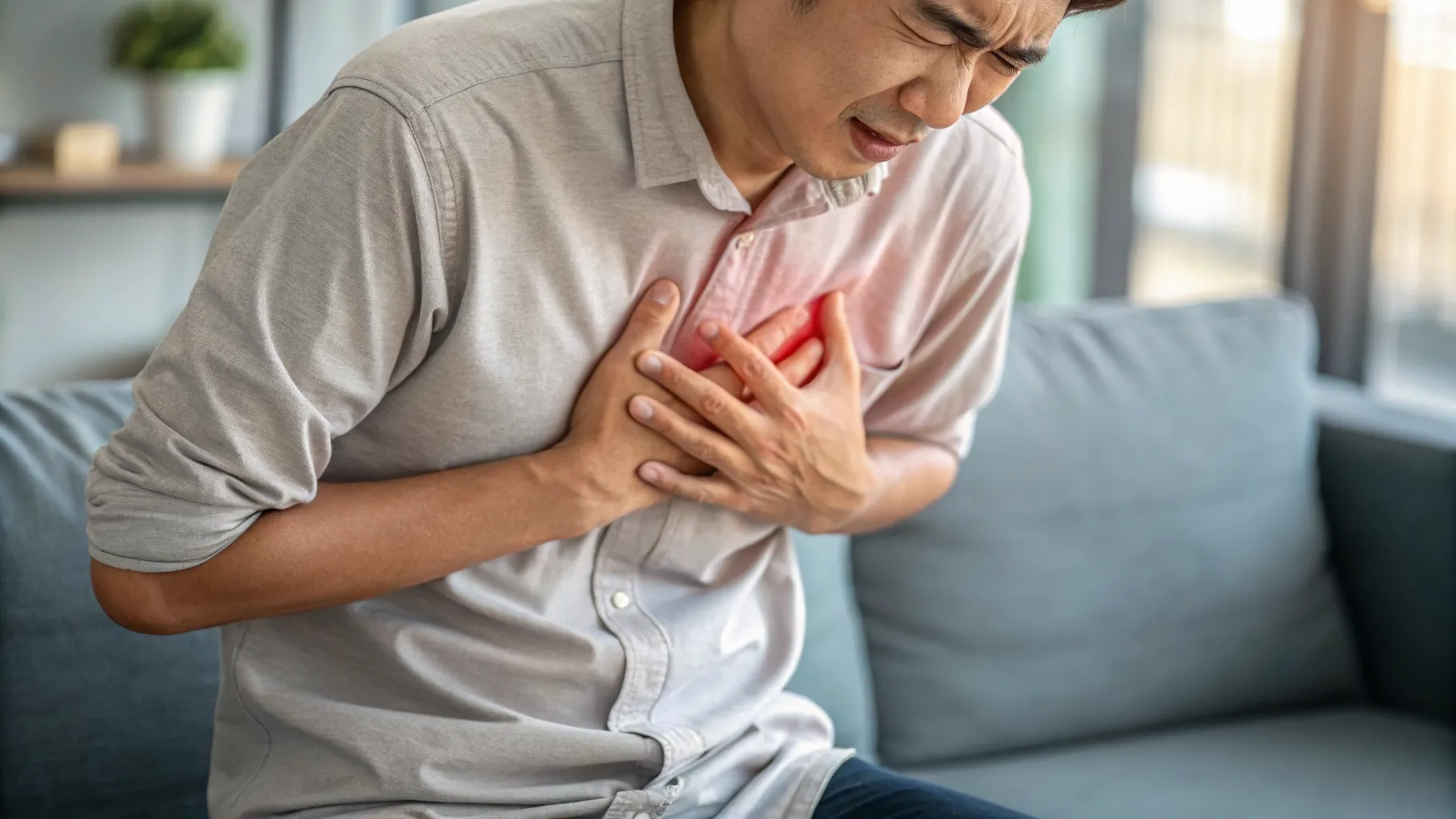
Understanding the Core Manifestations of Myocardial Infarction
While the classic presentation of a heart attack often involves sudden, crushing **chest pain**, the reality is that **heart attack symptoms** can manifest in various ways, sometimes subtly. It's important to be vigilant for a range of indicators, as not everyone experiences the same set of signs. Promptly identifying these diverse symptoms is key to achieving **early detection heart attack** and initiating timely medical care.
Chest Pain or Discomfort
The most common symptom, **chest pain**, is often described as pressure, squeezing, fullness, or a dull ache in the center of the chest. This discomfort may last for more than a few minutes, or it may go away and come back. It can range from mild to severe and is a critical **cardiac arrest warning sign**. This pain can sometimes be mistaken for indigestion, heartburn, or anxiety, making accurate self-assessment difficult. The intensity can vary greatly, and it's essential not to dismiss even mild, persistent discomfort in the chest area.
Pain Radiating to Other Areas
Pain from a heart attack can spread beyond the chest to other parts of the upper body. This includes discomfort in one or both arms (most commonly the left), the back, neck, jaw, or stomach. This radiating pain is a significant indicator that the discomfort is cardiac-related and not merely muscular or superficial. For instance, jaw pain, especially when combined with other symptoms, should be taken seriously as a potential **heart attack symptom**.
Shortness of Breath
Difficulty breathing, often accompanied by or preceding **chest pain**, is another common **heart attack symptom**. This can feel like you can't get enough air, or you may find yourself gasping for breath even when at rest. This symptom indicates that the heart may not be pumping blood efficiently, leading to reduced oxygen supply throughout the body. Experiencing sudden and unexplained shortness of breath should always prompt medical evaluation for **myocardial infarction**.
Nausea, Vomiting, or Lightheadedness
Some individuals experiencing a heart attack may feel lightheaded, dizzy, nauseous, or even vomit. These symptoms are more common in women and can sometimes lead to misdiagnosis as digestive issues or vertigo. However, when these occur in conjunction with other **heart attack symptoms**, they should raise immediate concern for a potential **myocardial infarction**, especially if they are sudden and unexplained.
Cold Sweat and Fatigue
Breaking out in a cold sweat for no apparent reason, or experiencing unusual and overwhelming fatigue, especially in women, can also be **cardiac arrest warning signs**. This fatigue is often described as feeling drained or unable to perform simple daily tasks without extreme effort. These often-overlooked symptoms can signal significant stress on the heart and warrant urgent medical attention to ensure **early detection heart attack**.
Beyond Classic Chest Pain: Subtle Cardiac Arrest Warning Signs
It's a misconception that all heart attacks present with dramatic, crushing **chest pain**. Many individuals, particularly women, older adults, and those with diabetes, may experience more subtle or atypical **heart attack symptoms**. These can include a general feeling of malaise, extreme fatigue, discomfort in the upper back, or pressure in the lower chest or upper abdomen. Such variations make **early detection heart attack** even more challenging but no less critical. Being attuned to these less obvious **cardiac arrest warning signs** is vital for a comprehensive understanding of heart health.
Immediate Action: When to Seek Emergency Medical Attention for Heart Attack Symptoms
When any of the **key warning symptoms of heart attacks explained** are suspected, immediate action is paramount. Do not delay seeking medical help. Time is muscle; the quicker blood flow is restored to the heart, the less damage occurs. Recognizing **cardiac arrest warning signs** and responding swiftly can profoundly impact survival and recovery.
- Call Emergency Services Immediately: If you or someone you're with experiences **heart attack symptoms**, call 911 (or your local emergency number) right away. Do not attempt to drive yourself to the hospital. Emergency personnel can provide life-saving treatment on the way.
- Chew Aspirin (If Advised): If you're not allergic to aspirin and have been advised by a medical professional to take it, chewing a regular-strength aspirin (325 mg) can help thin the blood and improve blood flow, but only do so if emergency services instruct you.
- Stay Calm and Rest: Loosen any tight clothing and try to remain as calm as possible while waiting for help to arrive. Avoid any strenuous activity that could put additional strain on your heart.
- Inform Emergency Responders: Clearly describe your **heart attack symptoms** and when they started to the emergency medical team. This information is crucial for rapid diagnosis and treatment for potential **myocardial infarction**.
Differentiating Heart Attack Symptoms from Other Conditions
Distinguishing **heart attack symptoms** from other conditions, such as acid reflux, anxiety attacks, or muscle strain, can be challenging but is crucial for appropriate action. While **chest pain** can be a symptom of many things, certain characteristics point more strongly to a heart attack. For example, **myocardial infarction** pain often does not change with position or movement, unlike muscle pain. Pain from acid reflux typically improves with antacids and is often accompanied by a burning sensation. Anxiety attacks can mimic heart attack symptoms with rapid heart rate and shortness of breath, but usually subside with calming techniques. If there's any doubt, err on the side of caution and seek immediate medical evaluation for **early detection heart attack**.
Preventative Measures and Risk Factor Management for Cardiovascular Health
While understanding **heart attack symptoms** is vital for emergencies, prevention remains the best strategy. Managing risk factors significantly reduces the likelihood of experiencing a **myocardial infarction**. Lifestyle choices play a pivotal role in maintaining a healthy heart and mitigating **cardiac arrest warning signs**.
- Maintain a Healthy Diet: Adopt a diet rich in fruits, vegetables, whole grains, and lean proteins. Limit saturated and trans fats, cholesterol, sodium, and added sugars to support cardiovascular health.
- Regular Physical Activity: Aim for at least 150 minutes of moderate-intensity aerobic activity or 75 minutes of vigorous-intensity activity per week. Exercise strengthens the heart muscle and improves blood circulation.
- Manage Blood Pressure and Cholesterol: Regularly monitor and manage high blood pressure and high cholesterol levels, often through medication and lifestyle changes, to prevent arterial damage that can lead to **myocardial infarction**.
- Control Diabetes: If you have diabetes, strict management of blood sugar levels is essential, as diabetes significantly increases the risk of heart disease.
- Quit Smoking: Smoking is a major risk factor for heart attacks. Quitting smoking is one of the most impactful steps you can take to reduce your risk of **heart attack symptoms** and improve overall health.
- Manage Stress: Chronic stress can contribute to heart disease. Practice stress-reduction techniques such as meditation, yoga, or spending time in nature.
- Regular Medical Check-ups: Schedule routine appointments with your doctor to monitor your heart health, discuss any concerns, and detect potential issues early, contributing to **early detection heart attack** strategies.
Frequently Asked Questions
Are heart attack symptoms different for men and women?
Yes, while both men and women commonly experience **chest pain** during a heart attack, women are more likely to experience atypical **heart attack symptoms** such as shortness of breath, nausea/vomiting, and back or jaw pain without the classic crushing chest discomfort. This can sometimes lead to delays in seeking treatment for **myocardial infarction**.
Can stress cause heart attack symptoms?
Severe emotional or physical stress can trigger a type of heart condition known as stress-induced cardiomyopathy, or "broken heart syndrome," which can mimic **heart attack symptoms**. While it's usually temporary, it's crucial to seek immediate medical attention if you experience these signs to rule out an actual **myocardial infarction**.
What is the difference between a heart attack and cardiac arrest?
A heart attack (myocardial infarction) is a "circulation" problem where blood flow to the heart is blocked, causing heart muscle damage. Cardiac arrest is an "electrical" problem where the heart suddenly stops beating effectively, often due to an electrical malfunction, leading to a sudden loss of consciousness. A heart attack can sometimes lead to cardiac arrest, making prompt response to **cardiac arrest warning signs** critical for both conditions.
References
- American Heart Association. (n.d.). Warning Signs of a Heart Attack.
- Mayo Clinic. (n.d.). Heart Attack.
- Centers for Disease Control and Prevention. (n.d.). Heart Disease.
Authored by MyTrendSpot team