Navigating the Knee Replacement Surgery Cost: A State-by-State Knee Surgery Prices Guide
Fast Facts:
- Total knee replacement surgery cost can vary by tens of thousands.
- Cost trends show increasing transparency for healthcare costs for joint replacement.
Understanding State-by-State Knee Surgery Prices and Their Drivers
Embarking on the journey of a knee replacement can be daunting, not least because of the significant financial considerations involved. The variation in knee replacement surgery cost from one state to another is substantial, creating a complex landscape for patients seeking this vital orthopedic procedure. Understanding the factors that contribute to the total knee arthroplasty expense across different regions is crucial for informed decision-making and financial planning. This comprehensive guide delves into the nuances of state-by-state knee surgery prices, offering insights into why these disparities exist and how patients can navigate the system.
Key Factors Influencing Knee Replacement Surgery Cost
Several variables contribute to the broad spectrum of knee replacement surgery cost observed across the United States. These include regional economic conditions, the competitive landscape among hospitals, variations in insurance negotiation power, and the specific services bundled into the overall total knee arthroplasty expense. States with higher living costs often reflect higher healthcare service charges, impacting the final bill. Additionally, the presence of major medical centers or specialized orthopedic hospitals in a state can influence pricing due to their reputation, advanced technology, and demand. Patients must consider all these elements when researching healthcare costs for joint replacement in their chosen area.
Regional Disparities in State-by-State Knee Surgery Prices
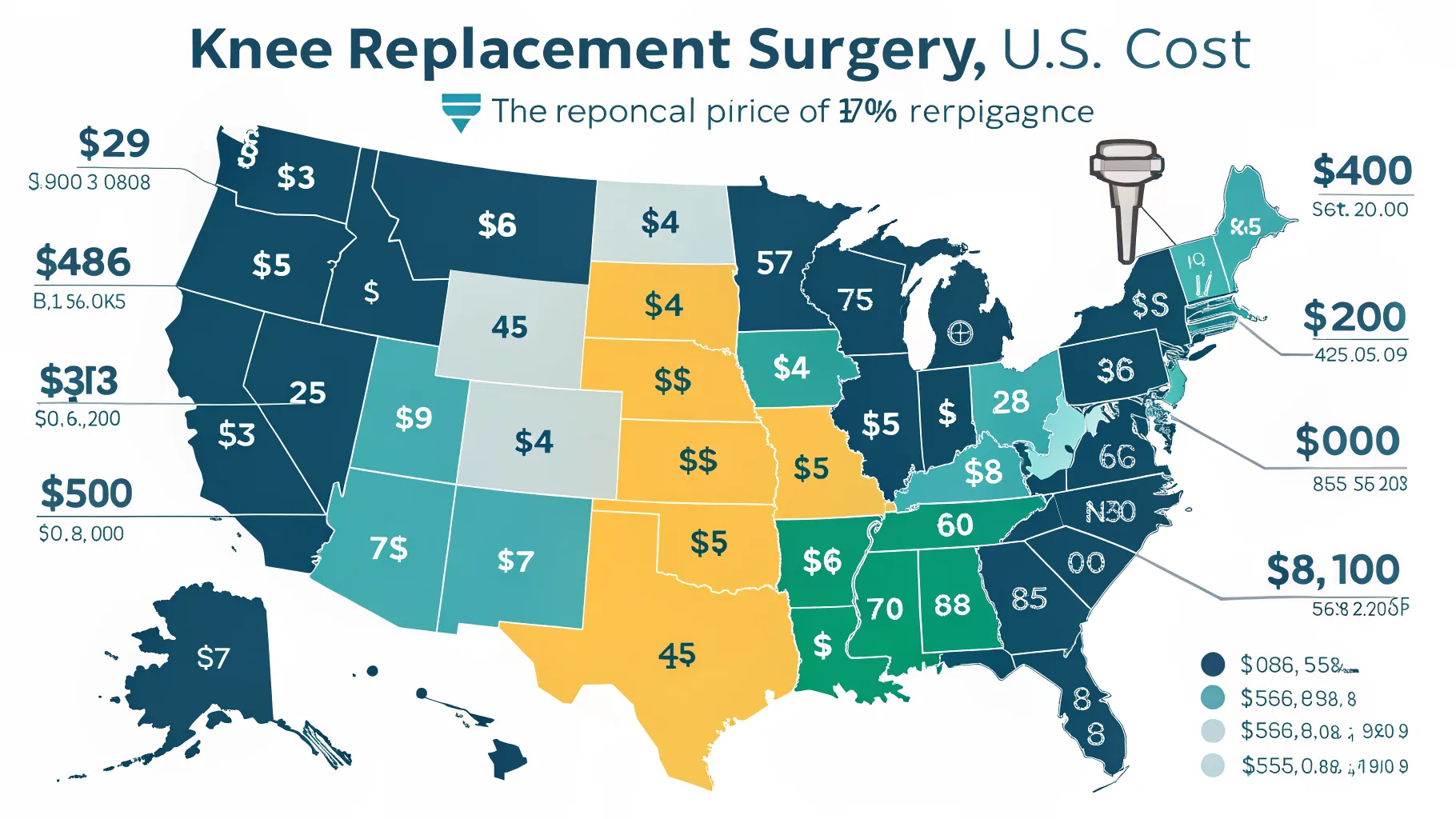
Analyzing state-by-state knee surgery prices reveals distinct patterns. For instance, states in the Northeast and West Coast often exhibit higher average costs compared to the Midwest or South. This disparity isn't solely tied to surgical fees but encompasses the entire care continuum, including pre-operative assessments, hospital stays, anesthesia, and post-operative physical therapy. Factors like hospital overheads, physician fees, and the cost of surgical implants can fluctuate significantly by location. Understanding these regional differences in orthopedic surgery pricing transparency allows patients to identify potential savings by considering options outside their immediate geographical area, though travel logistics and support systems must also be weighed.
Deconstructing the Total Knee Arthroplasty Expense
The total knee arthroplasty expense is not a single charge but a complex amalgamation of various services and supplies. This typically includes the surgeon's fee, anesthesiologist's fee, hospital facility charges (operating room, recovery room, inpatient stay), diagnostic tests (X-rays, MRI), medical supplies, durable medical equipment (crutches, walker), and rehabilitation services. Each component contributes to the final knee replacement surgery cost. Patients often find that the hospital facility fee is the largest portion of the bill. It is imperative to obtain an itemized estimate from providers to comprehend the full scope of charges involved and to identify areas where costs might be reduced or negotiated, especially concerning healthcare costs for joint replacement.
Insurance Coverage and Out-of-Pocket Healthcare Costs for Joint Replacement
Insurance coverage plays a pivotal role in determining a patient's out-of-pocket healthcare costs for joint replacement. Most major insurance plans, including Medicare, cover knee replacement surgery when deemed medically necessary. However, the extent of coverage, deductibles, copayments, and out-of-pocket maximums vary greatly by plan. Patients should meticulously review their policy documents and communicate directly with their insurance provider to understand their specific financial responsibilities. In some cases, plans may require pre-authorization or limit coverage to in-network providers, which can significantly impact the overall knee replacement surgery cost. Exploring options for bundled payments or centers of excellence programs offered by some insurers might also lead to more predictable and potentially lower total knee arthroplasty expense.
Strategies for Achieving Orthopedic Surgery Pricing Transparency and Cost Savings
Navigating Your Knee Replacement Surgery Cost
- Request Itemized Bills: Always ask for a detailed, itemized breakdown of all charges associated with your total knee arthroplasty expense. This can help identify potential errors or unnecessary charges.
- Compare Provider Costs: Utilize online tools and resources to compare state-by-state knee surgery prices among different hospitals and surgical centers. Some states mandate orthopedic surgery pricing transparency information be publicly available.
- Negotiate with Providers: Do not hesitate to negotiate the knee replacement surgery cost with hospitals or physician groups, especially if you are uninsured or facing high out-of-pocket costs. Many facilities have financial assistance programs.
- Understand Your Insurance Benefits: Thoroughly understand your insurance plan's coverage for healthcare costs for joint replacement, including deductibles, co-pays, and out-of-pocket maximums, before the procedure.
- Consider Bundled Payments: Investigate whether your insurer or healthcare provider offers bundled payment options, where a single price covers all aspects of the surgery and recovery, providing greater predictability for the total knee arthroplasty expense.
Frequently Asked Questions
How much does knee replacement surgery cost without insurance?
Without insurance, the knee replacement surgery cost can range significantly, typically from $30,000 to $70,000 or even higher, depending on the state, hospital, and surgeon's fees. This emphasizes the importance of understanding the total knee arthroplasty expense and exploring financial aid or payment plans with providers.
Does Medicare cover total knee arthroplasty expense?
Yes, Medicare Part A and Part B typically cover the total knee arthroplasty expense when it is deemed medically necessary. Part A covers inpatient hospital stays, while Part B covers doctor's services and outpatient care. Patients will still be responsible for deductibles, copayments, and coinsurance for their healthcare costs for joint replacement.
Why do state-by-state knee surgery prices vary so much?
Variations in state-by-state knee surgery prices are influenced by several factors, including the cost of living in a particular region, hospital operating costs, physician fees, the competitive landscape among healthcare providers, and insurance negotiation power. These elements collectively contribute to the wide range in overall knee replacement surgery cost.
Can I reduce my healthcare costs for joint replacement?
Yes, patients can employ several strategies to potentially reduce their healthcare costs for joint replacement. These include researching and comparing orthopedic surgery pricing transparency data, negotiating with providers, understanding insurance benefits thoroughly, and seeking financial assistance programs offered by hospitals. Being proactive in managing the total knee arthroplasty expense is key.
References
- Healthcare Cost and Utilization Project (HCUP) data on inpatient procedures.
- Reports from the Kaiser Family Foundation on U.S. healthcare spending.
- Journal of Arthroplasty studies on orthopedic procedure costs.
- Official Medicare and Medicaid services publications on covered procedures.
- Industry analysis from various healthcare consulting firms.
Authored by MyTrendSpot team