Microneedling Therapy for Acne Scarring: Your Guide to Effective Skin Rejuvenation
Facts:
- Microneedling significantly improves skin texture and scar appearance.
- Demand for non-invasive acne scars treatment is growing for adults.
Understanding Microneedling: A Powerful Approach to Acne Scar Reduction
Microneedling therapy for acne scarring has emerged as a revolutionary procedure, offering hope for individuals seeking to diminish the visible remnants of past breakouts. This minimally invasive technique, also known as collagen induction therapy, leverages the body's natural healing processes to promote smoother, more even-toned skin. By creating controlled micro-injuries, microneedling stimulates collagen and elastin production, essential proteins that restore skin structure and elasticity, making it an increasingly popular choice for effective acne scars treatment.
The Science Behind Microneedling for Acne Scarring
At its core, microneedling therapy for acne scarring operates on a simple yet profound principle: controlled injury stimulates repair. Devices equipped with fine, sterile needles are glided over the skin, creating microscopic punctures. These tiny channels initiate a cascade of healing responses. The body perceives these micro-injuries as damage and rushes to repair them, initiating the production of new collagen and elastin fibers. This process of collagen induction therapy is crucial for filling in depressed scars, improving skin texture, and promoting overall skin rejuvenation. Over several sessions, the cumulative effect leads to a noticeable reduction in the depth and appearance of various types of acne scars, including ice pick, boxcar, and rolling scars. Understanding this biological mechanism helps underscore why this treatment is so effective for long-term scar revision and skin health.
Types of Acne Scars Best Treated by Microneedling
While microneedling therapy for acne scarring is versatile, it yields particularly impressive results for certain scar types. Atrophic scars, which are characterized by depressions in the skin, respond exceptionally well. This category includes boxcar scars with their angular edges, rolling scars that create a wave-like appearance, and milder ice pick scars. The treatment's ability to stimulate new collagen is fundamental in 'plumping up' these areas, reducing their visibility. Furthermore, microneedling can significantly improve the appearance of post-inflammatory hyperpigmentation, the discolored spots left behind after acne lesions heal, by promoting cellular turnover and evening out skin tone. It is less effective for keloid scars or hypertrophic scars, which are raised and require different treatment modalities.
The Microneedling Procedure: What to Expect
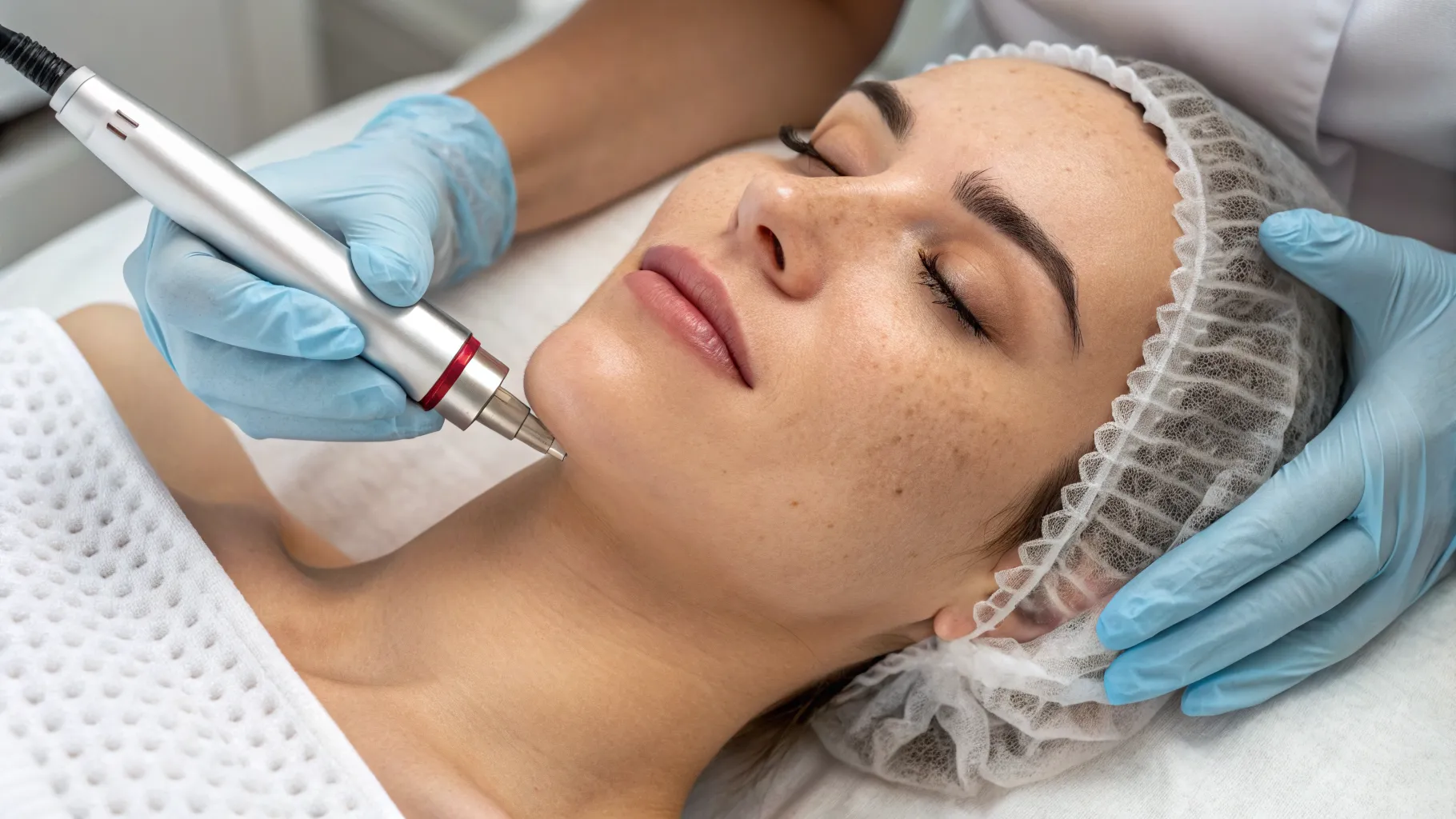
Embarking on microneedling therapy for acne scarring involves a series of steps designed to maximize efficacy and ensure patient comfort. Typically, the procedure begins with a thorough cleansing of the skin, followed by the application of a topical numbing cream to minimize discomfort. Once the skin is adequately numbed, a trained professional uses a specialized microneedling device, which can be a pen-like tool or a dermarolling device, to systematically glide over the target areas. The depth of the needles can be adjusted based on the scar severity and skin type. The process usually takes about 30-60 minutes, depending on the treatment area. Patients might experience some redness and mild swelling immediately after, akin to a moderate sunburn, which usually subsides within 24-48 hours. Post-treatment care involves gentle cleansing and moisturizing, along with strict sun protection to facilitate optimal healing and prevent complications. Multiple sessions, typically spaced 4-6 weeks apart, are recommended for best results in comprehensive acne scars treatment.
Comparing Microneedling with Other Acne Scar Treatments
When considering acne scars treatment options, it's beneficial to compare microneedling therapy for acne scarring with other popular methods. Unlike aggressive ablative lasers that remove outer layers of skin, microneedling is a non-ablative procedure, meaning it keeps the epidermis intact. This results in a shorter downtime and reduced risk of complications like hyperpigmentation, particularly for individuals with darker skin tones. Chemical peels, while effective for superficial scars and texture, might not penetrate deeply enough for significant atrophic scar improvement. Subcision, a surgical technique, is more invasive but can be very effective for deeply tethered rolling scars, often used in conjunction with microneedling. Dermal fillers provide immediate volume but are temporary. The unique advantage of microneedling lies in its ability to stimulate natural collagen production, offering long-lasting and comprehensive skin rejuvenation without significant downtime or high risks associated with more invasive procedures. Its versatility in addressing various scar types and promoting overall skin health makes it a highly competitive and preferred option for many.
Maximizing Results and Aftercare for Lasting Skin Rejuvenation
Achieving the best outcomes from microneedling therapy for acne scarring extends beyond the procedure itself; diligent aftercare and lifestyle choices play a crucial role. To maximize the benefits of collagen induction therapy, it is imperative to follow your practitioner's post-treatment instructions rigorously. This typically includes avoiding direct sun exposure and using broad-spectrum sunscreen daily, as the newly treated skin is more susceptible to UV damage and post-inflammatory hyperpigmentation. Gentle, hydrating skincare products, free from harsh active ingredients like retinoids or acids, should be used for at least a week post-treatment. Incorporating serums rich in hyaluronic acid, growth factors, or vitamin C can further enhance healing and collagen synthesis, supporting the overall skin rejuvenation process. Staying hydrated, maintaining a healthy diet, and avoiding picking at the skin are also critical for optimal healing and preventing new breakouts. For severe scarring, combining microneedling with other treatments like PRP (Platelet-Rich Plasma) can significantly amplify results, accelerating tissue repair and improving skin quality. Consistency with treatment sessions and proper aftercare are the cornerstones of successful and long-lasting acne scars treatment.
Frequently Asked Questions
Is microneedling painful for acne scars treatment?
Most patients experience minimal discomfort during microneedling therapy for acne scarring thanks to the application of a topical numbing cream prior to the procedure. Some describe the sensation as a mild vibrating or scratching feeling. Any residual soreness typically subsides within a few hours post-treatment.
How many microneedling sessions are needed for noticeable acne scar improvement?
The number of sessions required varies depending on the severity of the acne scars and individual healing response. Generally, a series of 3 to 6 sessions, spaced 4 to 6 weeks apart, is recommended for optimal acne scars treatment and significant improvement in skin texture and scar depth. Your practitioner will create a personalized treatment plan.
What is the downtime after microneedling for skin rejuvenation?
Downtime after microneedling therapy for acne scarring is relatively short. You can expect mild to moderate redness and swelling, similar to a sunburn, which typically resolves within 24 to 48 hours. Some people may experience slight flaking or dryness in the days following the procedure as the skin rejuvenates itself. Most individuals can return to their normal activities within a day or two, provided they avoid strenuous exercise and direct sun exposure.
Can microneedling worsen acne or cause new breakouts?
If performed on active acne, microneedling can potentially spread bacteria and worsen breakouts. Therefore, it is crucial that the skin is clear of active lesions before undergoing microneedling therapy for acne scarring. When performed on clear skin, the risk of new breakouts is low, and the procedure is generally safe and effective for promoting skin rejuvenation and reducing existing scars.
Is microneedling safe for all skin tones for collagen induction therapy?
One of the advantages of microneedling therapy for acne scarring is its safety profile across various skin tones, including darker complexions. Unlike some laser treatments, microneedling carries a lower risk of post-inflammatory hyperpigmentation, making it a suitable option for individuals prone to discoloration. However, it is always best to consult with a qualified dermatologist or aesthetician who can assess your specific skin type and condition to ensure the treatment is appropriate and safe for you.
References
- Dermatology Times. "Microneedling for Acne Scars: A Comprehensive Review."
- Journal of Clinical and Aesthetic Dermatology. "Collagen Induction Therapy: A New Paradigm in Scar Treatment."
- American Academy of Dermatology Association. "Acne Scars: Diagnosis and Treatment."
- Plastic and Reconstructive Surgery. "The Efficacy of Microneedling in Skin Rejuvenation and Scar Management."
- National Institutes of Health. "Mechanism of Action and Clinical Applications of Microneedling."
Authored by MyTrendSpot team