Navigating Police Seized Utility Trucks for Auction Opportunities
Facts:
- Law enforcement agencies regularly conduct auctions for seized utility trucks.
- These police auctions offer significant value for businesses and individuals seeking surplus vehicles.
Unlocking Value: Exploring Police Seized Utility Trucks for Auction
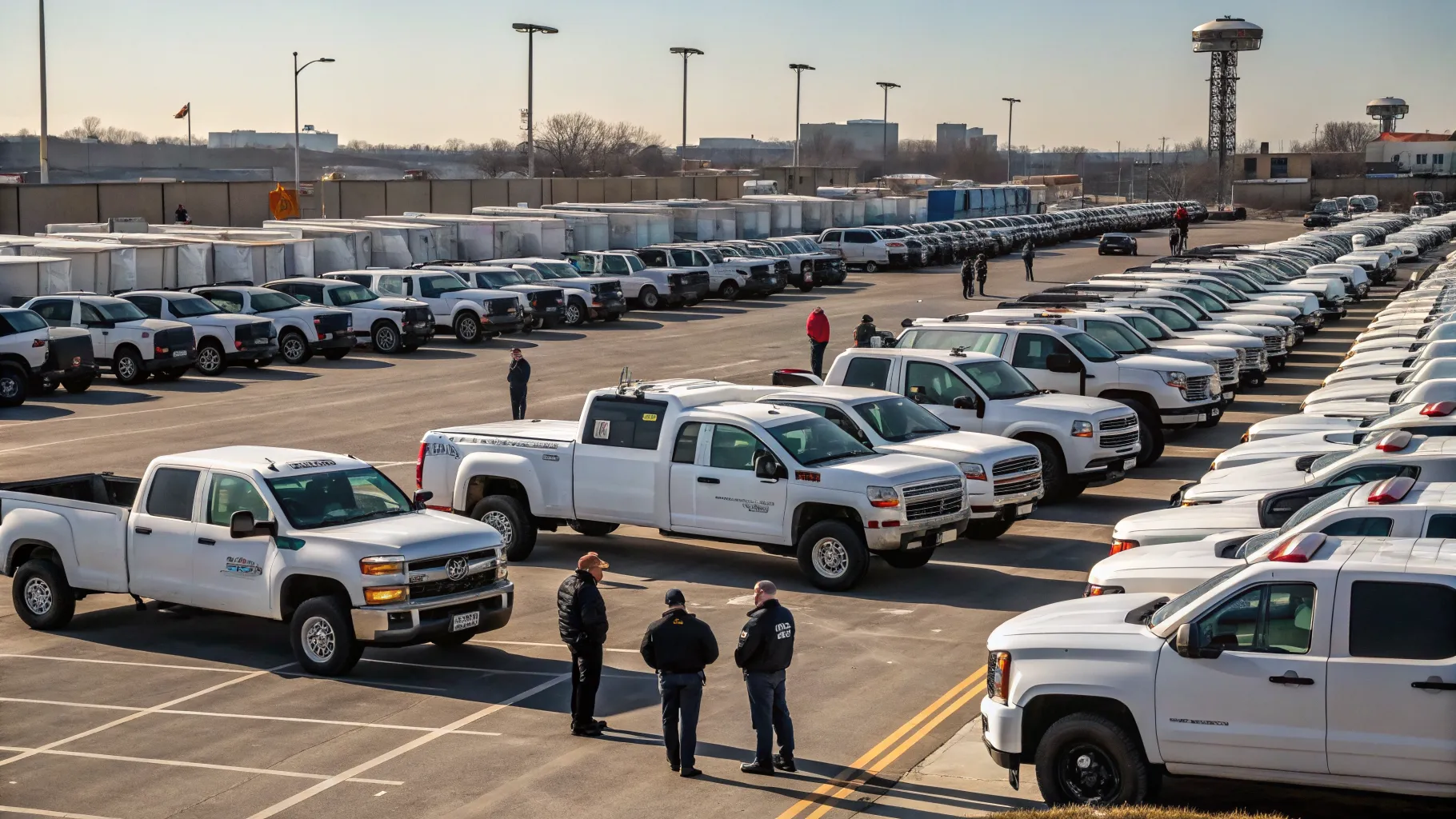
The opportunity to acquire valuable assets at a fraction of their market price often arises through official channels, particularly when dealing with seized utility trucks. These vehicles, confiscated for various legal reasons, frequently make their way to public police auctions. For businesses looking to expand their fleet or individuals seeking robust work vehicles, understanding the intricacies of these government auctions is paramount. This guide delves into how these essential assets become available, the process of their sale, and how savvy buyers can successfully navigate the market for surplus vehicles.
The Legal Framework Behind Asset Forfeiture and Seizure
Before a seized utility truck can even reach an auction block, it undergoes a stringent legal process known as asset forfeiture. This legal mechanism allows government agencies, predominantly law enforcement, to confiscate property that is believed to be connected to criminal activity. The rationale behind asset forfeiture is multifold: it aims to disrupt criminal enterprises by removing their resources, deter future illegal acts, and often, generate revenue that can be reinvested into law enforcement or community programs. The process typically involves a court order that declares the property forfeit, transferring ownership from the previous owner to the government. This legal precedent ensures that all seized utility trucks presented at police auctions are legitimately acquired and free of legal encumbrances for the buyer. Understanding this foundational legal step provides buyers with confidence in the legitimacy of their potential purchases and highlights the regulated nature of these public sale events.
Navigating the Landscape of Police and Government Auctions
Finding police auctions where seized utility trucks are available requires a systematic approach. These government auctions are not always widely advertised in mainstream media, often being listed on specific government websites, specialized auction platforms, or local law enforcement portals. Key entities to monitor include local sheriff's departments, federal agencies like the U.S. Marshals Service, and state police organizations. Each agency may have its own schedule and procedure for listing surplus vehicles and other forfeited property. Potential buyers should familiarize themselves with these various sources, often subscribing to mailing lists or setting up alerts for specific types of commercial vehicle listings. Furthermore, understanding the distinction between different types of government auctions—such as live, in-person events versus online-only sales—is crucial for effective participation and successful vehicle bidding. This proactive research minimizes missed opportunities and optimizes the search for high-value seized utility trucks suitable for fleet expansion.
Inspecting Seized Utility Trucks: What to Look For
When considering a seized utility truck at a police auction, thorough inspection is non-negotiable. Unlike conventional private sales, government auctions typically sell vehicles "as-is, where-is" with no warranties, explicit or implied. This necessitates a comprehensive evaluation of the vehicle's condition. Buyers should prioritize checking the engine and transmission for any obvious leaks or damage, inspecting tire wear, and verifying the functionality of lights, brakes, and other essential systems. It is also critical to review the vehicle's history, if available, through VIN checks, although detailed maintenance records are often scarce for asset forfeiture vehicles. Potential buyers should also look for signs of heavy use, rust, or body damage, as these can indicate costly repairs. Bringing a knowledgeable mechanic to the inspection period, if permitted, can be invaluable. This diligent approach to inspecting surplus vehicles helps mitigate risks and ensures that the seized utility trucks meet the operational demands of the new owner, whether for personal use or fleet expansion.
The Auction Process: Bidding and Acquisition Strategies
Participating in police auctions for seized utility trucks demands a strategic approach to vehicle bidding. Before the auction begins, it's essential to establish a maximum bid based on thorough research of the vehicle's market value and estimated repair costs. Avoid getting caught in bidding wars that push prices beyond your predetermined limit. During live auctions, observe the bidding patterns and be decisive. For online government auctions, understand the specific platform's rules, including proxy bidding options and last-minute bid increments. After a successful bid, prompt payment is usually required, often within 24-48 hours, typically via wire transfer or cashier's check. Buyers must also arrange for vehicle pick-up within a specified timeframe, as storage fees can quickly accrue. Familiarity with the entire auction process—from registration to final collection—is vital for a smooth transaction. Successful vehicle bidding at these public sale events can lead to significant savings for acquiring commercial vehicle assets.
Maximizing Value: Post-Auction Considerations for Your New Fleet
Acquiring seized utility trucks from police auctions is often just the first step in a strategic fleet expansion. Once a surplus vehicle is successfully purchased, immediate post-auction considerations become critical for maximizing its value and ensuring it integrates seamlessly into your operations. The first priority should be a comprehensive mechanical inspection by a trusted service provider. This will identify any underlying issues that were not apparent during the initial pre-auction viewing, allowing for proactive maintenance and necessary repairs. Investing in these initial repairs can significantly extend the lifespan and reliability of the commercial vehicle. Furthermore, consider necessary legal and administrative steps such as title transfer, registration, and insurance. Depending on the vehicle's previous use and condition, cosmetic enhancements like repainting or interior detailing might also be beneficial, particularly if the vehicle will be used for customer-facing operations. Developing a maintenance schedule and tracking expenses will help in long-term cost management for these government auctions acquisitions, ensuring that the initial savings translate into sustainable operational efficiency. Properly managing these post-acquisition steps is key to turning a seized utility truck into a valuable asset.
Frequently Asked Questions
What types of seized utility trucks are commonly found at police auctions?
At police auctions, you can commonly find a wide range of seized utility trucks, including pickup trucks, panel vans, cargo vans, flatbed trucks, service trucks, and even specialized equipment vehicles. The inventory varies significantly based on the region and the nature of the asset forfeiture cases, but generally, these are commercial vehicle types used for work and business purposes.
Are seized utility trucks from government auctions always in poor condition?
Not necessarily. While some surplus vehicles from government auctions may require significant repairs, many are in surprisingly good condition, especially if they were well-maintained before asset forfeiture. The condition varies widely, making thorough pre-auction inspection crucial. Buyers often find excellent deals on well-preserved seized utility trucks that just need minor work.
How can I find upcoming police auctions for commercial vehicle sales?
To find upcoming police auctions for commercial vehicle sales, you should regularly check local law enforcement websites (sheriff's offices, police departments), state and federal government auctions sites (e.g., GSA Auctions, U.S. Marshals Service), and specialized third-party auction sites that list asset forfeiture items. Subscribing to email alerts from these platforms is also an effective strategy to stay informed about public sale opportunities.
What payment methods are accepted at government auctions for surplus vehicles?
Payment methods for surplus vehicles at government auctions typically include cashier's checks, money orders, or wire transfers. Personal checks are rarely accepted. It's crucial to verify the accepted payment methods and timelines with the specific auction house or agency before participating in vehicle bidding, as immediate payment is often required after a successful bid.
Is it possible to inspect seized utility trucks before an auction process?
Yes, most government auctions provide specific inspection periods prior to the public sale for seized utility trucks. It is highly recommended to attend these viewing sessions to thoroughly assess the condition of the surplus vehicles. During this time, you can often start the engine, check the interior, and perform a visual inspection, though test drives are generally not allowed.
References
- The Federal Asset Forfeiture Program Overview
- State and Local Law Enforcement Auction Guidelines
- Guide to Public Surplus Property Sales
- Best Practices for Vehicle Acquisition at Government Auctions
- Understanding 'As-Is, Where-Is' Vehicle Sales Terms
Authored by MyTrendSpot team