Navigating Seasonal Allergies: Symptoms, Causes, and Effective Treatments
Facts:
- Over 50 million Americans experience seasonal allergies annually.
- Pollen counts are projected to increase for allergy sufferers due to climate trends.
Understanding the Impact of Seasonal Allergies
Seasonal allergies, often referred to as hay fever or allergic rhinitis, are a common condition affecting millions worldwide. These allergies manifest when the body's immune system overreacts to airborne particles, typically pollen from trees, grasses, or weeds. The impact can range from mild annoyance to significant disruptions in daily life, affecting sleep, work, and general well-being. Understanding the underlying mechanisms and various manifestations of seasonal allergies is crucial for effective management and improved quality of life, particularly as environmental factors continue to influence pollen seasons.
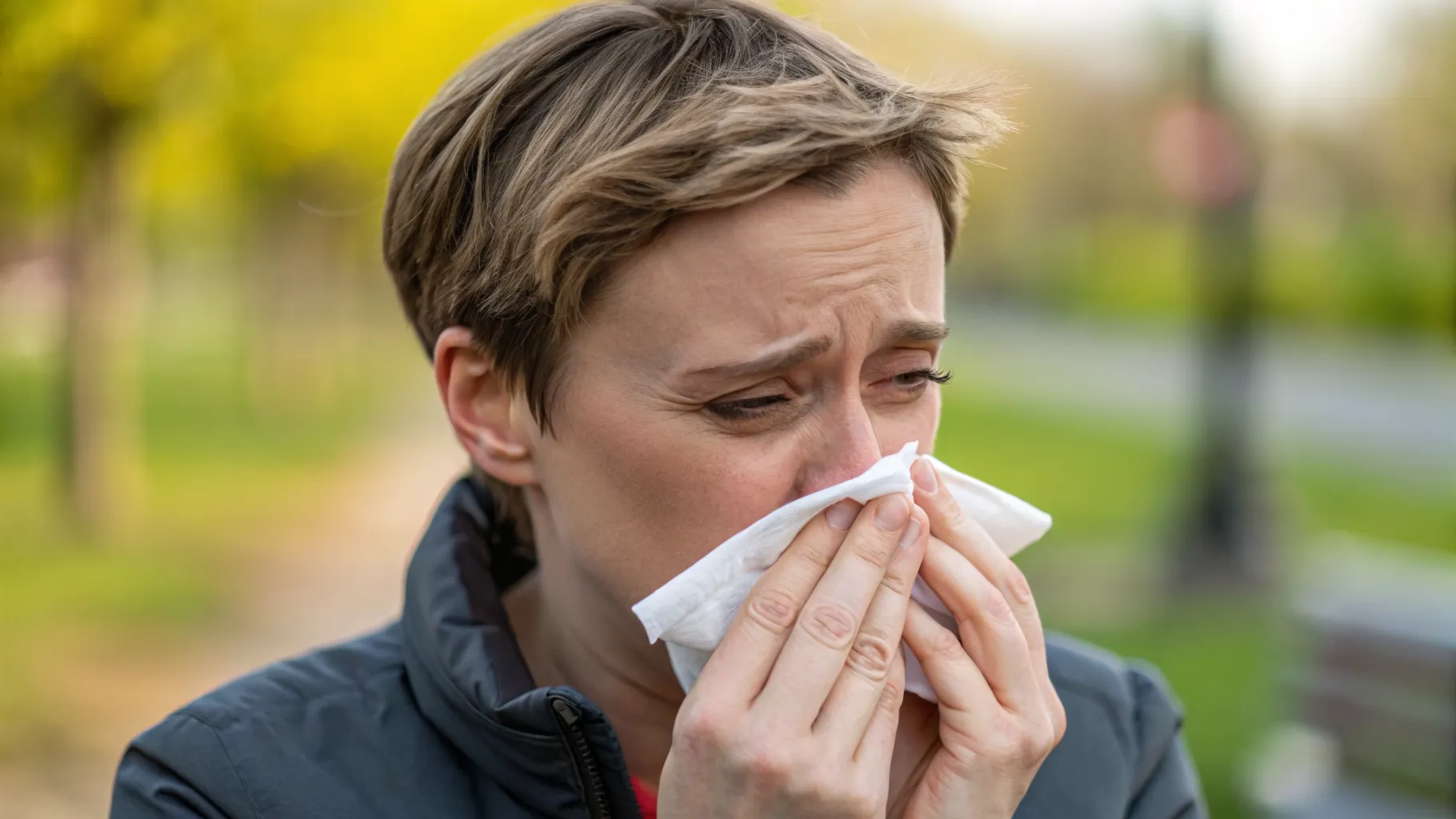
Common Seasonal Allergy Symptoms to Watch For
Identifying allergy symptoms early is key to managing seasonal allergies effectively. These symptoms can often be mistaken for a common cold, but key differences exist. Unlike a cold, allergies do not typically cause a fever or body aches, and they tend to persist for weeks or months, rather than just a few days. The immune system's response to allergens leads to a release of histamine and other chemicals, which trigger a cascade of uncomfortable reactions throughout the body.
Respiratory Allergy Symptoms
The most recognizable allergy symptoms often involve the respiratory system. Individuals frequently experience a runny or stuffy nose, which can range from clear, watery discharge to thick mucus congestion. Sneezing, often in rapid, uncontrollable bursts, is another hallmark. Many also suffer from an itchy throat, palate, or ears, which can be particularly irritating. These symptoms can lead to chronic post-nasal drip, causing a persistent cough and even hoarseness. Understanding the specific triggers, such as pollen allergy, is important for effective prevention.
Ocular and Dermal Allergy Symptoms
Beyond respiratory issues, seasonal allergies commonly affect the eyes and skin. Itchy, watery, and red eyes are prevalent, sometimes accompanied by swollen eyelids. This condition, known as allergic conjunctivitis, can make daily activities uncomfortable and is a clear indicator of a strong allergic reaction. While less common for strictly seasonal airborne allergens, some individuals may also experience skin reactions like hives or eczema flare-ups, particularly if they have underlying skin sensitivities or direct contact with allergens. These visible manifestations contribute significantly to the overall discomfort experienced by allergy sufferers.
Primary Causes of Seasonal Allergies
The fundamental allergy causes stem from the immune system's misguided response to otherwise harmless environmental substances. When susceptible individuals are exposed to specific allergens, their body produces antibodies called Immunoglobulin E (IgE). Upon subsequent exposure, these IgE antibodies bind to mast cells, triggering the release of histamine and other inflammatory mediators. These chemicals are responsible for the unpleasant symptoms associated with allergic reactions. The seasonality of these allergies directly correlates with the life cycles of the plants producing the allergens.
Pollen as a Major Allergen
The primary allergy causes for seasonal reactions are various types of pollen. Tree pollen is common in spring, grass pollen dominates late spring and summer, and weed pollen, particularly ragweed, is prevalent in late summer and fall. These microscopic grains are carried by the wind and easily inhaled, initiating allergic reactions. The amount of pollen in the air, often referred to as the pollen count, directly influences the severity of symptoms. Hot, dry, and windy days typically see higher pollen counts, exacerbating pollen allergy effects. Understanding the local pollen calendar can help individuals anticipate and prepare for their specific allergy season.
Environmental and Genetic Factors
While pollen is the direct trigger, several factors contribute to the development and severity of seasonal allergies. Genetics play a significant role; if one or both parents have allergies, their children are more likely to develop them. Environmental pollution can also worsen allergic reactions by irritating the nasal passages and making them more susceptible to allergens. Climate change, leading to longer and more intense pollen seasons, is increasingly becoming a significant factor. Exposure to certain allergens early in life, or lack thereof, can also influence the immune system's development and its propensity for allergic responses. Recognizing these multifaceted allergy causes is crucial for comprehensive management.
Effective Seasonal Allergy Treatments and Management Strategies
Managing seasonal allergies involves a combination of avoidance, medication, and, in some cases, immunotherapy. The goal of allergy treatments is to alleviate symptoms, prevent severe reactions, and improve quality of life. A tailored approach, often guided by a healthcare professional, yields the best results, considering the individual's specific allergens and symptom severity. Proactive measures, taken before the peak of allergy season, can significantly reduce suffering.
Over-the-Counter and Prescription Medications
A wide array of medications is available for allergy treatments. Antihistamines, available in oral forms, nasal sprays, and eye drops, work by blocking histamine's effects, reducing itching, sneezing, and runny nose. Decongestants can relieve nasal stuffiness but should be used cautiously and for short periods. Corticosteroid nasal sprays are highly effective at reducing inflammation in the nasal passages, offering comprehensive relief for various allergy symptoms. For more severe cases, prescription medications like leukotriene modifiers may be recommended. It's important to consult with a doctor to determine the most appropriate medication regimen and to understand potential side effects.
Lifestyle Adjustments and Home Remedies
Beyond medication, several lifestyle adjustments and home remedies can significantly aid in managing pollen allergy. Limiting exposure to allergens is paramount: stay indoors when pollen counts are high, keep windows closed, and use air conditioning with HEPA filters. Showering and changing clothes after spending time outdoors can remove pollen from your body and hair. Nasal rinses with saline solutions, such as a neti pot, can help flush allergens and mucus from the nasal passages. Eating a healthy diet and staying hydrated can also support overall immune function. While these methods don't cure allergies, they can substantially reduce the burden of allergy symptoms.
Immunotherapy for Long-Term Relief
For individuals whose allergy symptoms are severe and not well-controlled by medications and avoidance, immunotherapy offers a long-term solution. This treatment involves gradually exposing the body to increasing doses of allergens, helping the immune system build tolerance. Immunotherapy can be administered via allergy shots (subcutaneous immunotherapy, SCIT) or sublingual tablets (sublingual immunotherapy, SLIT). While requiring a significant time commitment, immunotherapy can lead to lasting relief and, in some cases, even a permanent reduction in allergic reactions. It addresses the root allergy causes rather than just masking the symptoms, making it a powerful option for many chronic sufferers.
Practical Advice for Managing Seasonal Allergies
- Monitor Pollen Counts: Regularly check local weather forecasts and online resources for daily pollen counts. Plan outdoor activities for times when pollen levels are lower, typically in the late afternoon or after a good rain. This simple step can significantly reduce exposure and lessen the severity of allergy symptoms.
- Maintain a Clean Home Environment: Use a HEPA filter in your vacuum cleaner and for your air conditioning unit. Dust and vacuum regularly to minimize indoor allergens. Consider using allergy-proof covers for pillows and mattresses to reduce dust mite exposure, which can exacerbate seasonal allergies.
- Protect Your Eyes and Nose Outdoors: Wearing sunglasses can help shield your eyes from airborne pollen. A wide-brimmed hat can also prevent pollen from accumulating on your hair. For severe nasal congestion, a saline nasal spray can help clear nasal passages before pollen has a chance to settle and trigger reactions.
- Stay Hydrated and Support Immune Health: Drinking plenty of water helps keep your mucous membranes moist, which can aid in flushing out irritants. Incorporating a balanced diet rich in anti-inflammatory foods, like fruits and vegetables, can also support overall immune system health and potentially reduce the body's inflammatory response to allergens.
- Consult an Allergist: If over-the-counter medications and home remedies are insufficient, or if your allergy symptoms are significantly impacting your daily life, seek professional advice. An allergist can perform tests to identify specific allergens and recommend personalized allergy treatments, including prescription medications or immunotherapy, addressing the precise allergy causes.
Frequently Asked Questions
What are the most common seasonal allergies symptoms?
The most common seasonal allergies symptoms include sneezing, runny or stuffy nose, itchy eyes, throat, or nose, and watery eyes. These symptoms are often triggered by exposure to airborne allergens like pollen.
How can I tell if I have seasonal allergies or a cold?
While both share symptoms like sneezing and a runny nose, seasonal allergies typically do not cause a fever or body aches, and symptoms persist for weeks or months, as opposed to a cold which usually resolves within a week or two. Allergy symptoms also often respond to antihistamines.
Are there natural allergy treatments?
Some individuals find relief from seasonal allergies through natural remedies like saline nasal rinses, local honey (though scientific evidence is mixed), quercetin supplements, and certain herbal teas. However, their effectiveness varies, and it's best to consult a doctor before trying new treatments, especially if you have other health conditions.
Can children get seasonal allergies?
Yes, children can absolutely develop seasonal allergies, often manifesting with similar symptoms to adults. Early diagnosis and management are important to prevent complications like asthma and ensure the child's comfort and quality of life.
References
- American Academy of Allergy, Asthma & Immunology (AAAAI)
- Asthma and Allergy Foundation of America (AAFA)
- Mayo Clinic - Seasonal Allergies
- National Institute of Allergy and Infectious Diseases (NIAID)
Authored by MyTrendSpot team