Navigating the Waters: A Guide to Buying Police Impound Watercraft
For many enthusiasts and bargain hunters, the idea of acquiring a watercraft at a significantly reduced price is appealing. Police impound sales present a unique opportunity to do just that. These vessels, ranging from small personal watercraft to larger boats, become available through government auctions after being seized or abandoned for various reasons. Understanding the process and what to expect can help potential buyers navigate these sales successfully.
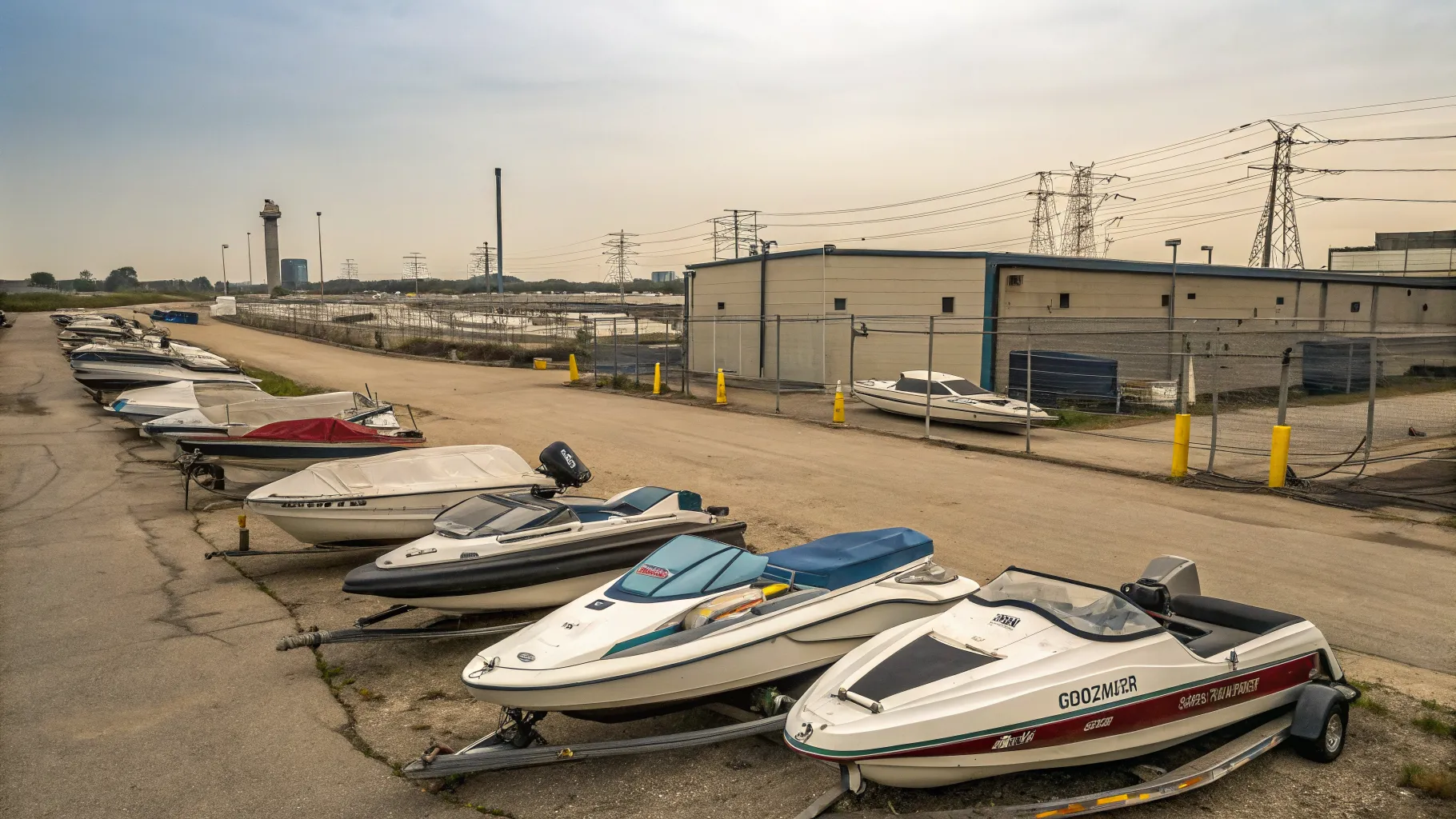
Understanding Impounded Watercraft
Impounded watercraft refers to boats, jet skis, or other personal vessels that have been seized by law enforcement agencies, harbor patrols, or other government entities. This seizure can occur for a variety of reasons, including violations of maritime law, unpaid dockage fees, abandonment, or as evidence in criminal investigations. Once a watercraft is impounded, a legal process typically unfolds to determine its fate.
If the original owner fails to claim the vessel within a specified period, or if it is deemed forfeited, the authorities will often move to sell it to recover costs associated with its impoundment, storage, and legal processing. These sales are usually open to the public, providing a chance for individuals to acquire watercraft that might otherwise be unavailable or priced higher on the open market.
Why Watercraft Get Impounded
Several scenarios lead to watercraft being impounded, each contributing to the diverse inventory found at public sales. Understanding these reasons can sometimes offer clues about the vessel's history and potential condition.
- Law Enforcement Seizures: Watercraft can be impounded if they are involved in criminal activity, such as drug trafficking, smuggling, or if they are used to commit other crimes. These vessels may be held as evidence and then forfeited to the state.
- Abandoned Vessels: Owners sometimes abandon watercraft in waterways, marinas, or on public property. After efforts to locate the owner fail, authorities will remove and eventually sell these abandoned items.
- Unpaid Fees and Liens: Just like vehicles, watercraft can be impounded for unpaid mooring fees, storage costs, or outstanding fines. Marinas or municipalities may initiate impoundment to recover their losses.
- Safety and Environmental Violations: Vessels that are deemed unsafe, unseaworthy, or posing an environmental hazard might be impounded by coast guard or environmental agencies.
Where to Find Impound Sales
Finding police impound watercraft for sale requires knowing where to look, as these sales are not typically advertised through conventional channels. Government agencies and auction houses specializing in surplus property are the primary sources.
Many local and state police departments, sheriff's offices, and port authorities conduct their own auctions. Larger federal agencies, such as the U.S. Marshals Service or U.S. Customs and Border Protection, also auction off seized assets. Additionally, some impound yards or government surplus departments might hold direct sales or list items online through specific government auction websites. Checking the official websites of these agencies or subscribing to their mailing lists can provide timely notifications of upcoming sales.
The Auction and Sale Process
Participating in an impound watercraft sale typically involves a structured process designed to ensure fairness and transparency. While specific rules can vary between agencies and auctioneers, common steps generally apply.
Prospective buyers usually need to register for the auction, which might involve providing identification and sometimes a deposit. It is crucial to read all terms and conditions beforehand. Most sales are conducted either live, on-site, or through online platforms. Bidders compete, and the watercraft is sold to the highest bidder. Payment is often required shortly after the auction's conclusion, usually within a day or two, and successful bidders are responsible for arranging the timely removal of the watercraft from the impound lot.
What to Expect and Inspect
Impounded watercraft are sold in an 'as-is, where-is' condition, meaning there are no warranties or guarantees. This makes a thorough inspection absolutely critical before placing a bid. The condition of these vessels can vary wildly, from minor cosmetic damage to significant structural issues or missing components.
Before attending a viewing or auction, it's wise to research common issues for the types of watercraft you're interested in. During the inspection period, which is often limited, check for signs of neglect, corrosion, damage to the hull, engine issues, and the condition of electrical systems and upholstery. Bring a knowledgeable friend or even a professional marine surveyor if possible, especially for larger or more expensive vessels. Remember that you may not be able to test the engine on the water, so visual inspection and asking about its last known operational status are key.
- Hull Integrity: Look for cracks, repairs, delamination, or signs of water damage.
- Engine Condition: Check for rust, leaks, fluid levels, and overall appearance. Inquire about service history if available.
- Electronics and Accessories: Verify the presence and apparent condition of navigation systems, radios, and other onboard electronics.
- Documentation: Confirm that a clear title or appropriate ownership documentation will be provided. Verify if there are any outstanding liens or encumbrances.
Risks and Rewards of Buying Impounded Vessels
Purchasing impounded watercraft comes with a distinct set of potential risks and significant rewards. On the reward side, the most attractive aspect is the potential for substantial savings. Vessels can often be acquired for a fraction of their market value, especially if they require some restoration or if competition at the auction is low. This can be an excellent way for handy individuals to get into boating or upgrade their current vessel without a hefty initial investment.
However, the risks should not be underestimated. The 'as-is' nature of these sales means buyers assume all responsibility for any defects. There's often limited or no opportunity to fully test the watercraft, leading to surprises post-purchase. Furthermore, historical documentation or service records might be scarce, making it difficult to ascertain the vessel's complete background. Buyers must be prepared for potential repair costs and the time investment required to make the watercraft seaworthy.
Tips for a Successful Purchase
To maximize your chances of a positive experience when buying impounded watercraft, preparation and careful consideration are essential. Start by setting a realistic budget that accounts not only for the purchase price but also for potential repairs, transportation, registration fees, and any necessary safety equipment. It's often advisable to have an emergency fund specifically for unexpected issues.
Educate yourself on the types of watercraft commonly found at these sales and understand their typical maintenance requirements. Attend a few auctions as an observer before you plan to bid, to familiarize yourself with the process and the types of items that become available. Always prioritize thorough inspection and be prepared to walk away if a vessel looks like it will require more time, money, or effort than you are willing to invest.
Authored by MyTrendSpot team