Navigating the World of Police-Impounded Off-Road Dirt Bikes
Purchasing an off-road dirt bike can be an exciting prospect for enthusiasts and new riders alike. While new and used markets offer traditional routes, an often-overlooked avenue is the sale of police-impounded vehicles. These bikes, once seized or recovered by law enforcement, eventually make their way to public auctions, offering a different kind of buying experience.
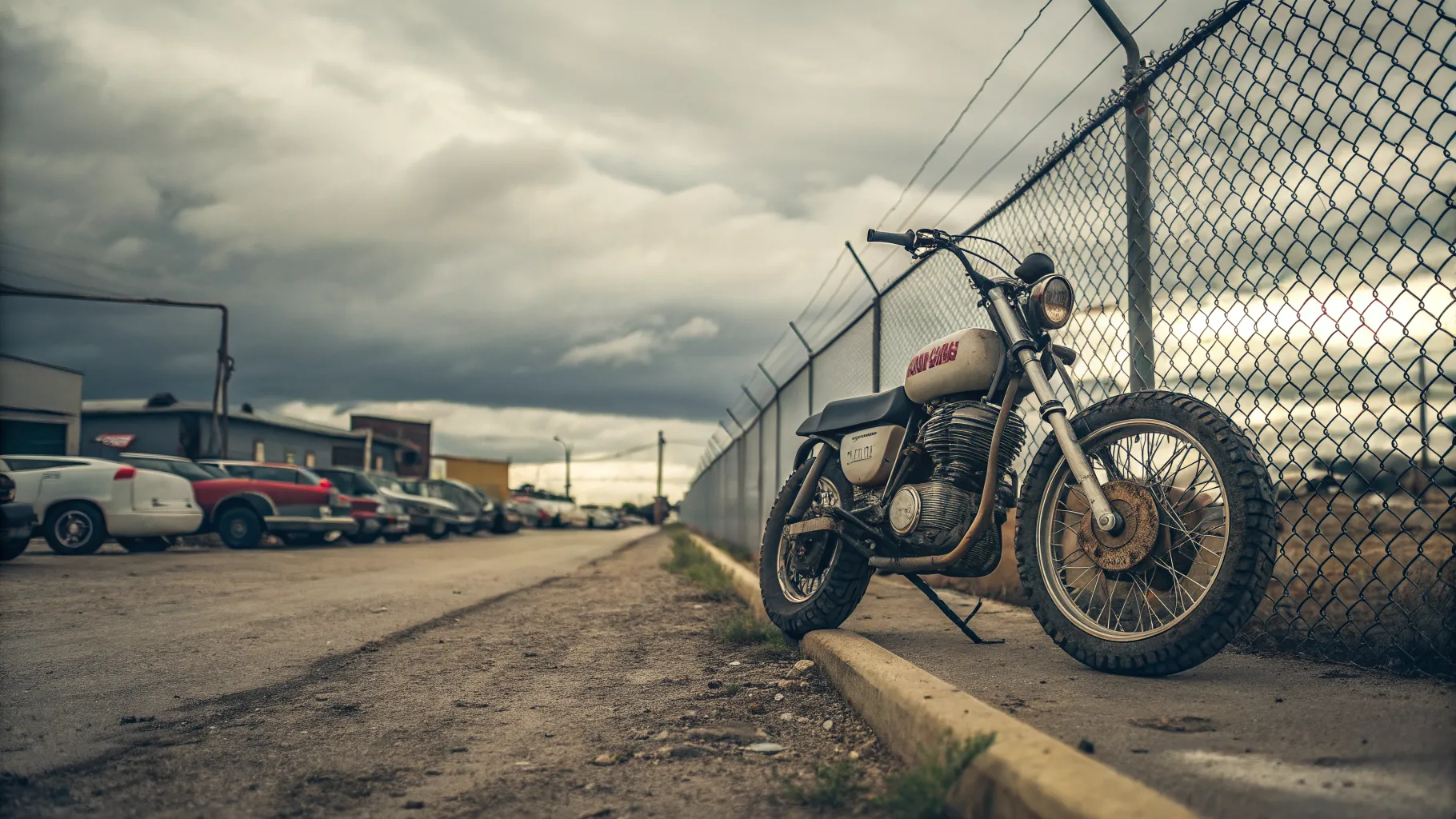
How Dirt Bikes Become Impounded Property
Dirt bikes can end up in police impound lots for a variety of reasons, often reflecting local laws and enforcement priorities. Common scenarios include bikes seized for being operated illegally on public roads or private property without permission. Unregistered vehicles, or those involved in traffic infractions where the rider cannot produce proper documentation, may also face impoundment.
Beyond operational violations, dirt bikes can be impounded as evidence in criminal investigations, such as theft or other offenses. Once their role in a case is concluded and if the original owner cannot be identified or claimed within a specific timeframe, these vehicles are then designated for public sale to clear storage and recover costs.
Where to Find Impounded Dirt Bikes for Sale
Locating impounded dirt bikes for sale typically involves looking into government and municipal surplus auctions. Police departments, sheriff's offices, and other law enforcement agencies often hold periodic auctions to offload seized and unclaimed property. These events can be advertised locally or through dedicated online auction platforms that specialize in government surplus.
In addition to direct police auctions, some tow yards or impound facilities that contract with law enforcement may also conduct their own lien sales to recoup storage fees. Websites for city or county governments are good starting points, as they often list information about upcoming auctions or provide links to third-party auctioneers they utilize.
Understanding the Auction Process
Participating in an impounded vehicle auction usually requires a few preparatory steps. Prospective buyers often need to register in advance, sometimes paying a refundable deposit. It's crucial to review the auction house's specific terms and conditions, which detail payment methods, pickup deadlines, and 'as-is, where-is' policies.
On auction day, buyers typically have an opportunity to preview the items before bidding begins. This viewing period is essential for inspecting the bikes, as most sales are final. Bidding can occur in person, online, or sometimes through proxy bids. Once a bid is won, prompt payment is usually required, and the buyer is responsible for removing the vehicle within a specified timeframe.
Key Considerations Before Buying
Before placing a bid on an impounded dirt bike, it's important to approach the purchase with a clear understanding of the risks. These bikes are almost always sold 'as-is, where-is,' meaning there are no warranties or guarantees regarding their condition or functionality. Buyers should expect that the bike may require significant repairs or maintenance.
The history of an impounded bike can be largely unknown. Unlike private sales, there's often no previous owner to provide maintenance records or insights into past usage. This lack of history means a buyer must be prepared for potential hidden issues, from engine problems to frame damage, which might not be immediately apparent during a brief inspection.
Essential Inspection Points
During the limited preview time at an auction, focus on critical areas of the dirt bike. Begin by examining the frame for any signs of cracks, bends, or previous repairs, especially around the welds and stress points. Check the wheels for trueness, bent spokes, or damaged rims, and inspect the tires for wear, dry rot, and proper inflation.
Move on to the engine and transmission. Look for oil leaks, unusual noises when turning the engine over (if possible), and ensure the chain and sprockets are in reasonable condition. Test the suspension by compressing the forks and rear shock to check for smooth action and oil leaks. Finally, verify that the handlebars are straight, controls operate freely, and basic electrical components, like the kill switch, appear intact.
Understanding Legality and Documentation
A crucial aspect of buying an impounded dirt bike is securing proper documentation. Ensure the auction provides a clear bill of sale and, if applicable, a title or certificate of origin. Some impounded bikes may only come with a bill of sale, which might complicate future registration, especially if the bike was previously unregistered or if local laws require a title for off-road use.
Buyers should inquire about the bike's VIN (Vehicle Identification Number) before purchase and consider performing a VIN check. This can reveal if the bike was reported stolen, has a salvage history, or other adverse records. Understanding the specific registration requirements for off-road vehicles in your area is vital, as these vary significantly by state or region.
Potential Benefits and Risks
The primary advantage of purchasing an impounded dirt bike is the potential for a significantly lower price compared to market value. These auctions often attract buyers looking for project bikes or those with the skills to perform necessary repairs, making them an economical entry point into off-road riding for the mechanically inclined.
However, the risks are substantial. The 'as-is' nature means you inherit all existing problems. Repair costs can quickly negate initial savings, and a bike with an unclear history could pose legal challenges or persistent mechanical issues. Without a proper title, some bikes may be limited to private property use only, impacting where you can legally ride.
Authored by MyTrendSpot team