Navigating the World of Smart Fitness Trackers with Bluetooth
Smart fitness trackers, integrated with Bluetooth technology, have transformed personal health management by making it easier to monitor activity levels, sleep patterns, and various other health metrics. These devices bridge the gap between casual exercise and detailed physiological tracking, providing users with actionable insights into their well-being. Understanding their capabilities, typical price points, and what influences these costs is key to making an informed choice.
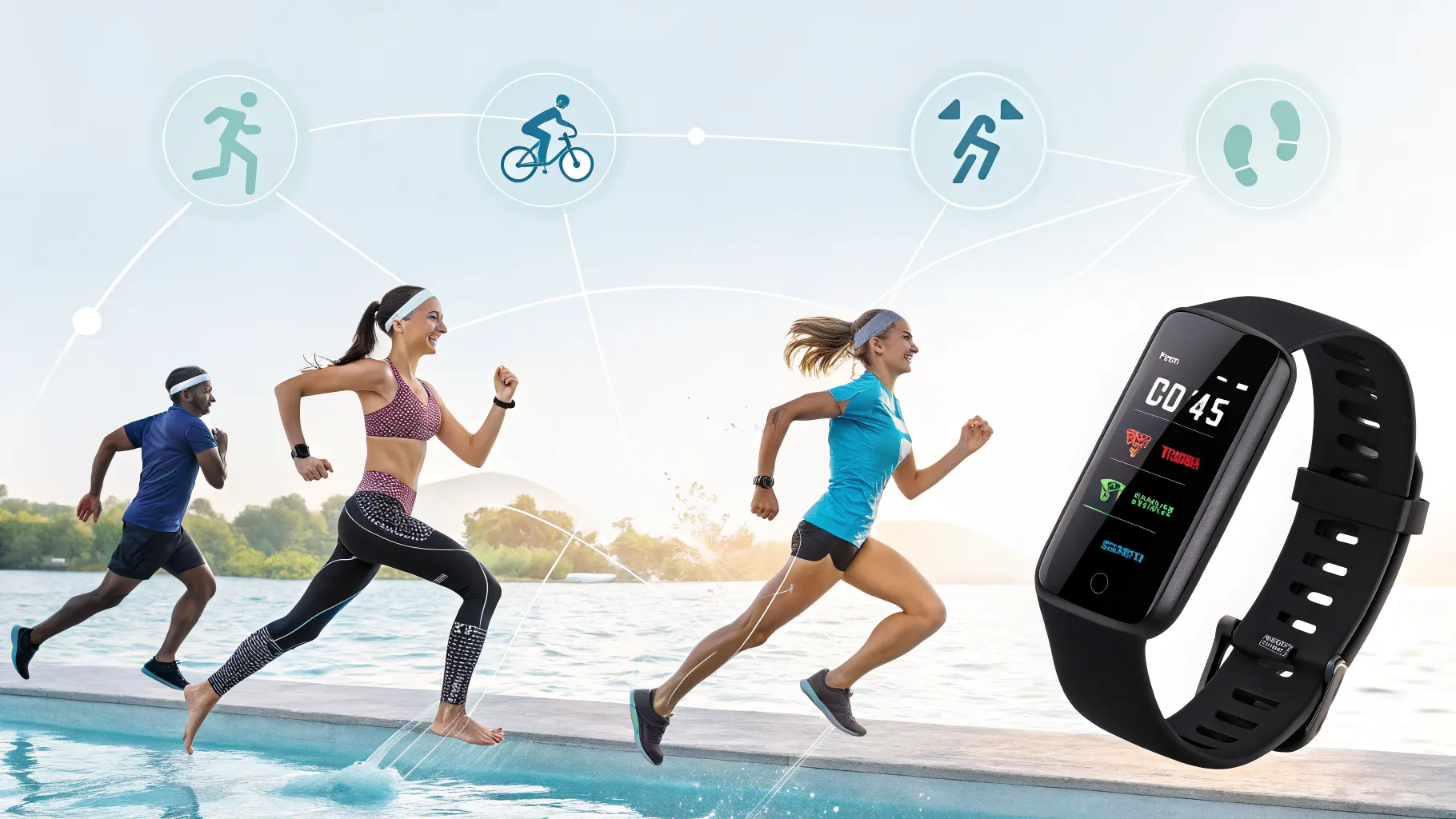
Understanding Smart Fitness Trackers and Bluetooth Connectivity
Smart fitness trackers are wearable devices designed to record and analyze data related to a user's physical activity and health. These devices typically include sensors that measure steps taken, distance traveled, calories burned, and often heart rate. More advanced models can also track sleep quality, blood oxygen levels, and even stress.
Bluetooth connectivity is a fundamental component of these trackers, allowing them to wirelessly sync recorded data with a smartphone, tablet, or computer. This enables users to view their progress, analyze trends, and receive notifications through companion apps. Without Bluetooth, the utility of a smart fitness tracker would be significantly limited, as it is the primary conduit for data transfer and communication with other devices.
Key Features to Look For
When considering a smart fitness tracker, a variety of features contribute to its overall utility and value. Basic models often focus on core activity tracking, while more sophisticated devices offer a broader range of functionalities.
- Activity Tracking: Measures steps, distance, calories burned, and active minutes. Look for accuracy and customizable activity goals.
- Heart Rate Monitoring: Essential for understanding workout intensity and overall cardiovascular health. Some offer continuous monitoring, others on-demand.
- Sleep Tracking: Analyzes sleep stages (light, deep, REM) and sleep quality. This can help identify patterns and improve sleep hygiene.
- GPS: Built-in GPS is crucial for outdoor activities like running or cycling, providing accurate route mapping and distance without needing a connected smartphone.
- Water Resistance: Important for swimming, showering, or use in rainy conditions. Check the depth rating (e.g., 5 ATM for swimming).
- Smart Notifications: Displays calls, texts, and app alerts from a connected smartphone directly on the tracker's screen.
- Battery Life: Varies significantly. Some last a few days, others several weeks, depending on features and usage.
Price Ranges and Corresponding Features
The cost of smart fitness trackers can vary widely, primarily influenced by the brand, the quality of materials, and the breadth and accuracy of their features. Generally, devices fall into entry-level, mid-range, and premium categories, each offering a distinct set of capabilities.
Entry-level trackers are typically more affordable, focusing on core functionalities such as step counting, basic sleep tracking, and rudimentary heart rate monitoring. These models often have simpler displays, shorter battery life, and may lack advanced features like GPS or extensive water resistance. They are a good starting point for those new to fitness tracking or seeking basic activity insights.
Mid-range trackers provide a balance of features and cost. They usually include more accurate sensors, built-in GPS, enhanced heart rate monitoring, and often better build quality. Many in this category also offer improved sleep analysis, stress tracking, and robust smart notification capabilities. Premium trackers, at the higher end of the spectrum, boast the most comprehensive feature sets. This includes advanced physiological metrics, electrocardiogram (ECG) capabilities, blood oxygen (SpO2) monitoring, high-resolution color displays, superior battery life, and durable, often premium, materials like stainless steel or Gorilla Glass. These devices are designed for serious athletes or individuals who desire the most detailed health data and integration with extensive health ecosystems.
Factors Influencing the Cost of Fitness Trackers
Several factors contribute to the varying prices of smart fitness trackers. Understanding these can help consumers appreciate the value proposition of different models.
The quality and number of sensors are significant price drivers. Trackers with advanced heart rate monitors, pulse oximeters, GPS modules, and even skin temperature sensors are inherently more expensive to produce. The materials used also play a role; devices with durable glass displays, premium metals, or high-quality straps typically cost more than those made with basic plastics and silicone.
Brand reputation and ecosystem integration also influence pricing. Established brands often command higher prices due to their research and development, software support, and integration with popular health and fitness apps. Furthermore, features like long battery life, advanced processing power for on-device data analysis, and sophisticated software algorithms for more accurate insights contribute to the overall cost.
Where to Find Smart Fitness Trackers
Smart fitness trackers are widely available through various retail channels, making them accessible to a broad audience. Consumers have several options for browsing and purchasing these devices, both in physical stores and online.
Major electronics retailers are a common destination, often stocking a wide range of brands and models, from entry-level options to premium devices. These stores typically allow customers to view products in person and sometimes offer demonstrations. Additionally, many sporting goods stores also carry fitness trackers, often focusing on models geared towards specific athletic activities or outdoor use. Online marketplaces and the official websites of manufacturers provide the most extensive selection, often at competitive prices, with the convenience of home delivery. These platforms also provide access to user reviews and detailed product specifications, aiding in the decision-making process.
Making an Informed Decision
Choosing the right smart fitness tracker involves aligning personal health goals and lifestyle with the device's features and budget. It is helpful to prioritize which metrics are most important to you, as this will narrow down the options considerably.
Consider your daily activities and how the tracker will fit into your routine. If you're an avid swimmer, water resistance is paramount. If you run outdoors frequently without your phone, built-in GPS is a must-have. Researching user reviews and independent tests can also provide valuable insights into the real-world performance and accuracy of different models, helping to ensure that the chosen device meets expectations for both functionality and value.
Maintaining Your Tracker for Longevity
Once you've acquired a smart fitness tracker, proper care and maintenance can significantly extend its lifespan and ensure continued accuracy. Simple habits can preserve your investment.
Regular cleaning is essential, especially for devices worn continuously. Gently wipe the device and band with a soft, damp cloth to remove sweat, dirt, and oils. Pay attention to charging ports and sensors, ensuring they remain clear of debris. Following manufacturer guidelines for charging is also crucial; avoid overcharging and use only approved chargers. Periodically checking for and installing software updates will ensure your tracker has the latest features, bug fixes, and security enhancements, contributing to its performance and longevity over time.
Authored by MyTrendSpot team