Understanding Your New Garden Fence Installation Cost in 2026
Facts:
- Garden fence market expected to grow steadily.
- DIY options trending for budget-conscious homeowners.
Breaking Down the New Garden Fence Installation Cost
Embarking on a garden transformation often begins with defining boundaries, and understanding the new garden fence installation cost is crucial for any homeowner. As we look towards 2026, various elements contribute to the overall expenditure, from material choices to labor rates and specific site conditions. This comprehensive guide will navigate you through the financial landscape, ensuring you can plan your fence installation budget effectively and make informed decisions.
Factors Influencing Your Garden Fence Pricing
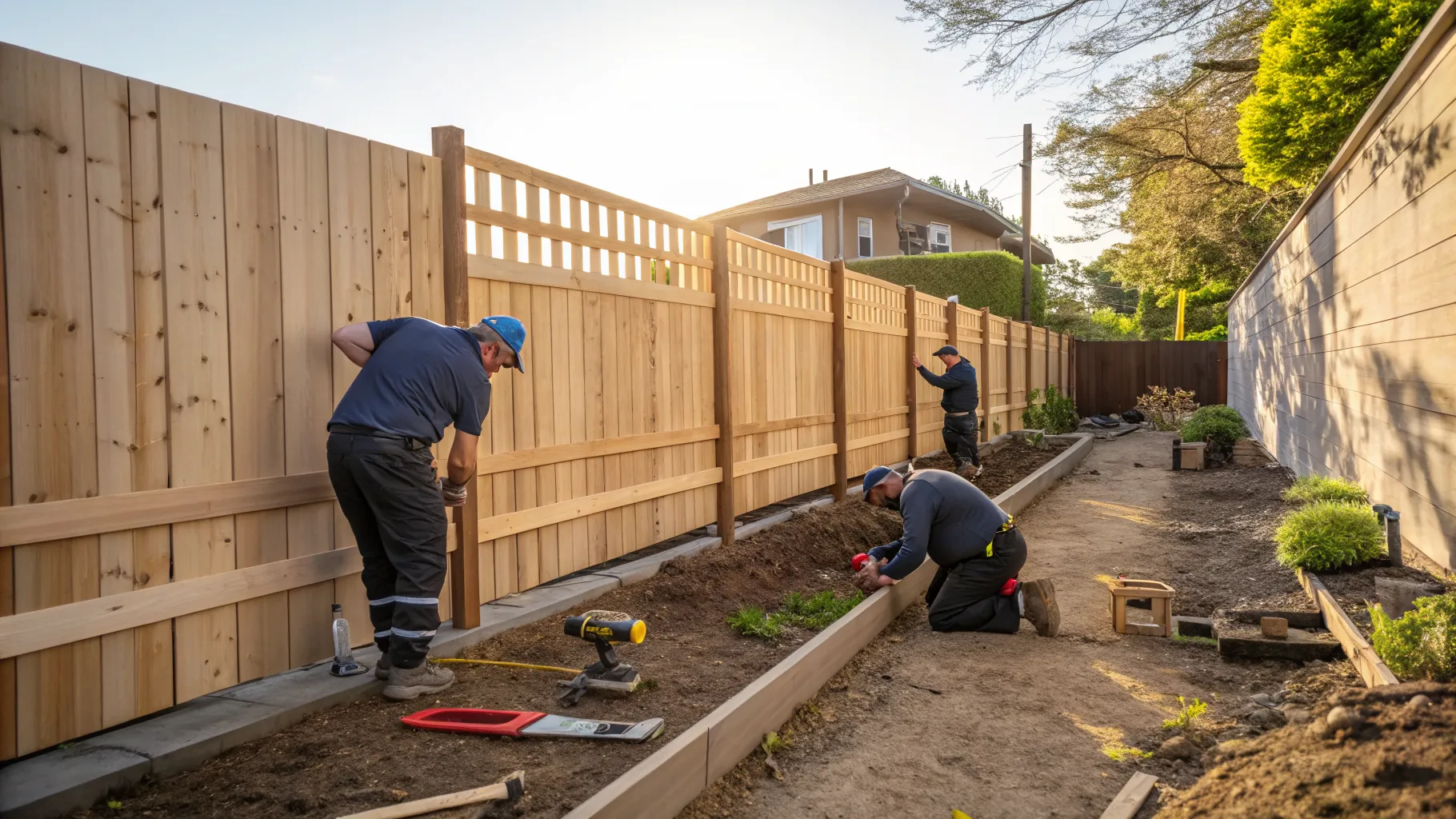
When calculating the new garden fence installation cost, several key factors come into play, each significantly impacting the final price. Understanding these variables is the first step towards a realistic fence installation budget. The type of material chosen is often the largest determinant. Wood fences, while classic, vary greatly depending on the species – pressure-treated pine is more economical than cedar or redwood, which offer enhanced durability and aesthetic appeal. Vinyl fencing provides a low-maintenance solution with a higher upfront cost, while metal options like aluminum or wrought iron present different price points based on their strength and decorative elements. Labor costs also play a substantial role, fluctuating with regional demand, the complexity of the installation, and the experience of the contractors. Site preparation, including the removal of old fencing or clearing obstacles, adds to the total. Furthermore, the height and length of the fence, along with any gates or custom design features, will naturally increase the overall expenditure.
Exploring Different Types of Fencing Materials
The choice of material significantly impacts the aesthetic, durability, and ultimately, the new garden fence installation cost. Homeowners have a plethora of options, each with its unique advantages and disadvantages.
Wood Fencing: Classic Appeal and Versatility
Wood remains a popular choice for its natural beauty and versatility. Options range from economical pressure-treated pine, offering good resistance to rot and insects, to premium cedar and redwood known for their longevity and resistance to decay without chemical treatment. The cost of installing a fence made of wood can vary dramatically based on the wood type, fence style (e.g., picket, privacy, post-and-rail), and the need for regular maintenance like staining or painting.
Vinyl Fencing: Low Maintenance, Modern Look
Vinyl fences, often made from PVC, offer exceptional durability and require minimal maintenance once installed. They are resistant to rot, pests, and weathering, making them a long-term investment. While the initial garden fence pricing for vinyl can be higher than some wood options, the savings on maintenance over its lifespan can offset the upfront expense. Available in various colors and styles, vinyl can mimic the look of wood without the upkeep.
Metal Fencing: Security and Elegance
Metal fences, including aluminum and wrought iron, provide both security and an elegant aesthetic. Aluminum is lighter, rust-resistant, and typically more affordable than wrought iron, offering a decorative yet sturdy boundary. Wrought iron, while significantly more expensive for the cost of installing a fence, offers unparalleled strength and intricate design possibilities, often used for high-end properties. Both types are highly durable but may require occasional painting to prevent rust, particularly with iron.
Composite Fencing: Sustainable and Durable
Composite fencing, made from a blend of wood fibers and recycled plastics, offers an environmentally friendly alternative that combines the best features of wood and plastic. It boasts excellent durability, resistance to rot and insects, and low maintenance requirements. While the new fence cost for composite materials can be on the higher end, its long lifespan and minimal upkeep make it an attractive option for homeowners seeking a sustainable and robust solution.
Understanding Labor and Installation Factors
Beyond material costs, labor and site-specific challenges significantly influence the total new garden fence installation cost. Professional installation ensures proper construction, durability, and adherence to local regulations. Labor rates vary by region, the complexity of the fence design, and the terrain. Sloping or uneven ground, rocky soil, or areas with dense vegetation can increase labor time and costs due as they require more intensive site preparation and specialized techniques. Removing an existing fence is another factor; this can be a separate charge or included in the overall quote. Always get multiple quotes from reputable contractors to compare the cost of installing a fence, ensuring they detail both material and labor expenses, as well as any disposal fees for old materials. A clear understanding of these labor components helps in building a comprehensive fence installation budget.
Permits, Regulations, and Hidden Costs
Before any installation begins, it's crucial to investigate local zoning laws and homeowner association (HOA) regulations regarding fence height, placement, and materials. Failure to obtain necessary permits or adhere to guidelines can result in fines or the forced removal of your new fence, adding unexpected expenses to your new garden fence installation cost. Permit fees themselves are a direct cost, albeit usually minor. Other potential hidden costs include utility line locating services (always call 811 before digging!), specialized tools for difficult terrains, or unexpected repairs to existing landscaping after installation. Being proactive about these administrative and site-specific details can prevent costly surprises and help maintain your fence installation budget within reasonable limits.
Strategies for Managing Your Fence Installation Budget
Even with rising material and labor costs, there are several effective strategies homeowners can employ to manage their new garden fence installation cost without compromising on quality or aesthetics. Prioritize your needs: do you require full privacy, or is a decorative boundary sufficient? This will guide your material and height choices. Consider a phased approach if budget is tight, installing sections over time. Exploring DIY options for certain aspects, such as post-hole digging (where feasible and safe) or painting/staining after professional installation, can reduce labor costs. However, be realistic about your skills and time, as improper DIY can lead to more expensive repairs later. Researching different types of fencing materials and comparing quotes from multiple suppliers and installers is paramount. Don't shy away from asking for detailed breakdowns of costs, including materials, labor, and any extra fees. Sometimes, choosing a slightly less premium material initially, which still meets your needs, can offer significant savings on the overall garden fence pricing.
Frequently Asked Questions
What factors most impact the new garden fence installation cost?
The primary factors influencing the new garden fence installation cost are the type of material chosen (e.g., wood, vinyl, metal, composite), the length and height of the fence, labor rates in your region, and site-specific conditions like uneven terrain or existing fence removal. Additional costs can include gates, custom features, and necessary permits.
How can I save money on my fence installation budget?
To save money, consider more economical material options, obtain multiple quotes from different contractors, and evaluate if a partial DIY approach (such as painting or post-hole digging for smaller projects) is feasible for you. Opting for standard designs over custom ones can also reduce the cost of installing a fence. Prioritize your needs to avoid overspending on unnecessary features.
Do I need a permit for a new garden fence?
In many areas, yes, a permit is required for a new garden fence installation cost, especially if it exceeds a certain height or is located near property lines. It's crucial to check with your local municipality or homeowner's association (HOA) before starting any work to understand their specific regulations and permit requirements. This avoids potential fines or having to remove the installed fence.
References
- National Association of Fence Contractors
- Local Building Codes and Zoning Ordinances
- Leading Home Improvement Publications and Websites
- Material Manufacturer Specifications and Pricing Guides
Authored by MyTrendSpot team