Exploring New Treatment Options for Eczema
Eczema, also known as atopic dermatitis, is a prevalent skin condition characterized by red, itchy, and inflamed patches of skin. While its exact cause remains complex, involving a combination of genetic and environmental factors, the impact on quality of life can be significant. For many years, treatment primarily relied on topical corticosteroids and moisturizers, but with a deeper understanding of the underlying immune pathways, a new era of targeted therapies has emerged, offering more refined and effective ways to control symptoms and improve skin health.
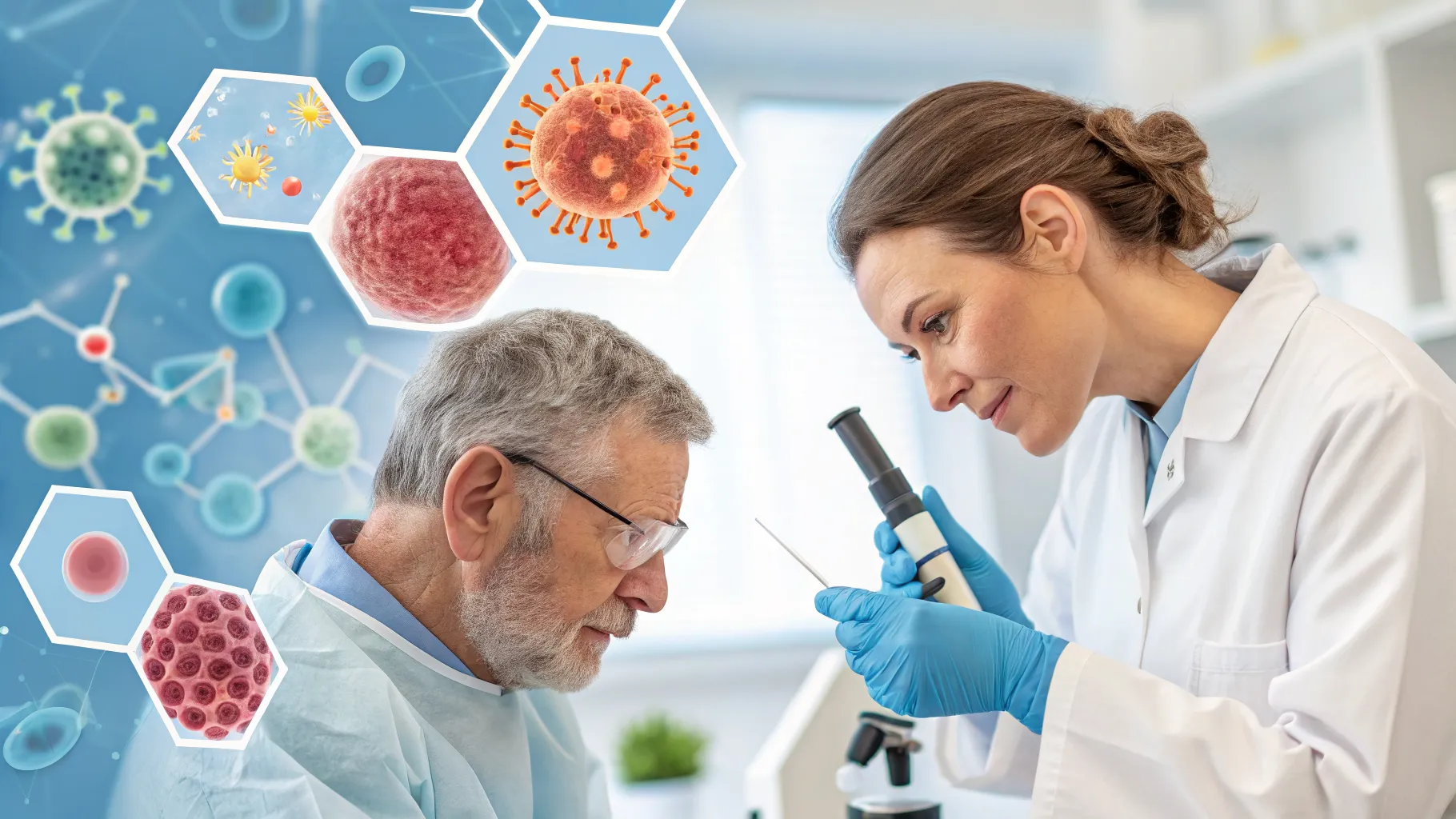
Understanding the Evolving Landscape of Eczema Treatment
The traditional approach to managing eczema focused on alleviating symptoms and reducing inflammation using broad-spectrum treatments. While these methods remain valuable, they often come with limitations, particularly for individuals with moderate to severe forms of the condition. The advent of new research has shifted the paradigm, moving towards therapies that specifically target the immune responses driving eczema.
This shift allows for more personalized treatment plans, aiming to address the root causes of inflammation rather than just the visible symptoms. Patients and healthcare providers now have a wider array of choices, making it possible to find more suitable and sustainable solutions for long-term management.
Biologic Therapies: A Targeted Approach
Biologic therapies represent a significant leap forward in eczema treatment. These are drugs derived from living organisms that specifically target key immune proteins, or cytokines, involved in the inflammatory cascade of atopic dermatitis. Unlike traditional immunosuppressants, biologics are designed to be highly selective, leading to fewer systemic side effects.
One prominent example targets the interleukin-4 (IL-4) and interleukin-13 (IL-13) pathways, which are central to the type 2 inflammation seen in eczema. Administered via injection, these treatments have demonstrated remarkable efficacy in reducing itching, improving skin clearance, and enhancing the overall quality of life for patients with moderate to severe atopic dermatitis who have not responded adequately to other systemic therapies.
Topical Janus Kinase (JAK) Inhibitors
Topical Janus Kinase (JAK) inhibitors are another exciting development, offering a non-steroidal option for localized eczema. These creams or ointments work by blocking the activity of JAK enzymes, which are crucial for transmitting signals from certain inflammatory cytokines within skin cells. By interrupting these signaling pathways, topical JAK inhibitors can effectively reduce inflammation and itching at the site of application.
This class of medication provides a novel alternative to topical corticosteroids, particularly for sensitive areas of the body or for long-term use where steroid-related side effects might be a concern. Their targeted action within the skin minimizes systemic exposure, offering a favorable safety profile for many patients.
Oral Systemic JAK Inhibitors
Beyond topical applications, oral systemic JAK inhibitors have also been approved for moderate to severe atopic dermatitis in adults. These oral medications work similarly to their topical counterparts by inhibiting JAK enzymes, but their systemic action allows them to address widespread inflammation throughout the body. They offer a convenient, non-injectable option for patients requiring systemic treatment.
Oral JAK inhibitors have shown rapid and significant improvements in itch and skin clearance in clinical trials. However, because of their systemic nature, healthcare providers carefully consider potential side effects and monitor patients closely. They represent an important addition to the toolkit for managing severe, widespread eczema.
Emerging Non-Steroidal Topical Options
The quest for effective, non-steroidal topical treatments continues, leading to the development of several new compounds. These include topical phosphodiesterase-4 (PDE4) inhibitors and topical aryl hydrocarbon receptor (AhR) modulators. These medications work through different mechanisms to reduce inflammation and itching in the skin without the risk of corticosteroid-related side effects like skin thinning.
- Topical PDE4 inhibitors: These reduce inflammation by increasing levels of cyclic AMP in immune cells, thereby dampening inflammatory responses.
- Topical AhR modulators: These act by engaging a receptor that plays a role in skin barrier function and immune regulation, helping to normalize skin cell growth and reduce inflammation.
These newer topical agents provide valuable alternatives for patients seeking to minimize corticosteroid use or for those with specific areas of eczema that require gentle yet effective treatment.
Advancements in Phototherapy and Other Adjunctive Treatments
While not entirely new, phototherapy, specifically narrowband ultraviolet B (UVB) light therapy, continues to evolve and remain a cornerstone for many eczema patients. Modern phototherapy units are more precise and safer, delivering controlled doses of light to reduce inflammation and itch. It is often considered for individuals with widespread eczema who haven't responded to topical treatments.
Furthermore, the importance of a strong skin barrier cannot be overstated. Alongside new medications, advancements in specialized emollients and barrier repair creams continue to play a crucial role. These products often contain ingredients that mimic the skin's natural lipids, helping to repair the skin barrier and lock in moisture, thereby reducing dryness and susceptibility to irritants and allergens. Combining these barrier-supporting strategies with targeted new treatments often yields the best outcomes.
Authored by MyTrendSpot team