Police Impound Rare Painting Auctions: A Guide to Seized Artwork Sales
Facts:
- Rare artworks seized by law enforcement often enter public auction.
- Increased transparency drives interest in confiscated art sales for the global art market.
Unveiling the Intrigue: How Police Impoundments Shape Rare Painting Auctions
The opaque world of high-value art often intersects with complex legal frameworks, especially when a rare painting auction arises from a police impoundment. These events are not just sales; they are intricate sagas involving law enforcement, legal battles, and the eager anticipation of art collectors worldwide. Understanding the journey of a seized artwork from confiscation to its eventual hammer price at a public auction offers a fascinating glimpse into the less-traveled corridors of the art market.
The Legal Labyrinth of Seized Art
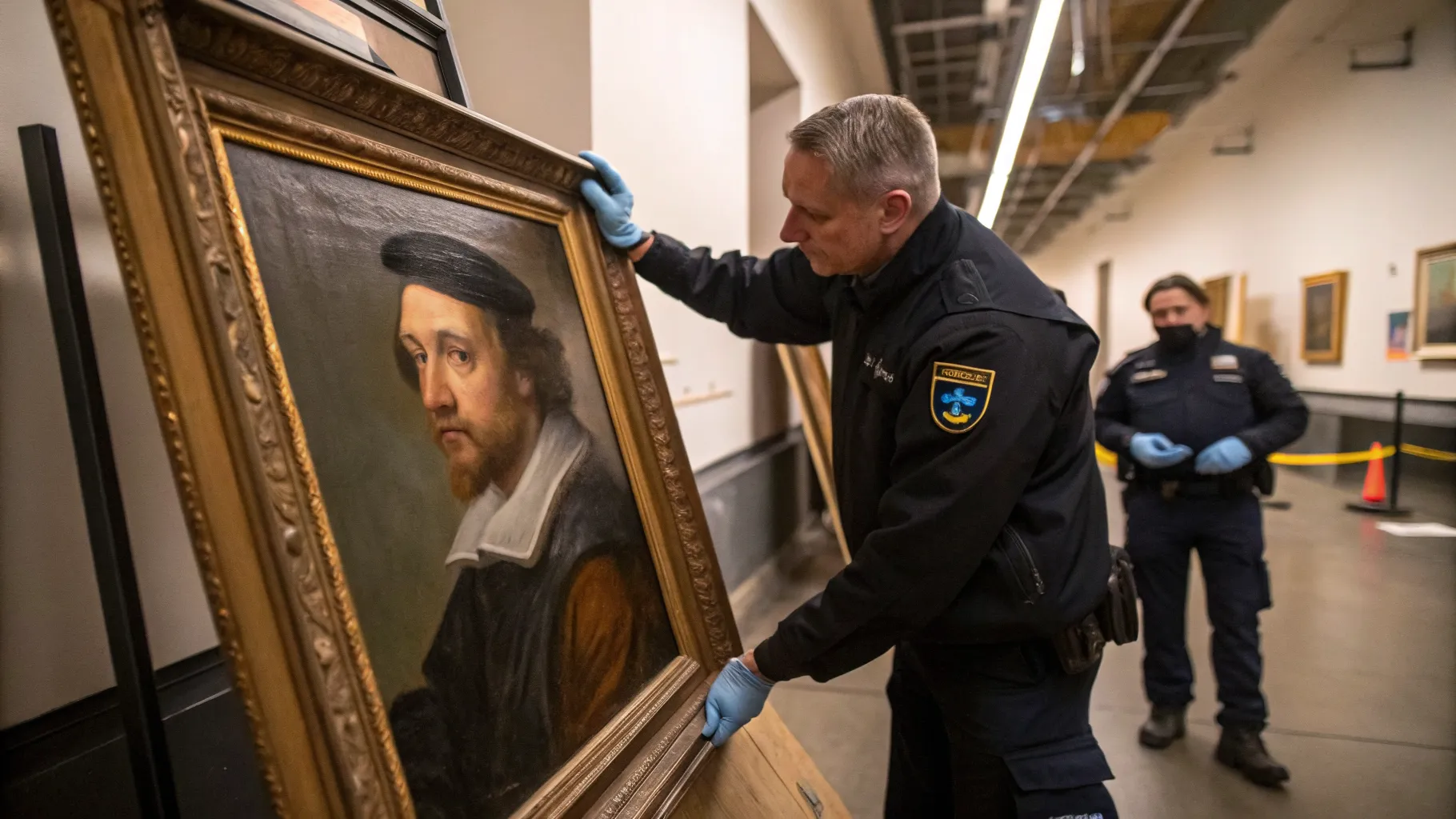
When authorities conduct a police impoundment, especially concerning valuable items like artworks, a rigorous legal process immediately begins. This involves meticulous documentation of the seizure, establishment of chain of custody, and initial assessments of the item's provenance. The primary goal is to ensure that any confiscated property, particularly a potential rare painting auction candidate, is handled according to strict legal protocols to prevent future disputes over ownership or legality. This initial phase is critical for the legitimacy of any subsequent sale.
Initial Impoundment and Custody
Upon seizure, an artwork is typically transported to a secure facility where it is cataloged, photographed, and carefully stored under controlled environmental conditions to prevent damage or degradation. This step is paramount, as the integrity of the artwork directly influences its value in a future public auction. Law enforcement agencies often collaborate with art experts to ensure proper handling and preliminary identification. The custody process is designed to be fully traceable, creating a clear record of the artwork's journey from the point of seizure by police impoundment through to its ultimate disposition.
Authentication and Valuation Challenges
Before a seized artwork can be listed for a rare painting auction, its authenticity and market value must be rigorously established. This often involves engaging independent art historians, conservators, and appraisers who specialize in the specific period or artist. Challenges can arise from incomplete provenance, lack of documentation, or even disputed attributions. The valuation process is complex, considering not only the intrinsic artistic merit but also market trends, condition, and historical significance. An accurate valuation is crucial for setting reserve prices and attracting serious buyers to the subsequent public auction, impacting the overall success for the art market.
The Auction Process: From Impound to Gavel
Once legal hurdles are cleared and the artwork is authenticated and valued, it is prepared for sale. The decision to proceed with a rare painting auction is usually made by a court or prosecuting authority, often with the aim of recouping funds from illicit activities or settling debts. This transition from impounded property to an auctioned asset involves several logistical and strategic considerations, all aimed at maximizing the return while maintaining legal integrity and transparency for the art market.
Preparing for Public Sale
Preparation for a public auction involves more than just setting a price. It includes detailed condition reports, restoration if necessary, and extensive marketing to reach the broadest possible audience of potential buyers. High-resolution images and comprehensive catalogues are developed, highlighting the artwork's history, significance, and its unique story, especially given its origin through police impoundment. This marketing effort is vital for generating interest and excitement around a rare painting auction, ensuring that collectors and investors are fully informed and eager to participate.
Attracting Bidders and Market Dynamics
The success of an auction hinges on attracting competitive bidding. Auction houses, often selected for their expertise in handling high-value items, employ various strategies to draw in both established collectors and new investors. The unique narrative of a seized artwork can sometimes add to its allure, creating a buzz within the art market. Factors such as current market trends, economic conditions, and the rarity of the specific piece all play a role in how a rare painting auction performs. Transparency in the auction process is key to building trust and encouraging robust participation, ensuring a fair outcome for all involved.
Impact on the Global Art Market
The entry of seized artwork into the art market through a public auction can have several significant impacts. On one hand, it can introduce previously unavailable pieces, diversifying the market and potentially satisfying demand for particular artists or periods. On the other hand, a sudden influx of certain types of art, or controversies surrounding a specific police impoundment, could influence prices and market perceptions. These auctions also highlight the ongoing efforts to combat art crime and illicit trafficking, reinforcing the importance of due diligence for collectors. The transparency of such sales often sets new benchmarks for provenance research and ethical acquisition within the broader art market.
Navigating Ethical and Ownership Complexities
Beyond the immediate financial transactions, auctions stemming from police impoundment frequently raise complex ethical and ownership questions. Issues of restitution, particularly for artworks with problematic provenances or those linked to historical injustices, are paramount. Buyers must perform extensive due diligence to ensure clear title and avoid future legal challenges. The legal frameworks governing the sale of a seized artwork are constantly evolving, reflecting a growing global commitment to ethical art trade. Participants in a rare painting auction must be aware of these nuances to ensure their acquisitions are not only beautiful but also morally and legally sound.
Actionable Advice for Potential Buyers and Sellers
Perform Thorough Due Diligence: Before participating in any rare painting auction, especially one involving a seized artwork, thoroughly investigate its provenance, legal history, and condition. Consult with art lawyers and experts.
Understand Legal Frameworks: Familiarize yourself with the laws governing police impoundment and the sale of confiscated assets in the relevant jurisdiction. This can vary significantly and affect future ownership.
Engage Reputable Professionals: Work with established auction houses, art appraisers, and legal counsel who have experience with complex art transactions. Their expertise is invaluable in navigating the art market.
Assess Market Value Accurately: Get independent valuations to ensure the asking or bidding price reflects the true market value. Do not rely solely on the auction house's estimate for a public auction.
Monitor Related Cases: Stay informed about ongoing legal cases or controversies surrounding the artwork or similar items, as these can influence its value and future salability within the art market.
Frequently Asked Questions
What happens to a seized artwork after police impoundment?
After a police impoundment, a seized artwork undergoes a meticulous legal process including documentation, secure storage, authentication, and valuation. If deemed eligible, it may then be prepared for a rare painting auction to dispose of the asset legally and transparently.
Who typically benefits financially from a rare painting auction of seized artwork?
The proceeds from a rare painting auction of seized artwork typically go to the government or a specific victim's fund, depending on the nature of the crime that led to the police impoundment. These funds are often used to compensate victims or support law enforcement operations, contributing positively to the art market's regulatory aspects.
Are there risks associated with buying artwork from a public auction of seized items?
While often legitimate, buying from a public auction of seized items can carry risks, particularly if the provenance is not fully clear or if there are ongoing legal challenges. Thorough due diligence, including legal consultation, is crucial to ensure clear title and avoid future disputes over the artwork.
How does police impoundment affect the value of a seized artwork in the art market?
Police impoundment can have a varied impact on a seized artwork's value. While the legal process ensures legitimacy, some buyers might be cautious due to its history. Conversely, the unique story can sometimes increase its allure and lead to competitive bidding at a rare painting auction, especially if the piece is historically significant or exceptionally rare.
References
- International Association of Art Crime Investigators (IAACI) Reports on Seized Cultural Property.
- Journal of Art Market Studies: Legal Aspects of Confiscated Art.
- Leading Auction House Guidelines on Consignment and Provenance Research.
- Government Publications on Asset Forfeiture and Disposition.
- Academic Studies on Ethics in Art Acquisition and Restitution.
Authored by MyTrendSpot team