Unlock Value: Navigating Police Impound Truck Auctions on Sale
Fast Facts:
- Significant savings on vehicles.
- Growing trend in affordable transportation for businesses and individuals.
Discovering Opportunities at Police Impound Truck Auctions
For individuals and businesses seeking cost-effective vehicle solutions, participating in police impound truck auctions on sale presents a unique and often overlooked opportunity. These auctions provide access to a diverse range of vehicles, from work trucks to SUVs, typically at prices significantly below market value. Understanding the process, preparing thoroughly, and knowing what to look for are crucial steps to successfully acquiring valuable assets through impound truck auctions.
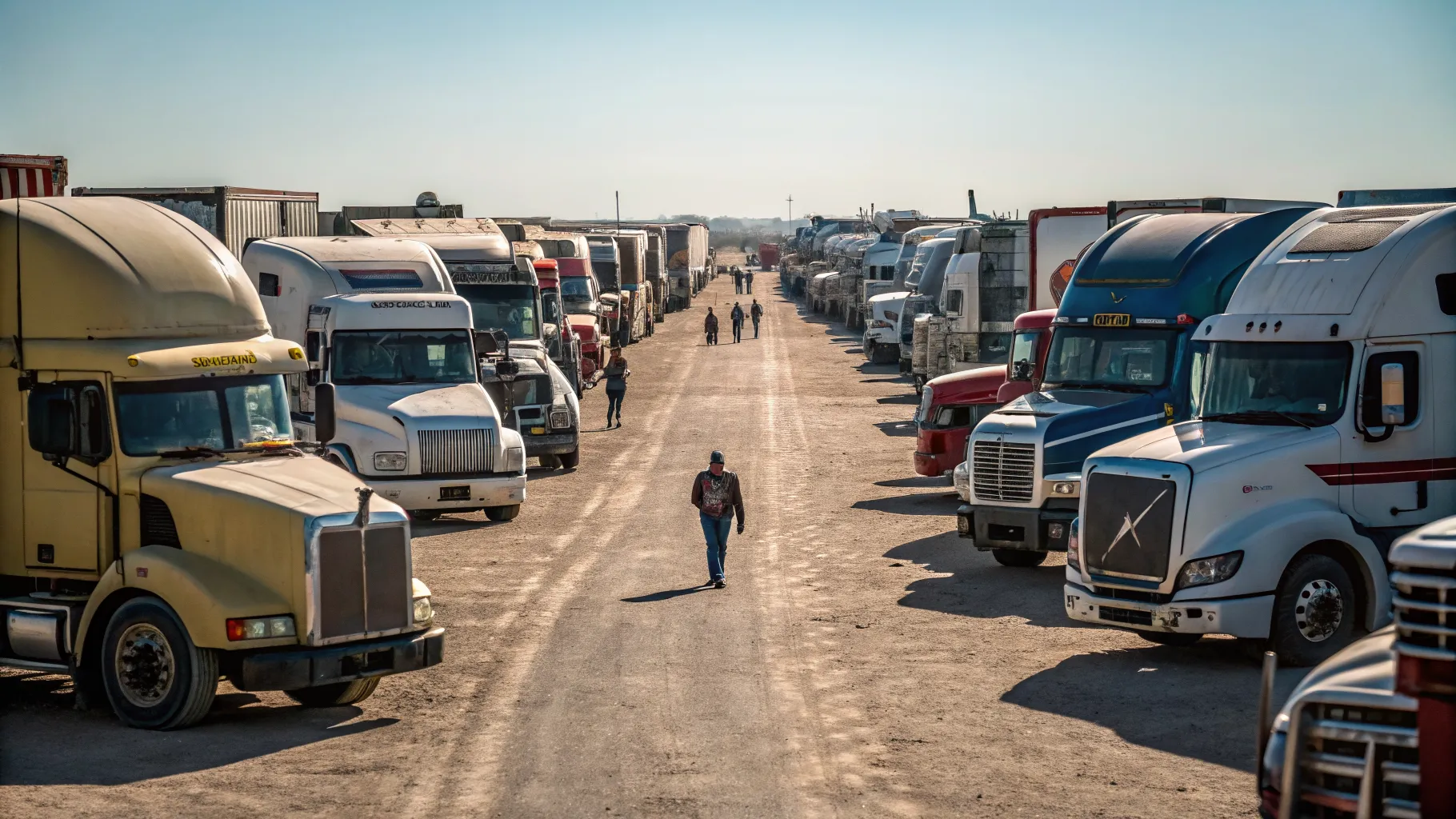
What Are Police Impound Truck Auctions?
Police impound truck auctions are public sales of vehicles that have been seized due to various legal infractions, abandonment, or non-payment of fines. These vehicles are typically held by law enforcement agencies or municipal impound lots and are sold to recover towing, storage, and administrative costs. The inventory at these seized vehicle auctions can be incredibly diverse, ranging from standard pickups and vans to specialized commercial trucks. Unlike traditional dealerships, the vehicles are sold "as is, where is," making due diligence a critical component of the buying process.
Navigating the Auction Landscape for Government Truck Sales
Finding legitimate government truck sales requires knowing where to look. Many police departments and county sheriffs' offices host their own public auctions, often advertised on their official websites or through local government portals. Additionally, third-party auction houses often partner with these agencies to facilitate the sales, providing a more structured and accessible platform for bidders. Websites specializing in government and surplus auctions are excellent resources for locating upcoming public auto auctions. It's essential to verify the source of the auction and ensure it's a reputable entity before committing time and resources.
Key Considerations Before Bidding
Before placing a bid on any vehicle at police impound truck auctions on sale, several factors warrant close attention. First, always inspect the vehicle if possible. While cosmetic damage is common, mechanical issues can quickly negate any potential savings. Bring a mechanic if you're not comfortable evaluating vehicles yourself. Second, research the vehicle's history using its VIN. Services like CarFax or AutoCheck can reveal accident history, previous owners, and salvage titles. Third, understand the auction terms and conditions. These can vary significantly, including payment methods, removal deadlines, and any buyer's premiums or taxes. Failing to grasp these details can lead to unexpected costs or forfeiture of your winning bid.
The Bidding Process: Strategies for Success
Participating in impound truck auctions requires more than just showing up and raising a paddle. Develop a clear bidding strategy based on your budget and the estimated value of the vehicle. Set a maximum bid for each vehicle of interest and stick to it, avoiding emotional bidding wars. Observe the pace of the auction; some move quickly, while others allow more time for consideration. Online seized vehicle auctions offer a different dynamic, often with extended bidding periods and proxy bidding options. Familiarize yourself with the specific platform's rules if bidding online. Successful bidders are patient, informed, and disciplined, understanding that opportunities at police impound truck auctions arise frequently.
Post-Auction Logistics: Securing Your Auction Vehicles
Once you've successfully won a bid at public auto auctions, the next steps involve prompt payment and vehicle retrieval. Most auctions require full payment within a short timeframe, often 24-48 hours, usually in cash, cashier's check, or wire transfer. Be prepared for this. Transporting the vehicle is another crucial consideration. Many auction vehicles may not be immediately drivable due to mechanical issues, expired registration, or flat tires, necessitating towing. Factor in these potential costs when calculating your overall budget. Completing the necessary paperwork, including title transfer and registration, is vital for legal ownership and operation. Always ensure you receive a clear title or appropriate documentation from the auctioneer.
Maximizing Value: The Potential of Salvage Trucks
Among the offerings at police impound truck auctions on sale, you might encounter salvage trucks. These vehicles, often with significant damage, can represent substantial value for those with the skills or resources for repair. For mechanics, body shops, or individuals seeking parts, a salvage truck can be an excellent investment. However, buying a salvage vehicle comes with additional considerations. Rebuilding a salvage title vehicle often requires specific inspections and certifications before it can be legally registered and driven. Understand the full scope of repairs and regulatory requirements before diving into a salvage purchase to ensure it truly offers a cost-effective solution.
Frequently Asked Questions
Are police impound truck auctions reliable for finding good deals?
Yes, they can be highly reliable for finding good deals, often at prices significantly below retail. However, reliability depends heavily on thorough pre-inspection, understanding auction terms, and conducting due diligence on the vehicle's history.
How often do impound truck auctions take place?
The frequency varies by location and agency. Larger metropolitan areas may have monthly or even weekly auctions, while smaller towns might have them quarterly or semi-annually. Checking local government and police websites, as well as dedicated auction platforms, is the best way to stay informed.
Can I inspect vehicles before bidding at seized vehicle auctions?
Most reputable seized vehicle auctions offer specific viewing or inspection days prior to the auction. It is highly recommended to attend these sessions, as vehicles are typically sold "as-is," with no warranties or guarantees.
What payment methods are accepted at government truck sales?
Common payment methods include cash, cashier's checks, and wire transfers. Personal checks are rarely accepted. It is crucial to confirm the accepted payment methods with the specific auction house beforehand, as policies can vary widely.
References
- Local government auction sites.
- Official police department and sheriff's office websites.
- Specialized online vehicle auction platforms.
- Automotive history report services.
Authored by MyTrendSpot team