Police Impound Trucks: Understanding Vehicle Seizure Laws
Facts:
- Police impound trucks for various legal infractions.
- Trends show an increase in vehicle impoundment for traffic and safety violations.
Understanding Police Impoundment of Trucks
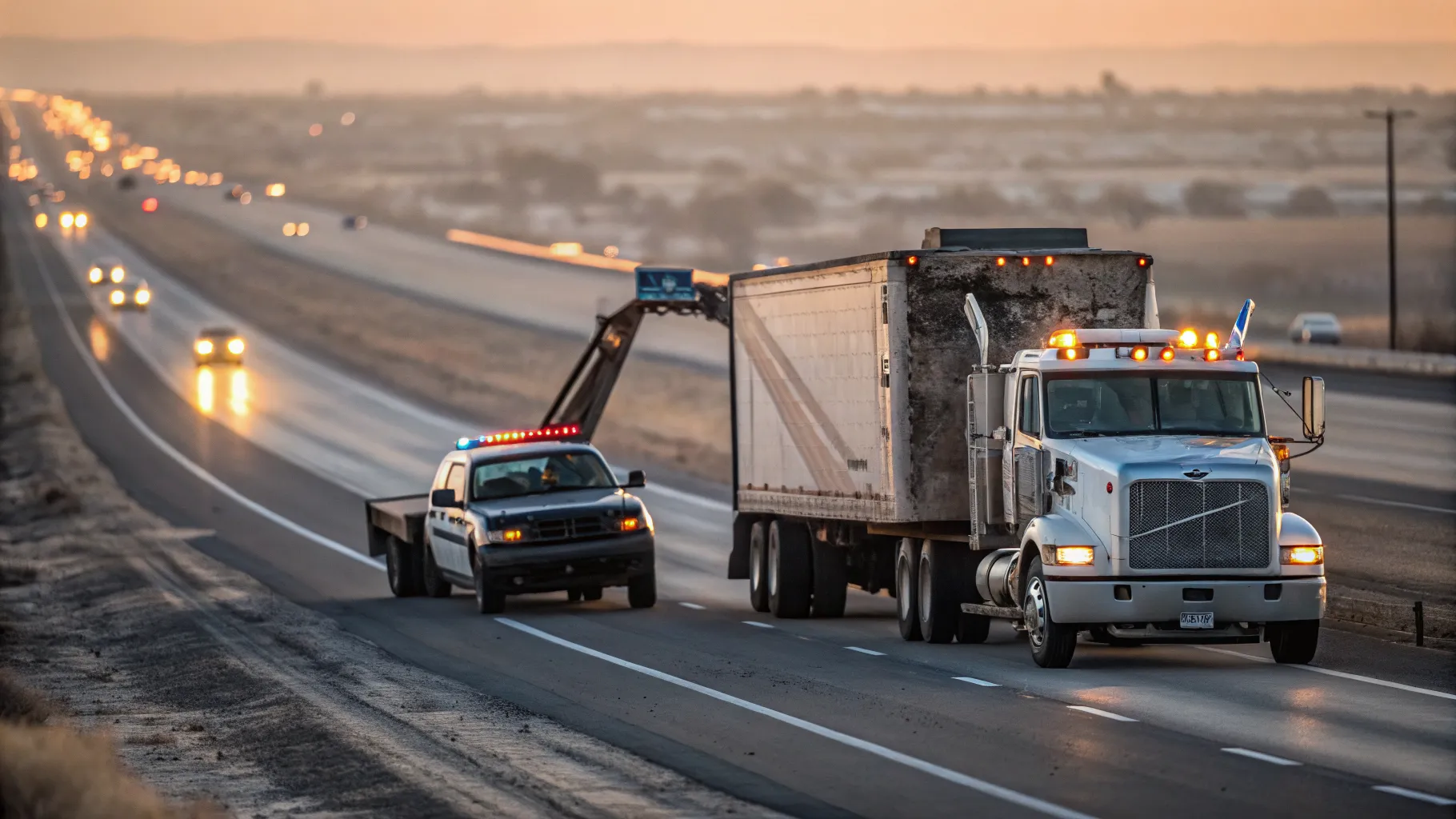
When law enforcement takes possession of a vehicle, particularly large commercial or personal trucks, it's known as a vehicle impoundment. The reasons why police impound trucks can range from minor traffic infractions to serious criminal investigations, and understanding this process is crucial for any truck owner or operator. This initial phase involves the physical removal of the truck from its current location, often via towing, and its transportation to a designated impound lot or police holding facility. The implications of a truck seizure can be significant, involving not only the loss of access to the vehicle but also accruing fees and potential legal challenges.
Common Reasons for Truck Impoundment
The circumstances leading to police impound trucks are diverse, but they generally fall under categories related to safety, legal compliance, or criminal activity. Each reason carries specific legal ramifications and procedural steps that law enforcement must follow. Understanding these common triggers can help truck owners avoid potential impoundment situations and better prepare if their vehicle is seized.
Traffic Violations and Accidents
One of the most frequent reasons for a truck seizure is severe or repeat traffic violations. This can include driving with a suspended or revoked license, operating an unregistered vehicle, or being involved in an accident where the truck is deemed unsafe to drive or is needed for evidence. In such cases, the police have the authority under various impoundment laws to remove the vehicle from the roadway to ensure public safety and to process the incident effectively. Factors such as reckless driving, street racing, or driving under the influence (DUI) also frequently result in immediate impoundment, as these situations pose direct threats to other road users.
Criminal Investigations
Beyond traffic violations, police impound trucks when they are suspected of being involved in criminal activity or are needed as evidence in a crime. This might include trucks used in robberies, drug trafficking, or other felonies. The truck itself can hold critical forensic evidence, from fingerprints to contraband, making its secure storage at an impound lot essential for the investigation. In these scenarios, the truck may be held for an extended period, pending the outcome of the investigation or court proceedings, and its release can be subject to court orders rather than just payment of fees.
Unregistered or Uninsured Vehicles
Operating a truck that is unregistered or lacks proper insurance coverage is a serious offense that almost invariably leads to a vehicle impoundment. Most jurisdictions require all vehicles on public roads to be properly registered and insured. Without these, the vehicle is not only illegal but also poses a significant risk to other drivers in the event of an accident. Police will often conduct routine stops or checks that reveal these deficiencies, resulting in the immediate truck seizure to prevent further unlawful operation and ensure compliance with state and federal regulations.
The Impoundment Process Explained
When police impound trucks, a specific legal and administrative process is initiated. First, the officer determines the grounds for impoundment based on applicable impoundment laws. The vehicle is then typically tagged and a tow truck is called to transport it to a designated impound lot. During this phase, a detailed inventory of the truck's contents might be taken, especially if it's related to a criminal investigation. The truck owner is usually provided with a notice of impoundment, which includes information about the reason for seizure, the impound lot location, and the steps required for release. This process is designed to be thorough, documenting every stage of the truck seizure to ensure legal compliance and accountability.
Navigating Recovery: Steps to Reclaim Your Truck
Reclaiming an impounded truck can be a complex and often costly process, but understanding the necessary steps can streamline the experience. It involves a series of administrative and financial obligations that must be met to secure the release of your vehicle. Ignoring the situation will only lead to escalating costs and potential forfeiture of the truck.
- Contacting the Impound Lot: The first crucial step is to contact the impound lot where your truck has been taken. The police officer should provide you with this information. You will need to confirm the truck's location, the exact towing and storage fees that have accumulated, and their hours of operation for vehicle release. Some lots may require an appointment, so calling ahead is essential.
- Required Documentation: To prove ownership and legal standing, you will typically need to present several documents. This usually includes valid photo identification (driver's license), proof of ownership (vehicle title or current registration), and sometimes proof of current insurance. If your driver's license was suspended or revoked, you might need a licensed driver to accompany you to drive the truck off the lot.
- Paying Towing and Storage Fees: This is often the largest hurdle in recovering an impounded truck. Towing and storage fees accrue daily, so it's best to act quickly. These fees can vary significantly based on the tow company, the size of the truck, and the duration it has been stored. You must be prepared to pay these fees in full, often only with cash or a credit card, before the vehicle will be released. Additionally, there might be administrative fees charged by the police department itself.
Preventing Truck Impoundment: Best Practices
Avoiding a vehicle impoundment is always preferable to dealing with the recovery process. Proactive measures and adherence to legal requirements are the most effective strategies to keep your truck from being seized by authorities. By consistently following these best practices, truck owners can significantly reduce their risk.
- Maintain Valid Registration and Insurance: Ensure your truck's registration is current and your insurance policy is active and up-to-date. Keep proof of both readily accessible within the vehicle. Regular checks on renewal dates can prevent lapses.
- Adhere to Traffic Laws: Strict adherence to all traffic laws, speed limits, and road regulations is paramount. Avoid behaviors like reckless driving, driving under the influence, or operating a vehicle that is clearly unsafe.
- Keep Documentation Accessible: Always have your driver's license, vehicle registration, and proof of insurance in the truck and easily accessible. This speeds up any interaction with law enforcement and helps avoid potential delays or misunderstandings that could lead to a truck seizure.
- Address Mechanical Issues Promptly: Ensure your truck is always in good working order. Vehicles deemed unsafe or mechanically unsound can be impounded for public safety reasons. Regular maintenance can prevent this.
Frequently Asked Questions
Why do police impound trucks for minor infractions?
Even for minor infractions, police impound trucks if the driver's license is suspended, the vehicle is unregistered, or insurance is invalid. These are often considered serious enough to warrant a vehicle impoundment to prevent further illegal operation and ensure public safety under various impoundment laws.
How long can police hold an impounded truck?
The duration police can hold a truck seizure varies by jurisdiction and the reason for impoundment. For traffic violations, it might be a few days after fees are paid. If the truck is evidence in a criminal case, it could be held for months or even years, subject to court orders.
Can someone else pick up my impounded truck?
Yes, often another person can pick up your recovering an impounded truck, but they will need a notarized letter of authorization from the owner, their own valid ID, and often proof of their relationship to the owner. They must also meet all the requirements for documentation and payment of towing and storage fees.
What happens if I don't claim my impounded truck?
If you fail to claim your vehicle impoundment within a certain period (e.g., 30-60 days, depending on local regulations), the impound lot or police department can begin the process of selling the truck at auction or disposing of it to cover the accumulated towing and storage fees. You may also still be liable for any outstanding fees.
References
- State Department of Motor Vehicles Regulations
- Local Municipal Codes and Ordinances
- Police Department General Orders on Vehicle Seizure
Authored by MyTrendSpot team