Unlock Your Collectible's True Potential: A Comprehensive Guide to Resale Value
Facts:
- Rare items often see 200%+ growth.
- Growing interest in investment collectibles for financial diversification.
Navigating the Modern Resale Value Collectible Guide Landscape
Understanding the intricate world of collectible value is paramount for both seasoned collectors and newcomers. This comprehensive guide delves into the nuances that dictate an item's worth, providing essential insights to help you navigate the ever-evolving resale market. From vintage toys to rare art, the factors influencing an item's potential for profit are complex, requiring careful consideration and strategic planning to maximize returns.
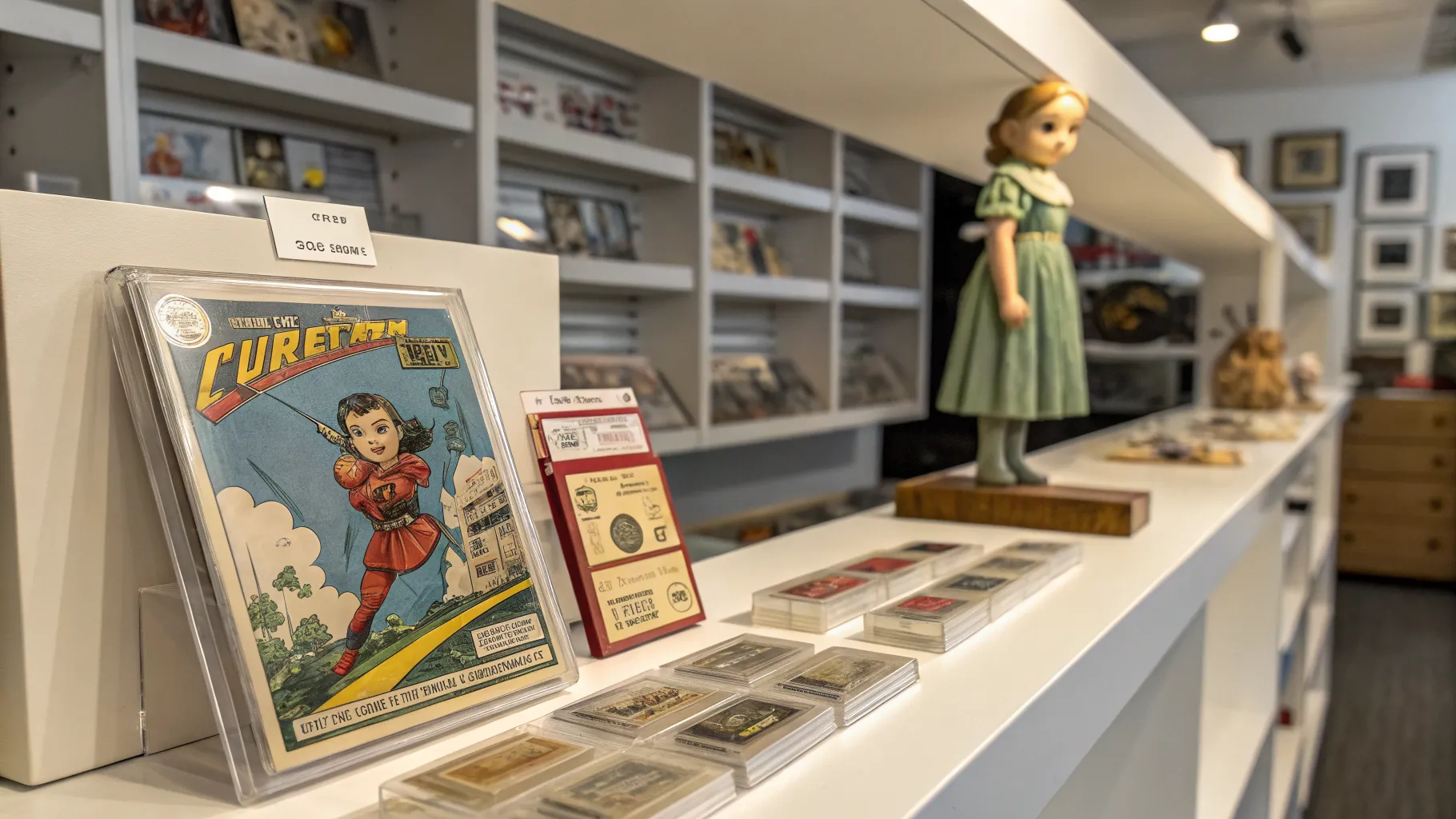
Understanding the Core Drivers of Collectible Value
The inherent collectible value of an item is not solely determined by its age or scarcity, but rather a multifaceted combination of factors. Rarity is undoubtedly crucial; an item produced in limited quantities naturally commands a higher price. However, condition plays an equally vital role. A pristine, mint-condition collectible, especially if it retains its original packaging, will almost always fetch significantly more than a damaged or incomplete counterpart. Provenance, the documented history of ownership, can also drastically increase an item's desirability, particularly for historical artifacts or items linked to famous personalities. Furthermore, market demand, driven by current collectible trends and cultural relevance, is a dynamic force that can elevate or diminish an item's worth rapidly. Collectors must continuously monitor these elements to accurately assess an item's potential in the resale market.
Key Strategies for Collectible Appraisal and Authentication
Accurate collectible appraisal is a critical step before entering the resale market. This process often involves consulting with certified appraisers who specialize in specific categories such as sports memorabilia, antique furniture, or comic books. Professional appraisers possess the expertise to evaluate an item's condition, verify its authenticity, and research comparable sales data to establish a fair market value. Authentication is another non-negotiable step, especially for high-value items where counterfeits are prevalent. This may involve scientific analysis, detailed examination of manufacturing marks, or cross-referencing with established databases. Investing in proper appraisal and authentication provides confidence to both the seller and potential buyers, ensuring a smooth transaction and solidifying the item's perceived collectible value.
Navigating the Resale Market: Platforms and Best Practices
The resale market for collectibles is diverse, offering various avenues for selling your prized possessions. Online marketplaces like eBay, specialized auction houses (both physical and online), and dedicated collector forums each present unique advantages and disadvantages. For high-value investment collectibles, reputable auction houses often provide broader exposure and professional handling, albeit with higher commission rates. For more common items, online platforms offer accessibility and a vast potential buyer pool. Regardless of the platform, best practices include clear, detailed photography from multiple angles, honest descriptions of condition, and transparent communication with potential buyers. Understanding the fees associated with each platform is also crucial to accurately calculate your net return and ensure profitability from your collectible value.
Identifying Emerging Collectible Trends for Future Investment
Staying ahead of collectible trends is key for maximizing long-term returns on investment collectibles. The market is constantly evolving, with new categories gaining popularity while others wane. For instance, in recent years, vintage video games, sealed trading card packs, and certain contemporary art pieces have seen significant surges in collectible value. Factors influencing these trends include nostalgia cycles, cultural shifts, technological advancements (e.g., NFTs impacting digital art), and media exposure. Subscribing to industry newsletters, participating in collector communities, and monitoring auction results can provide valuable insights into what's gaining traction. Proactive research and a keen eye for nascent trends can position collectors to acquire items with high growth potential before they become mainstream and more expensive.
Protecting Your Investment Collectibles: Storage and Preservation
Preserving the condition of your investment collectibles is paramount to maintaining their collectible value. Proper storage techniques are not merely about preventing damage but also about safeguarding against environmental degradation. For instance, paper collectibles like comic books or trading cards require acid-free bags and boards, stored in temperature and humidity-controlled environments away from direct sunlight. Figurines and other delicate items should be kept in display cases that protect against dust, UV light, and accidental falls. Regular cleaning with appropriate materials, gentle handling, and avoiding direct exposure to harmful elements are all crucial. Any degradation in condition, even minor, can significantly impact an item's marketability and its eventual price in the resale market. A small investment in preservation can yield substantial returns when it comes time for collectible appraisal.
Frequently Asked Questions
How do I determine the true collectible value of an item?
Determining true collectible value involves a combination of research, condition assessment, and market analysis. Start by researching comparable sales of similar items, paying close attention to condition and rarity. For high-value items, professional collectible appraisal from a certified expert is highly recommended to get an accurate valuation and understand its standing in the resale market.
Are all old items considered investment collectibles?
No, not all old items are considered investment collectibles. While age can contribute to rarity, true collectible value is driven by factors such as demand, cultural significance, scarcity, and condition. Many old items have little to no secondary market value, while relatively newer items with high demand and limited supply can be significant investment collectibles.
What are the most effective platforms for selling items in the resale market?
The most effective platforms for the resale market depend on the type and value of the collectible. For unique, high-value items, specialized auction houses (online or physical) are often best. For more common items or those with a broad appeal, online marketplaces like eBay or dedicated collector websites can reach a large audience. Always compare commission fees and audience reach.
How important is condition for collectible appraisal?
Condition is critically important for collectible appraisal and significantly impacts an item's collectible value. Even minor imperfections like fading, tears, or missing parts can drastically reduce an item's worth. Mint condition items, especially those with original packaging or certificates of authenticity, command premium prices in the resale market.
References
- The Art Market 2023 Report, Art Basel & UBS
- Hobby Database Collectibles Price Guides
- Various specialized auction house archives
- Journal of Cultural Economics studies on collectible markets
- Collector's Weekly online resources
Authored by MyTrendSpot team