Nasal Polyps Diagnosis and Treatment: A Clinical Review of Diagnostic Protocols and Management Strategies
Nasal polyps are clinical manifestations of chronic inflammation within the nasal cavity and paranasal sinuses, often leading to persistent symptoms such as a blocked nose, loss of smell, and facial pressure 5. These benign, noncancerous growths typically develop from the mucosa and can significantly obstruct airflow, necessitating a structured approach to diagnosis and treatment 1. While these growths are not malignant, they represent a chronic inflammatory burden that frequently requires long term management to maintain respiratory function and sensory perception 18.
Pathophysiology and Classification of Nasal Polyps
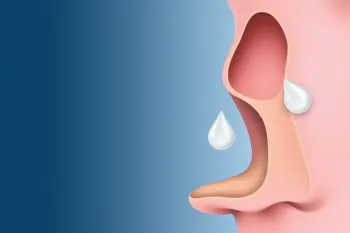
Nasal polyps are characterized as soft, painless, and non-neoplastic growths that arise from the mucous membrane lining the nasal passages or sinuses 13. They often resemble teardrops or peeled grapes and can appear in shades of pink, yellow, or gray 22. Data indicates that these polyps affect approximately 4 percent of the general population, though the prevalence increases to between 7 percent and 12 percent among individuals already diagnosed with chronic rhinosinusitis 33. The condition is twice as common in men as in women, with most clinical presentations occurring between the ages of 30 and 40 22.
Clinicians generally categorize nasal polyps into two major subtypes based on their origin and characteristics. Bilateral ethmoidal polyps are the most frequent, typically appearing as multiple growths in both nostrils and occurring predominantly in adults with a history of allergies or asthma 13. In contrast, antrochoanal polyps are usually solitary and unilateral, originating in the maxillary sinus and extending toward the back of the throat; these are more commonly diagnosed in children and adolescents 13. Research suggests that the vast majority of these cases, particularly in Western nations, are driven by a type 2 inflammatory response characterized by eosinophilia and specific cytokine activity 11.
Clinical Manifestations and Diagnostic Procedures
The diagnosis of nasal polyps is established through a combination of patient history and objective physical examinations. For a formal diagnosis of chronic rhinosinusitis with nasal polyps (CRSwNP), symptoms must persist for at least 12 weeks 3. Patients frequently report nasal obstruction, postnasal drip, reduced olfaction (hyposmia) or a complete loss of smell (anosmia), and facial pain or pressure 4. In severe cases, large or multiple polyps can lead to sleep disturbances or obstructive sleep apnea 29. Accurate diagnosis is critical because symptoms often overlap with allergic rhinitis, migraines, and recurrent acute infections
Diagnostic standards involve the following steps to confirm the presence and extent of the disease:
- Anterior Rhinoscopy: A basic physical exam using a nasal speculum to view the front of the nasal cavity 12.
- Nasal Endoscopy: A procedure where a thin, flexible tube with a camera is inserted into the nose to visualize polyps deep within the sinuses 5.
- Computed Tomography (CT) Scans: The gold standard for assessing the extent of sinus involvement and planning for surgical intervention 12.
- Allergy Testing: Used to identify underlying triggers such as environmental allergens that may exacerbate inflammation 29.
Medical Management and Pharmacological Interventions
Medical management serves as the primary line of defense against nasal polyps, focusing on reducing inflammation and shrinking the tissue growths. Intranasal corticosteroid sprays are the standard first line therapy, as they deliver anti-inflammatory medication directly to the affected mucosa 1. For these medications to be effective, daily use is required, as sporadic application does not typically yield significant reductions in polyp size 18. Saline irrigation is also widely recommended to clear mucus, allergens, and debris from the nasal passages, improving the efficacy of topical steroids 18.
When symptoms are severe or recalcitrant to topical treatments, clinicians may utilize systemic interventions. Short courses of oral corticosteroids, such as prednisone, can provide rapid relief by quickly decreasing the inflammatory burden, though their long term use is limited by potential side effects 18. In patients with aspirin exacerbated respiratory disease (AERD), also known as Samter Triad, aspirin desensitization followed by maintenance therapy may be indicated to slow polyp recurrence 13. Clinical guidelines published in 2025 emphasize cautious antibiotic use, recommending watchful waiting for uncomplicated cases rather than empiric antibiotic prescriptions 26.
The Evolving Role of Biologic Therapies
The introduction of biologic agents has significantly altered the treatment landscape for patients with severe CRSwNP who do not respond to conventional medical or surgical care. These medications are human monoclonal antibodies that target specific mediators of type 2 inflammation, such as interleukin 4 (IL-4), IL-5, and IL-13 14. By inhibiting these pathways, biologics can reduce the size of nasal polyps, improve the sense of smell, and decrease the need for systemic steroids or repeat surgeries 20. The selection of a specific biologic agent often depends on a patient's biomarkers, including blood eosinophil counts and total immunoglobulin E (IgE) levels 16.
| Biologic Agent | Approval Year | Target Pathway |
|---|---|---|
| Dupilumab | 2019 | IL-4 and IL-13 receptor alpha |
| Omalizumab | 2020 | Immunoglobulin E (IgE) |
| Mepolizumab | 2021 | Interleukin-5 (IL-5) |
| Tezepelumab | 2025 | Thymic stromal lymphopoietin (TSLP) |
As of late 2025, tezepelumab became the fourth biologic approved by regulatory bodies as an add on maintenance treatment for nasal polyps 14. These therapies have demonstrated clinically meaningful improvements in patient reported quality of life scores, specifically within the Sinonasal Outcome Test 22 (SNOT-22) domains of sleep, emotional health, and nasal symptoms 19. However, the high cost of these treatments and the necessity for long term administration remain significant friction points in widespread clinical adoption 4.
Surgical Indications and Functional Procedures
Surgical intervention is typically considered when medical therapy fails to provide adequate symptom control or when polyps completely obstruct the sinuses 33. Functional Endoscopic Sinus Surgery (FESS) is the primary surgical technique used today 30. This procedure involves using an endoscope to guide the removal of polyps and the opening of sinus passages to restore natural drainage and ventilation 16. Unlike older, more invasive methods, FESS focuses on preserving the healthy structures of the nose while addressing the diseased tissue 30.
While FESS is effective at restoring sinus drainage, it is not considered a permanent cure for nasal polyps. The surgery addresses the physical obstruction but does not eliminate the underlying chronic inflammation that causes the growths to form 18. Risks associated with sinus surgery include excessive bleeding, infection, and potential injury to surrounding structures, such as a septal perforation 17. Because of these risks, surgery is viewed as a component of a broader management plan that must include ongoing medical therapy to prevent the return of the growths 5.
Long Term Monitoring and Recurrence Risks
A major challenge in the management of nasal polyps is the high rate of recurrence following both medical and surgical interventions. Statistics indicate that polyps return in approximately 10 percent to 33 percent of patients after surgical removal 33. For patients specifically exhibiting type 2 inflammation, recurrence rates can be as high as 38 percent to 60 percent within 12 months of follow up 16. This highlights the necessity for a multidisciplinary approach involving otolaryngologists, allergists, and sometimes pulmonologists, especially when comorbidities like asthma are present 23.
Post operative care is vital for maintaining the results of surgery and delaying the regrowth of polyps. This management typically includes regular saline rinses, continued use of topical corticosteroids, and periodic endoscopic evaluations by an ENT specialist to monitor for early signs of inflammation 35. Lifestyle adjustments, such as using a humidifier and avoiding environmental irritants or allergens, can support overall nasal health but are insufficient on their own to shrink established polyps 27. Long term adherence to the prescribed medical regimen is the most significant factor in achieving durable disease control 30.
Sources
- Harvard Health Publishing
- World Journal of Otorhinolaryngology (ASEAN Delphi)
- StatPearls (NCBI Bookshelf)
- Biuletyn Głównej Biblioteki Lekarskiej (Reference Global)
- Acibadem Hospitals Group
- Journal of Education, Health and Sport
- Frontiers in Allergy (December 2025)
- European Archives of Oto-Rhino-Laryngology
- World Journal of Otorhinolaryngology (Chinese Guidelines)
- WebMD (Allergy Guide)
- European Journal of Medical Research
- Ubie Health Doctor’s Note (Diagnosis)
- VHTC Health
- AAO-HNS Bulletin (Spring 2026)
- WebMD (Surgery Guide)
- International Journal of Health Science and Technology
- Cleveland Clinic
- SoCal Sinus
- Frontiers in Allergy (May 2026)
- ENT Updates
- Journal of Pioneering Medical Science
- Mayo Wellness
- DOAJ (OverSEA Delphi)
- MDPI Diagnostics
- Journal of Pioneering Medical Sciences (Northern Border University)
- HCPLive (2025 Guidelines)
- Ubie Health Doctor’s Note (Lifestyle)
- Ribera Healthcare Group
- ONUS Robotic Hospitals
- Eurasian Journal of Academic Research
- MedlinePlus
- American Academy of Otolaryngology (ENT Health)
- Mayo Clinic
- Johns Hopkins Medicine
- UpToDate
Authored by MyTrendSpot team