Skin Eczema Flare-Ups: Triggers and Relief Strategies - A Comprehensive Clinical Overview
Understanding What Happens During a Flare-Up
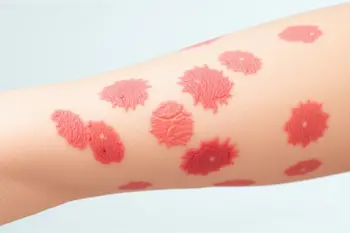
Eczema flare-ups occur when the skin's protective outer layer, already structurally compromised in people with atopic dermatitis, encounters a trigger it cannot tolerate. The barrier in eczema-prone skin loses moisture more rapidly and allows irritants and allergens to penetrate more easily, prompting a disproportionate immune response that produces the visible hallmarks of a flare: red or discolored inflamed patches, intense itching, dry or cracked skin, and in severe episodes, small blisters that may weep fluid or crust over. 1
Research indicates that patients with moderate to severe atopic dermatitis experience an average of nine flares per year, with individual episodes ranging in duration from several days to multiple weeks depending on severity. 1 A critical structural factor underlying this vulnerability is a mutation in the filaggrin gene, a protein essential to forming the skin's protective outer layer. A foundational study published in the Journal of Allergy and Clinical Immunology confirmed that individuals with this mutation are significantly more likely to develop eczema, particularly from early childhood onward. 7
Environmental and Chemical Triggers
Environmental exposures are among the most consistently identified drivers of eczema flare-ups. Harsh soaps, detergents, fragranced personal care products, and household cleaners strip natural oils from the skin and weaken the barrier, directly precipitating inflammatory responses. Mechanical irritants, including scratchy wool and synthetic fabrics, cause friction-based inflammation on already sensitized skin. 5 Seasonal changes are particularly impactful: low humidity during winter months accelerates transepidermal water loss, while summer heat and perspiration create a moist chemical environment that inflames vulnerable skin. 6
Airborne allergens, including pollen, mold spores, dust mites, and pet dander, rank among the most common environmental triggers identified by dermatologists and allergists. Indoor dust mite populations peak in humid conditions, while pollen counts rise in spring and fall, creating predictable seasonal spikes in flare frequency for many patients. Chlorinated water in swimming pools and strong chemical solvents encountered at work or during hobbies are additional irritant exposures that frequently go unrecognized until systematic trigger tracking is undertaken. 5
The Stress-Inflammation Connection
Stress is a well-established eczema trigger, and recent research from Fudan University in Shanghai has clarified the biological mechanism behind this connection. The study identified a specific network of neurons that, under conditions of chronic psychological stress, activate an immune reaction in the skin that directly initiates eczema flare-ups rather than merely worsening pre-existing inflammation. 4 A survey conducted by the National Eczema Society found that many patients living with the condition identified stress as the single biggest trigger of their flares, a perception now supported by mechanistic scientific evidence. 4
The relationship between stress and eczema is compounded by the condition's impact on sleep. Intense nocturnal itching is a hallmark symptom, and the resulting sleep deprivation elevates cortisol levels, which further weakens immune regulation and skin barrier function. This creates a documented feedback loop: eczema generates psychological distress, distress worsens skin inflammation, and worsened inflammation perpetuates further distress. Hormonal fluctuations, including those occurring during menstruation or pregnancy, follow a similar pattern of systemic immune disruption that can precipitate or intensify flares. 3
Behavioral Triggers and the Itch-Scratch Cycle
Several everyday habits are recognized by dermatologists as significant contributors to flare perpetuation. Long, hot showers are among the most common overlooked irritants: hot water strips natural skin oils and damages the already-fragile barrier in eczema-prone individuals. Board-certified dermatologist Papri Sarkar, MD, notes that some patients are especially drawn to hot showers during a flare because the heat temporarily overrides the itch sensation, but the longer-term damage accelerates the inflammatory cycle. 2 Lukewarm showers limited to five to ten minutes, followed by immediate moisturization, represent the clinically recommended alternative. 8
Unconscious scratching during sleep or while distracted, such as watching television, represents another significant perpetuating behavior. Repeated skin trauma from scratching damages the barrier further, sustains the inflammatory state, and increases the risk of secondary bacterial infection, most frequently from Staphylococcus aureus, which colonizes eczema-affected skin at high rates. Inconsistent moisturizing, particularly failing to apply emollients within a few minutes of bathing when skin is most receptive, is another habit that dermatologists identify as consistently undermining management efforts. 2
Evidence-Based Relief and Management Strategies
Fragrance-free moisturizers applied within three minutes of bathing are the cornerstone of both acute relief and long-term flare prevention. This timing capitalizes on post-bathing skin permeability, allowing emollients to seal in residual moisture before transepidermal water loss resumes. Formulations containing colloidal oatmeal, ceramides, or petrolatum are most frequently cited in clinical literature for their barrier-repair and anti-inflammatory properties. Identifying and avoiding personal triggers reduces flare frequency by up to 70 percent, according to evidence reviewed by medical professionals. 6
For acute inflammation, over-the-counter hydrocortisone cream at 1% concentration can be applied safely for up to seven days to manage mild to moderate flares. 6 Prescription-strength topical corticosteroids and calcineurin inhibitors are the primary pharmaceutical interventions for more severe episodes, with calcineurin inhibitors offering a non-steroidal option suitable for sensitive areas such as the face and skin folds. Wet wrap therapy, which involves applying moisturizer or medicated cream to the skin and then covering the area with dampened bandages or clothing, is an evidence-based technique used clinically to calm significant flares by enhancing product absorption and reducing the itch stimulus. 9
Dietary Connections and Allergic Drivers
For a subset of patients, particularly infants and young children, food allergens represent a meaningful internal trigger category. Common culprits identified in clinical practice include dairy, eggs, peanuts, tree nuts, soy, and wheat, all of which can provoke immune responses that manifest as skin inflammation. This relationship is frequently dose-dependent, meaning even minor exposures may be sufficient to initiate a significant flare in sensitized individuals. 10 However, clinicians caution against broad elimination diets without professional guidance, as unnecessary food restriction can cause nutritional deficiencies without confirmed benefit.
An anti-inflammatory dietary pattern that emphasizes fruits, vegetables, whole grains, and omega-3 fatty acids is broadly supported as a complementary strategy, given that eczema is fundamentally an inflammatory condition. Food and symptom tracking, maintained consistently over several weeks, is the most practical method for identifying diet-related patterns, since the delayed nature of immune responses, sometimes 24 to 72 hours after exposure, makes immediate cause-and-effect observation unreliable. A dermatologist or allergist referral for supervised elimination protocols or allergen-specific testing provides the most clinically rigorous pathway for patients who suspect food triggers. 1
When to Seek Clinical Assessment
Self-managed care is appropriate for mild to moderate flares, but several circumstances warrant prompt evaluation by a dermatologist or physician. Signs of secondary skin infection, including increased warmth, yellow crusting, weeping that appears purulent, or systemic fever, require medical assessment and potential antibiotic therapy. Eczema that persistently disrupts sleep, spreads beyond previously affected areas, or fails to respond to standard over-the-counter approaches after seven days of consistent application indicates a need for prescription-level intervention. 3
Phototherapy, in which controlled doses of ultraviolet light are administered under medical supervision, is an established treatment option for moderate to severe atopic dermatitis that has not responded adequately to topical treatments. 9 Newer biologic therapies targeting specific immune pathways involved in eczema inflammation have expanded the treatment landscape for adults with severe, refractory disease. Patients with darker skin tones face a particular diagnostic challenge, as eczema in individuals of African descent may present as brown, gray, or hypopigmented patches rather than classic redness, a presentation that is frequently misdiagnosed and leads to delayed treatment and worsened outcomes. 8
Sources
- Cleveland Clinic - health.clevelandclinic.org/managing-eczema-flare-ups
- Healthline - healthline.com/health/ask-the-expert-whats-making-my-eczema-worse
- Acibadem International - acibademinternational.com/health-library/eczema-symptoms-triggers-and-skin-barrier-care
- Medical News Today - medicalnewstoday.com/articles/not-just-in-your-head-heres-how-stress-causes-eczema-flare-ups
- ConsumerSearch - consumersearch.com/health-beauty/common-triggers-make-eczema-flare-ups
- Doctronic - doctronic.ai/blog/how-to-manage-eczema-flares-at-home
- Nella Derm - nelladerm.com/eczema-causes-latest-research-breakthrough-explained
- Health and Fitness Authority - healthandfitness.health/blog/eczema-tips
- National Eczema Association - nationaleczema.org/eczema-treatment/wet-wrap-therapy
- Cure Allergy Clinic - cureallergyclinic.com/common-allergies-that-make-eczema-worse
Authored by MyTrendSpot team