Anaphylaxis and Food Allergies: Recognition and First Aid Protocols
Anaphylaxis is a rapid-onset, potentially life-threatening systemic hypersensitivity reaction that demands immediate recognition and decisive first aid to prevent fatal outcomes 9. In the United States alone, food allergies represent the leading cause of severe, life-threatening allergic reactions outside of a hospital setting 2. When an individual is exposed to a food allergen, the immune system can misidentify harmless proteins as dangerous invaders, triggering a rapid release of chemical mediators that narrow the airways and drop blood pressure 21. Understanding the exact medical protocols for recognizing these symptoms and administering emergency care is a critical skill for families, educators, and community members alike 13.
Understanding the Mechanics of Food-Induced Anaphylaxis
An allergic reaction occurs when the body's immune system reacts inappropriately to a trigger substance, releasing histamines and other chemicals from mast cells into the bloodstream 11 21. Anaphylaxis is the most extreme form of this immune response, capable of progressing from initial exposure to full cardiovascular collapse within seconds or minutes 18. Globally, the prevalence of anaphylaxis is rising, with estimated lifetime rates ranging from 0.3% to 5.1% of the population 9. While fatal outcomes remain relatively low when treated promptly, delays in administering first-line medication remain a major factor in preventable deaths 2 9.
Triggers for this severe systemic reaction vary significantly by age and geographic region. In children, food is the primary catalyst for anaphylactic emergencies 17. In Western countries, peanuts and tree nuts are the most dominant food allergens, whereas seafood leads in Southeast Asia, and hen's eggs and cow's milk are most frequent in East Asia 17. Regardless of the specific food trigger, the physiological response is highly unpredictable, meaning an individual who has previously experienced only mild symptoms can suddenly undergo a severe, life-threatening reaction upon their next exposure 2.
Recognizing Mild versus Severe Allergic Symptoms
Distinguishing between a mild localized allergic reaction and a systemic emergency is vital for determining when to intervene. Mild or moderate allergic reactions are typically confined to a single area of the body or present with less severe symptoms 5. However, medical experts emphasize that a clinical diagnosis of anaphylaxis is highly likely when symptoms involve multiple organ systems simultaneously, or when there is sudden respiratory or circulatory compromise 7 16.
| Organ System | Mild to Moderate Symptoms | Severe Anaphylactic Warning Signs |
|---|---|---|
| Skin & Mucosal | Localized hives, mild redness, itchy eyes, mild swelling of the lips 5 | Widespread hives, pale or bluish skin color, rapid swelling of the tongue and throat 3 13 |
| Respiratory | Runny nose, sneezing, mild congestion 5 16 | Shortness of breath, persistent coughing, wheezing, high-pitched breathing, hoarse voice 2 13 |
| Cardiovascular | Slight increase in heart rate, mild dizziness 13 21 | Weak pulse, low blood pressure, severe dizziness, confusion, collapse 2 3 5 |
| Gastrointestinal | Mild abdominal discomfort 5 | Severe abdominal cramps, repetitive vomiting, persistent diarrhea 3 16 |
The Crucial Role of Epinephrine as First-Line Treatment
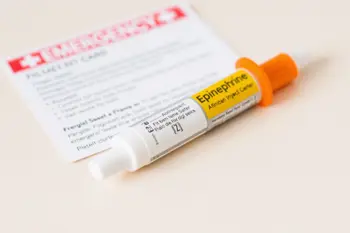
Medical guidelines from organizations such as the World Allergy Organization and the American Academy of Pediatrics confirm that epinephrine, also known as adrenaline, is the absolute first-line treatment for anaphylaxis 2 9 19. Epinephrine works rapidly to reverse life-threatening symptoms by constricting blood vessels to raise blood pressure, relaxing muscles in the lungs to open the airways, and reducing swelling 2. Delaying the administration of epinephrine is the most common factor in fatal food-allergy reactions 2.
It is a dangerous misconception that oral antihistamines or corticosteroids can stop or reverse anaphylaxis 2 9. While antihistamines can alleviate skin itching or runny noses, they cannot reverse airway swelling or correct a life-threatening drop in blood pressure 2. Therefore, antihistamines must never be used as a substitute for epinephrine, and their administration should never delay the use of an epinephrine auto-injector if anaphylaxis is suspected 2 13.
Step-by-Step Emergency Response Protocol
When a severe food allergy reaction is suspected, caregivers and bystanders must act without hesitation. Meeting full diagnostic criteria is not a prerequisite for initiating treatment, as epinephrine should be administered immediately if there is a strong suspicion of exposure accompanied by respiratory or circulatory symptoms 7. The standardized medical first aid sequence consists of five critical steps:
- Position the patient: Lay the person flat on their back with their legs elevated to support blood flow 18. If they are vomiting or having difficulty breathing, allow them to sit up or lie on their side, but avoid letting them stand or walk suddenly 9 18.
- Administer the epinephrine auto-injector: Inject the medication into the outer mid-thigh muscle 9 18. Hold the device firmly in place according to the manufacturer's instructions to ensure the full dose is delivered 20.
- Call emergency services: Immediately dial emergency services (such as 911 in the US or 000 in Australia) and clearly state that the individual is experiencing anaphylaxis 13 22.
- Monitor the individual: Keep the person calm and monitor their breathing continuously 13 24. Prepare to administer cardiopulmonary resuscitation (CPR) if they become unresponsive and stop breathing normally 18.
- Prepare a second dose if needed: Because severe reactions can reoccur or fail to resolve with a single dose, have a second auto-injector ready 2. If symptoms do not improve after 5 minutes, a second dose may be administered 18.
Age-Specific Presentations and Action Plans
Recognizing anaphylaxis in infants and toddlers under the age of three presents unique clinical challenges. Because young children cannot verbally communicate symptoms like throat tightness or dizziness, caregivers must watch for behavioral cues 3. In infants, signs of a severe allergic reaction often present as extreme irritability, inconsolable crying, sudden drooling, or unusual sleepiness 3. In these age groups, medical professionals advise using the standard clinical criteria of rapid multi-system involvement to guide immediate treatment 7.
To manage these risks, families should work with their pediatricians to establish a validated allergy anaphylaxis action plan 1. These plans detail the child's specific triggers, list individualized emergency contacts, and provide clear visual instructions on when to monitor and when to administer epinephrine 1. Keeping copies of this validated plan with school staff, babysitters, and other caregivers ensures a coordinated, fast response in the event of an accidental ingestion 1.
Long-Term Management and Preventive Strategies
Living with a severe food allergy requires rigorous, daily preventive measures to avoid allergen exposure. The foundation of management is strict avoidance of the target allergen, which requires checking ingredient labels on all packaged foods before consumption 6. Consumers should be aware of the priority food allergens that must be clearly declared on packaging under regional food labeling laws, such as milk, eggs, peanuts, tree nuts, fish, shellfish, wheat, and sesame 23.
In addition to strict dietary avoidance, carrying two functional epinephrine auto-injectors at all times is the most critical safety precaution for diagnosed individuals 2. Caregivers must regularly check the expiration dates on these devices and replace them as needed. While emerging clinical treatments, such as oral immunotherapies and biologics, are expanding management options under specialist supervision, emergency preparedness and rapid first aid remain the primary defenses against severe allergic outcomes 6.
Sources
- Asthma and Allergy Foundation of America: https://aafa.org/allergies/allergy-treatments/anaphylaxis-action-plan/
- American College of Allergy, Asthma & Immunology: https://acaai.org/allergies/management-treatment/epinephrine-auto-injector/
- HealthyChildren.org: https://www.healthychildren.org/english/health-issues/injuries-emergencies/pages/anaphylaxis.aspx
- Allergy UK: https://www.allergyuk.org/hcp-resources/recognising-managing-and-treating-severe-allergic-reactions/
- St John Ambulance UK: https://www.sja.org.uk/first-aid-advice/anaphylaxis/
- National Center for Biotechnology Information (NCBI) Bookshelf: https://www.ncbi.nlm.nih.gov/books/NBK482187/
- Medscape Guidelines Summary: https://reference.medscape.com/cc2/p10/aaaai-anaphylaxis-diagnosis-and-management-guideline-2026a1000id7
- NHS Healthier Together: https://www.healthiertogether.nhs.uk/child-under-5-years/anaphylaxis
- World Allergy Organization Journal: https://doi.org/10.1016/j.waojou.2026.101338
- The Journal of Pediatrics Clinical Practice: https://doi.org/10.1016/j.jpedcp.2026.200223
- Online First Aid: https://onlinefirstaid.com/food-allergies-and-anaphylaxis/
- Paediatria Croatica: https://www.journal.paedcro.com/index.php/paedcro/article/view/1139
- CPR First Aid Australia: https://cprfirstaid.com.au/what-is-anaphylaxis-signs-symptoms-and-first-aid-in-australia/
- Pharmacy Magazine UK: https://www.pharmacymagazine.co.uk/learning/food-allergy-diagnosis-and-management
- HealthyChildren.org: https://www.healthychildren.org/english/health-issues/injuries-emergencies/pages/anaphylaxis.aspx?form=HealthyChildren
- WhatAreAllergies: https://whatareallergies.com/food-allergy-emergency/
- Balkan Medical Journal: https://doi.org/10.4274/balkanmedj.galenos.2025.2025-5-86
- Coast2Coast First Aid: https://www.c2cfirstaidaquatics.com/anaphylaxis-first-aid/
- IRFA Australia: https://irfa.au/anaphylaxis-first-aid-treatment/
- Pediatrics Clinical Report: https://doi.org/10.1542/peds.2025-073168
- Asthma and Allergy Foundation of America Press Release: https://aafa.org/new-food-allergy-emergency-care-plan-empowers-self-care-and-reduces-health-care-costs/
- WhatAreAllergies Emergency Guide: https://whatareallergies.com/anaphylaxis-emergency/
- Emergency Medicine Authority: https://emergencymedicineauthority.com/anaphylaxis-emergency-diagnosis-and-treatment
- SnackSafely Guidelines Summary: https://snacksafely.com/2025/12/summary-of-new-guidelines-for-allergic-reactions/
- Emergency Care NY: https://emergencycareny.com/anaphylaxis-first-aid/
- Coast2Coast First Aid (Severe Reactions): https://www.c2cfirstaidaquatics.com/severe-allergic-reaction-first-aid/
- FirstAidPro Australia: https://www.firstaidpro.com.au/blog/allergic-reaction-treatment-essential-first-aid-guide/
- StatPearls Point of Care: https://www.statpearls.uk/point-of-care/21877
- First Aid Course Melbourne: https://thefirstaidcoursemelbourne.com.au/blog/anaphylaxis-a-severe-life-threatening-allergic-reaction-treatment/
- First Aid Pro Adelaide: https://www.firstaidproadelaide.com.au/blog/anaphylaxis-first-aid-5-essential-steps-to-save-a-life-with-an-epipen/
Authored by MyTrendSpot team