Understanding Sleep Apnea: Symptoms, Causes, and Effective Treatments
Facts:
- Over 25 million Americans suffer from undiagnosed sleep apnea.
- Prevalence of obstructive sleep apnea increases with age and obesity.
Decoding Sleep Apnea: A Comprehensive Look at Its Manifestations and Origins
Sleep apnea is a common yet serious sleep disorder where a person repeatedly stops and starts breathing during sleep. This condition can lead to significant health problems if left untreated, impacting quality of life and overall well-being. Understanding sleep apnea symptoms, its underlying sleep apnea causes, and the various sleep apnea treatments is crucial for effective management and improving long-term health outcomes.
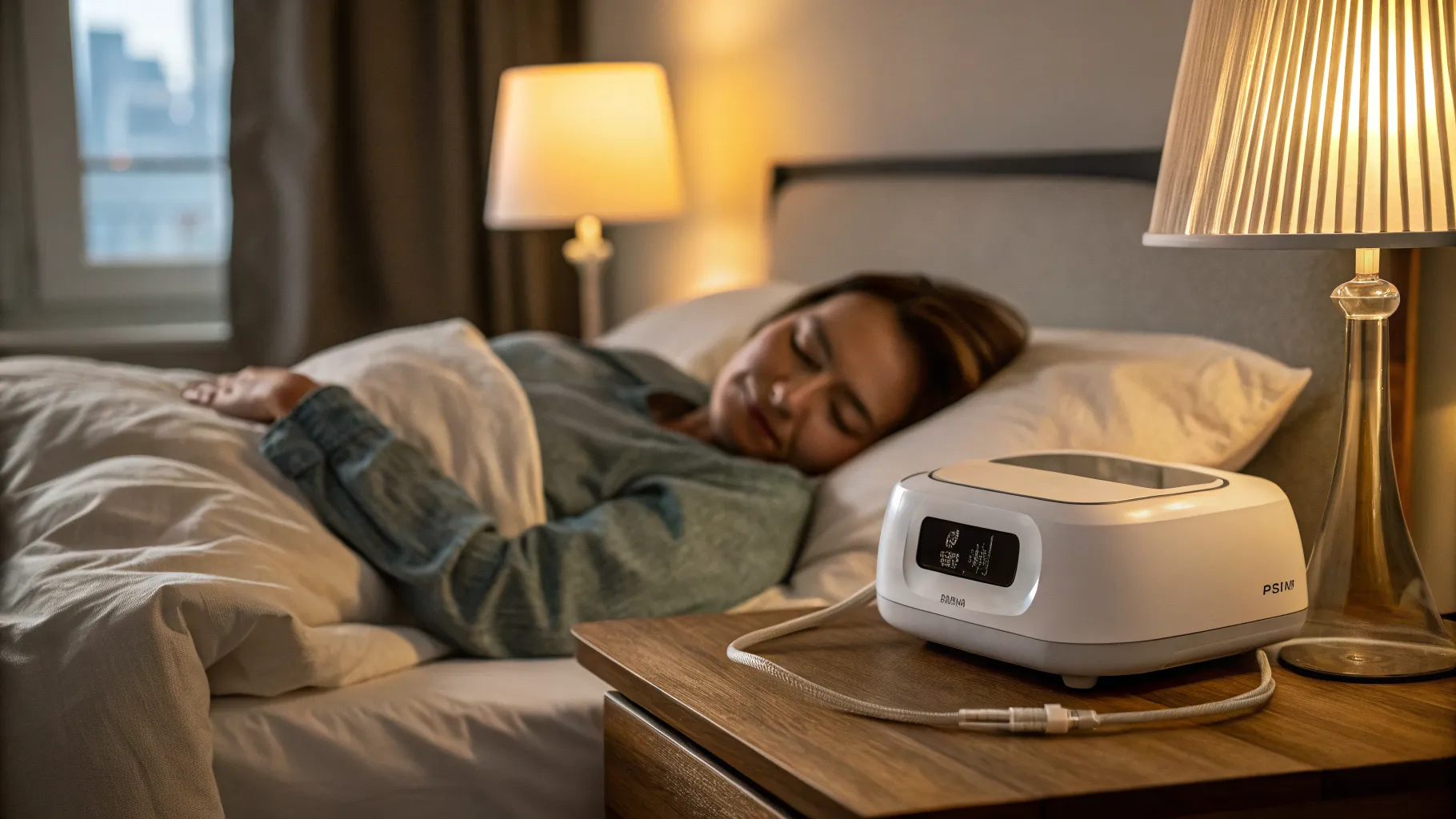
Recognizing the Signs: Common Sleep Apnea Symptoms
Identifying sleep apnea symptoms is the first step towards diagnosis and treatment. While some signs are obvious, others might be subtle and easily dismissed as general fatigue or stress. The most prevalent symptom is loud, chronic snoring, often punctuated by noticeable pauses in breathing.
Snoring and Breathing Pauses
Loud and disruptive snoring is a hallmark indicator of sleep apnea, particularly obstructive sleep apnea (OSA). This snoring is not just a nuisance; it often signifies an airway obstruction. Family members or bed partners frequently report observations of the individual periodically stopping breathing, sometimes for ten seconds or longer, followed by a gasp or choke. These breathing pauses, medically known as apneas, are central to the diagnosis of sleep apnea and occur numerous times throughout the night, severely disrupting sleep architecture.
Daytime Fatigue and Drowsiness
Despite appearing to sleep for adequate hours, individuals with sleep apnea often experience profound daytime fatigue and excessive daytime sleepiness. This is because the constant interruptions in breathing prevent deep, restorative sleep. The fragmented sleep cycles mean the body and brain don't get the necessary rest, leading to an overwhelming urge to sleep during the day, difficulty concentrating, and decreased productivity. This persistent grogginess is one of the most debilitating sleep apnea symptoms and significantly impairs daily functioning.
Morning Headaches and Dry Mouth
Upon waking, many people with sleep apnea complain of morning headaches and a dry mouth. Morning headaches are thought to be caused by reduced oxygen levels during sleep, which can lead to vasodilation of blood vessels in the brain. Dry mouth and sore throat can result from sleeping with an open mouth or from snoring, which dries out the mucous membranes. These seemingly minor symptoms, when persistent, can be key indicators that proper breathing is not occurring overnight, pointing towards potential sleep apnea causes.
Mood Changes and Cognitive Impairment
The chronic sleep deprivation associated with sleep apnea can have significant impacts on mental health and cognitive function. Patients often report irritability, mood swings, depression, and anxiety. Cognitive impairments include difficulty concentrating, memory problems, and a reduced ability to perform complex tasks. These neurocognitive and psychological effects highlight the far-reaching consequences of untreated sleep apnea, extending beyond just physical fatigue to impact mental well-being.
Unpacking the Roots: Key Sleep Apnea Causes
Understanding the various sleep apnea causes is essential for effective diagnosis and tailored treatment plans. Sleep apnea primarily manifests in two forms: Obstructive Sleep Apnea (OSA) and Central Sleep Apnea (CSA), each with distinct underlying mechanisms.
Obstructive Sleep Apnea (OSA) Factors
Obstructive sleep apnea (OSA) is the more common type, occurring when the muscles in the back of your throat relax too much to allow for normal breathing. This causes your airway to narrow or close as you inhale, leading to pauses in breathing. Several factors increase the risk of OSA. Obesity is a primary contributor, as excess weight around the neck can narrow the airway. Other anatomical features like a narrow throat, enlarged tonsils, a deviated septum, or a recessed jaw can also predispose individuals. Alcohol consumption and sedative medications can relax throat muscles, exacerbating the condition. Age is another factor, with older adults being more susceptible, as well as genetic predispositions and certain medical conditions like hypothyroidism.
Central Sleep Apnea (CSA) Factors
Central sleep apnea (CSA) is less common and occurs when your brain fails to send proper signals to the muscles that control breathing. This means there's no effort to breathe for a short period. Unlike OSA, there isn't an obstruction; rather, the problem lies in the brain's respiratory control center. Common sleep apnea causes for CSA include underlying heart conditions such as congestive heart failure, stroke, and kidney failure. Opioid use can also suppress the brain's breathing drive, leading to CSA. High altitude can temporarily induce CSA in some individuals due to changes in oxygen levels and respiratory drive. Diagnosing CSA requires careful evaluation to distinguish it from OSA and address the underlying neurological or medical condition.
Navigating the Solutions: Effective Sleep Apnea Treatments
Fortunately, a range of effective sleep apnea treatments are available to manage the condition and improve quality of life. The choice of treatment often depends on the type and severity of sleep apnea, as well as individual patient factors.
Continuous Positive Airway Pressure (CPAP) Therapy
CPAP therapy is the most common and highly effective treatment for moderate to severe obstructive sleep apnea. A CPAP machine delivers a continuous stream of air through a mask worn over the nose or mouth during sleep. This positive air pressure keeps the airway open, preventing pauses in breathing and snoring. While it requires adherence, CPAP therapy significantly reduces daytime sleepiness, improves sleep quality, and lowers the risk of associated health complications such as hypertension and cardiovascular disease. Regular maintenance and proper fitting of the mask are crucial for comfort and efficacy, making it a cornerstone of sleep apnea treatments.
Oral Appliances and Lifestyle Modifications
For individuals with mild to moderate sleep apnea, or those who cannot tolerate CPAP, oral appliances can be a viable alternative. These custom-fitted devices, resembling mouthguards, work by repositioning the jaw and tongue to keep the airway open during sleep. Additionally, lifestyle modifications play a critical role in managing sleep apnea causes and symptoms. These include weight loss, especially for obese individuals, avoiding alcohol and sedatives before bedtime, sleeping on your side rather than your back, and quitting smoking. Regular exercise and maintaining a healthy diet also contribute to overall respiratory health and can alleviate sleep apnea symptoms.
Surgical Interventions
In certain cases where other sleep apnea treatments have been unsuccessful or are not suitable, surgical options may be considered. Surgical procedures aim to remove excess tissue or enlarge the airway. Examples include uvulopalatopharyngoplasty (UPPP), which removes tissue from the back of the throat and palate, or genioglossus advancement, which repositions a part of the tongue. Maxillomandibular advancement surgery is a more extensive procedure that moves the jaw forward. Newer, less invasive options like hypoglossal nerve stimulation, which uses an implantable device to stimulate the tongue muscle, are also available for select patients. Surgical treatments are generally considered after a thorough evaluation and discussion of potential risks and benefits.
Comparing Treatment Options: CPAP vs. Alternatives
Choosing the right approach among the various sleep apnea treatments involves weighing factors like effectiveness, comfort, and patient compliance. CPAP therapy is widely recognized as the gold standard for its superior effectiveness in maintaining an open airway and normalizing oxygen levels, particularly for moderate to severe obstructive sleep apnea. Its primary challenge lies in patient adherence due to comfort issues with the mask or pressure. Oral appliances offer a less intrusive option and are often preferred by patients with mild to moderate sleep apnea who find CPAP difficult to use. While generally less effective than CPAP for severe cases, their ease of use often leads to higher compliance rates. Lifestyle changes are foundational and should be integrated with any other treatment, but rarely suffice as a standalone solution for significant sleep apnea. Surgical options, while potentially curative for specific anatomical issues, carry surgical risks and recovery times, making them a last resort after other non-invasive sleep apnea treatments have been explored.
Proactive Steps for Better Sleep Health
- Maintain a Healthy Weight: Reducing overall body fat, particularly around the neck, can significantly lessen the severity of obstructive sleep apnea.
- Avoid Alcohol and Sedatives: These substances relax throat muscles and can worsen sleep apnea symptoms; aim to avoid them, especially before bed.
- Adopt Side Sleeping: Sleeping on your back can cause your tongue and soft palate to collapse, obstructing the airway. Side sleeping can alleviate this.
- Quit Smoking: Smoking can increase inflammation and fluid retention in the throat, contributing to airway narrowing and exacerbating sleep apnea causes.
- Regular Exercise: Even moderate physical activity can improve muscle tone, including those in the airway, and aid in weight management, supporting overall sleep health and potentially reducing the need for intensive CPAP therapy.
- Address Nasal Congestion: If you have chronic nasal congestion, treating it can help improve airflow and reduce snoring, which can be a component of sleep apnea.
Frequently Asked Questions
What are the most common sleep apnea symptoms?
The most common symptoms of sleep apnea include loud and chronic snoring, pauses in breathing during sleep, gasping or choking for air, excessive daytime sleepiness, morning headaches, dry mouth, irritability, and difficulty concentrating. Observing these signs, especially from a bed partner, is crucial for early detection.
How is sleep apnea diagnosed?
Sleep apnea is typically diagnosed through a sleep study, known as polysomnography. This can be conducted either in a sleep lab or, for some cases, at home. The study monitors various physiological parameters during sleep, such as brain activity, eye movements, heart rate, oxygen levels, and breathing patterns, to identify apneas and hypopneas.
Can lifestyle changes cure sleep apnea?
For mild cases, significant lifestyle changes such as weight loss, avoiding alcohol and sedatives, and changing sleep positions can substantially improve or even resolve sleep apnea symptoms. However, for moderate to severe cases, lifestyle changes are usually supplementary to medical sleep apnea treatments like CPAP therapy or oral appliances.
Is CPAP therapy the only treatment for sleep apnea?
No, CPAP therapy is the most common and effective treatment for moderate to severe obstructive sleep apnea, but it is not the only option. Other sleep apnea treatments include oral appliances, positional therapy, lifestyle modifications, and in some specific cases, surgical interventions. The best treatment depends on the individual's condition and severity.
What are the long-term risks of untreated sleep apnea?
Untreated sleep apnea can lead to serious long-term health complications, including high blood pressure, heart attack, stroke, irregular heartbeats (arrhythmias), diabetes, chronic fatigue, and increased risk of accidents due to daytime sleepiness. Early diagnosis and consistent adherence to sleep apnea treatments are vital to mitigate these risks.
References
- American Academy of Sleep Medicine Guidelines
- National Heart, Lung, and Blood Institute research on sleep disorders
- World Health Organization reports on chronic diseases
- Clinical studies on Continuous Positive Airway Pressure (CPAP) efficacy
- Reviews on oral appliance therapy for sleep-disordered breathing
Authored by MyTrendSpot team