Understanding Anemia: Key Signs and Effective Treatments
Anemia affects millions of people worldwide, making it one of the most prevalent blood disorders. It occurs when your blood lacks enough healthy red blood cells, which are responsible for carrying oxygen from your lungs to the rest of your body. When you have anemia, your body does not get enough oxygen, which can lead to a range of symptoms and affect overall health.
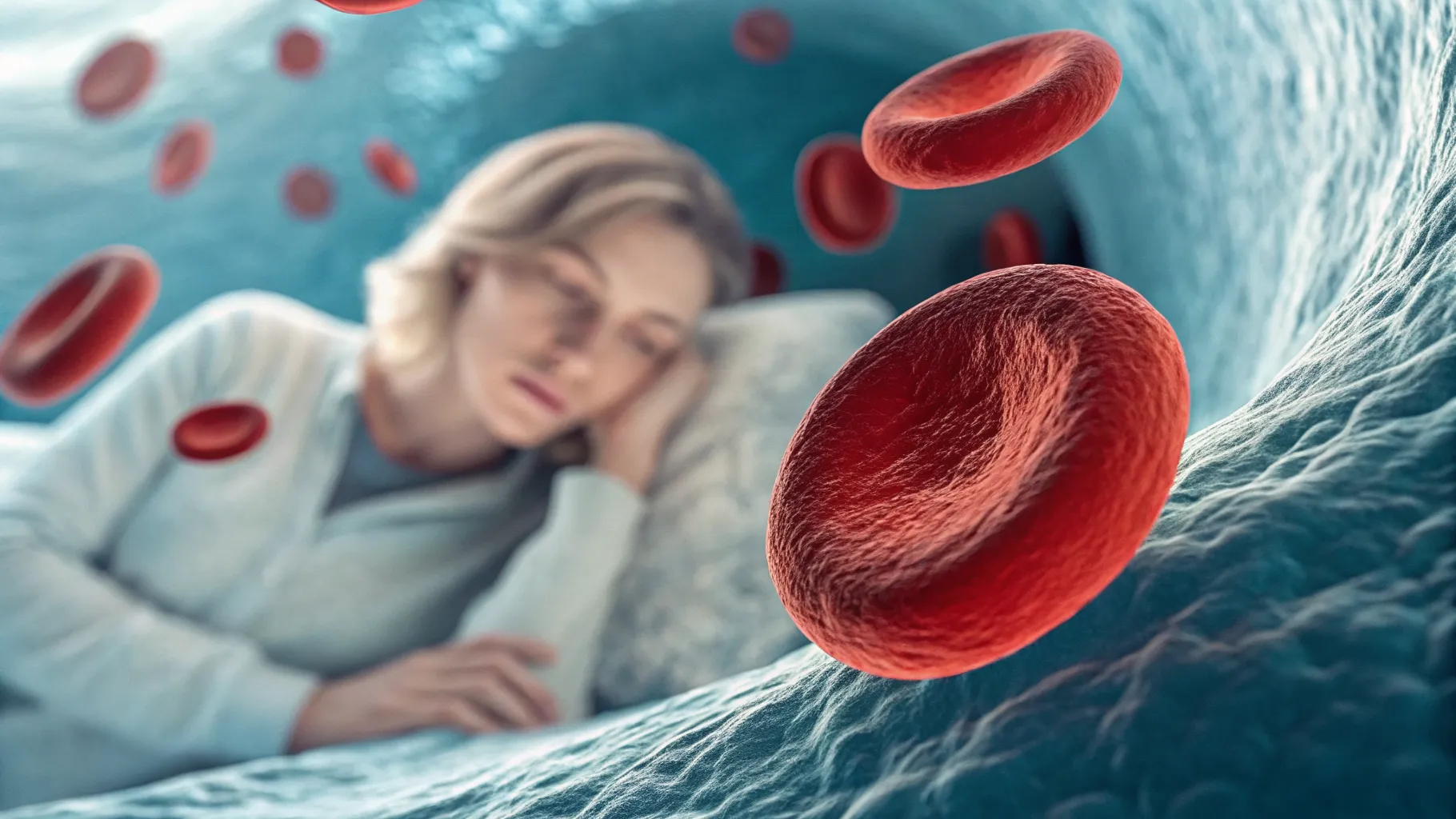
What is Anemia? An Overview
Anemia is not a single disease but rather a condition that can result from various underlying factors. Essentially, it means your blood has a lower than normal count of red blood cells or a lower than normal amount of hemoglobin within those cells. Hemoglobin is the iron-rich protein in red blood cells that binds oxygen, allowing it to be transported efficiently.
The primary role of red blood cells is vital for cellular function and energy production throughout the body. When their number or oxygen-carrying capacity is diminished, tissues and organs may not receive adequate oxygen, leading to the characteristic symptoms associated with anemia.
Recognizing the Common Signs and Symptoms
The signs and symptoms of anemia can vary widely depending on its severity, the type of anemia, and the individual's overall health. Many people with mild anemia might not even realize they have it, as symptoms can be subtle and develop gradually over time.
However, as anemia progresses or becomes more severe, certain indicators tend to become more pronounced. It is important to pay attention to these signals, as they are your body's way of indicating an imbalance. Common symptoms include:
- Feeling unusually tired and weak (fatigue)
- Pale or yellowish skin
- Irregular heartbeats (palpitations)
- Shortness of breath, especially during exertion
- Dizziness or lightheadedness
- Cold hands and feet
- Headaches
- Brittle nails
- Inflammation or soreness of the tongue
Understanding Different Types of Anemia
Anemia can stem from a variety of causes, and identifying the specific type is crucial for effective treatment. Each type is characterized by a different underlying mechanism that leads to a reduction in healthy red blood cells or hemoglobin levels.
Some of the more common types include:
- Iron-Deficiency Anemia: This is the most common type and occurs when the body lacks sufficient iron to produce hemoglobin. Causes include blood loss, poor iron absorption, or inadequate iron intake through diet.
- Vitamin-Deficiency Anemia: This can result from low levels of vitamin B-12 or folate, both essential for red blood cell production. Pernicious anemia, a type of B-12 deficiency, is caused by an inability to absorb vitamin B-12.
- Anemia of Chronic Disease: Certain chronic conditions, such as cancer, kidney disease, Crohn's disease, or other inflammatory diseases, can interfere with red blood cell production.
- Aplastic Anemia: A rare but serious condition where the body stops producing enough new blood cells.
- Hemolytic Anemia: Occurs when red blood cells are destroyed faster than the bone marrow can replace them.
Diagnosing Anemia: The Medical Process
Diagnosing anemia typically begins with a physical examination and a review of your medical history and symptoms. Your doctor will likely order several blood tests to confirm the diagnosis and determine the type and cause of anemia. These tests provide vital information about your blood components.
The most common diagnostic test is a complete blood count (CBC), which measures various components of your blood, including:
- Hemoglobin and Hematocrit: These measure the amount of hemoglobin in your blood and the percentage of your blood made up of red blood cells. Low levels indicate anemia.
- Red Blood Cell Count: Determines the total number of red blood cells.
- Mean Corpuscular Volume (MCV): Measures the average size of your red blood cells. This can help identify the type of anemia, as some types are associated with smaller cells (e.g., iron-deficiency) and others with larger cells (e.g., vitamin B-12 deficiency).
- Ferritin Levels: Measures the amount of iron stored in your body, providing insight into iron-deficiency anemia.
General Treatment Approaches for Anemia
The treatment for anemia depends entirely on its underlying cause and severity. It is crucial to address the root problem rather than just the symptoms. A doctor will tailor a treatment plan based on the diagnostic findings.
For instance, iron-deficiency anemia is often treated with iron supplements and dietary changes to increase iron intake. If the deficiency is severe or due to malabsorption, intravenous iron might be considered. Vitamin-deficiency anemias are typically managed with supplements of vitamin B-12 or folate, often initially through injections for B-12 deficiency.
Anemia caused by chronic diseases may improve with the treatment of the primary condition. In more severe cases, or for certain types of anemia like aplastic or hemolytic anemia, treatments can include medications to suppress the immune system, blood transfusions, or even bone marrow transplants. Regular monitoring of blood levels is an important part of any treatment plan to ensure its effectiveness.
Dietary Considerations for Anemia Management
Diet plays a significant role in preventing and managing certain types of anemia, particularly those related to nutritional deficiencies. Including foods rich in iron, vitamin B-12, and folate can help support healthy red blood cell production.
For iron intake, consider incorporating lean red meat, poultry, fish, beans, lentils, fortified cereals, spinach, and other dark leafy greens into your diet. Combining iron-rich foods with sources of vitamin C, such as citrus fruits or bell peppers, can enhance iron absorption. For vitamin B-12, good sources include meat, dairy products, eggs, and fortified plant-based milks or cereals. Folate can be found in leafy green vegetables, fruits, nuts, beans, and fortified grains.
When to Seek Medical Advice
If you experience persistent fatigue, unexplained paleness, shortness of breath, or any other symptoms that suggest anemia, it is important to consult a healthcare professional. Early diagnosis and treatment can prevent the condition from worsening and address any underlying health issues. Self-diagnosing and self-treating anemia can be risky, as the symptoms can overlap with other medical conditions, and incorrect treatment could be ineffective or even harmful.
A doctor can accurately diagnose the type of anemia, determine its cause, and recommend the most appropriate course of action, ensuring you receive the care needed to improve your health and well-being.
Authored by MyTrendSpot team